
FPT and the Niels Bohr Institute outline a quantum talent exchange
The Vietnam–Denmark agreement proposes research links and exchanges. Access to equipment and sustained supervision will determine what participants can actually learn.
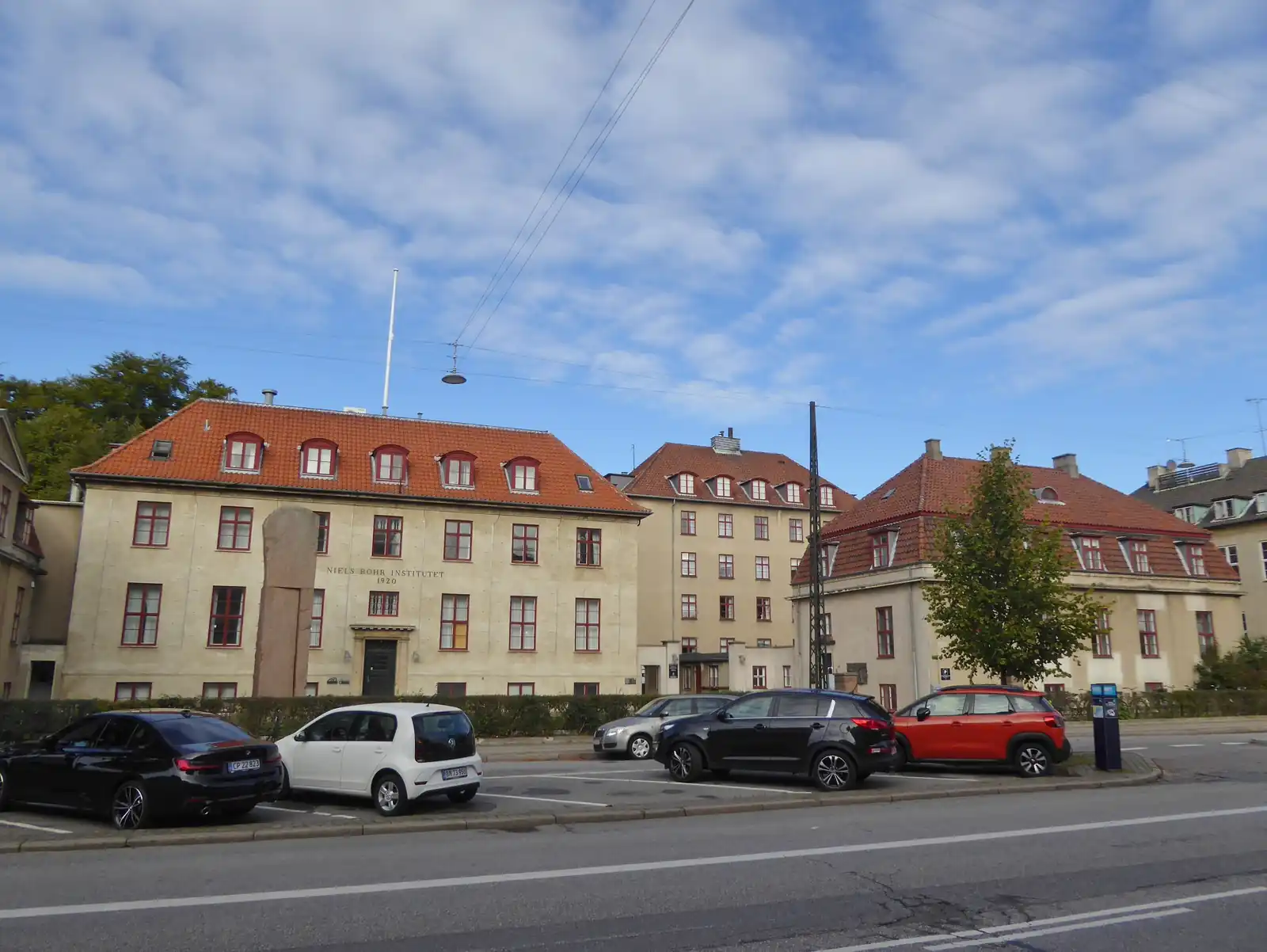

FPT and the University of Copenhagen’s Niels Bohr Institute have outlined a collaboration on quantum research and training. FPT’s October 21 announcement says the memorandum was exchanged a day earlier at the Vietnam–Denmark Business Forum. It proposes links between Vietnamese talent development and the Danish institute’s research environment.[1]
The areas described include joint projects, exchanges involving doctoral researchers, faculty and technical experts, and workshops. These are intended activities under a memorandum. The announcement does not establish an enrolled cohort, a completed exchange, an open application deadline or new research results. Prospective participants still need a specific program before they can judge eligibility and practical arrangements.[1]
The distinction matters because quantum training includes work that cannot be assessed by counting agreements. A student may need supervised laboratory time, access to a particular instrument, or practice diagnosing an experiment. QubitWire’s assessment is that a useful partnership update should explain which of those opportunities becomes available and who can use it.
UNESCO’s separate global quantum report supplies background to that question. Its survey involved 590 experts in 81 countries and reported that about one in three respondents lacked access to quantum research facilities. The accompanying article was originally published on May 5; its October update does not make the underlying finding new October research.[2]
That survey does not measure the FPT–Niels Bohr agreement or predict its success. It helps explain why access should be an explicit part of a talent program. A workshop, a short visit and a sustained placement can all be useful, but they provide different opportunities to acquire and demonstrate technical skills.
The next concrete information would be named research topics, supervisors, participant selection, equipment access and support for the visit. Follow-up reporting could then show what participants built or measured. For now, the memorandum creates a framework for cooperation; its educational value will emerge through the work that follows.