
A €12 million bet on the work of running quantum computers
QuantrolOx's funding backs automation and practical training. The useful test is how much dependable laboratory work those tools deliver.
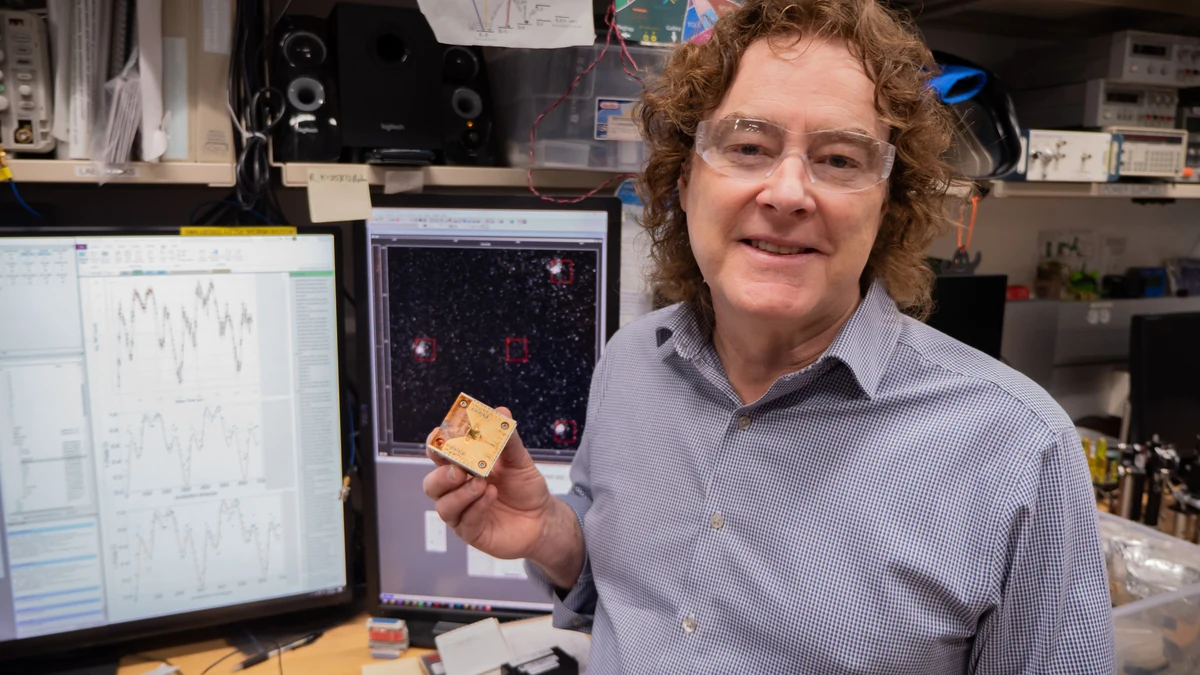
A quantum processor needs an operating routine as well as a chip. Settings have to be checked, experiments organized and results made understandable to the next person in the laboratory. QuantrolOx's latest funding round backs that daily work: the software and training around a quantum computer.
In an October 26 announcement, QuantrolOx said it raised €12 million in a Series A2 round led by IW Capital with co-investment from the European Innovation Council Fund. The company plans to expand product deployments, training and its US team. This is a financing event with a stated growth plan, rather than a new processor-performance result.[1]
The work between switching on and getting an answer
Calibration means finding and checking the settings that make an intended operation behave as expected. For a newcomer, it helps to think of preparing a scientific instrument for a particular measurement. The useful output is a trustworthy experiment, with enough information to understand how its settings were chosen.
QuantrolOx describes Quantum EDGE as a platform for measurements, automation and experiment data. A laboratory component connects to instruments, while a software development kit lets users create experiments in Python. The company lists integrations with Qblox, Quantum Machines and Zurich Instruments. Those are documented supplier capabilities; they do not establish compatibility with every configuration a laboratory might assemble.[2]
A faster tuning routine can help, but the comparison needs to include the work that follows. Imagine one team finishing calibration quickly and later discovering that a configuration change invalidated its measurements. A second team spends longer checking the setup and obtains reproducible results. Timing only the calibration routine would miss the difference in completed experimental work.
That is why an operating assessment should count accepted experiments, failed runs and operator interventions alongside elapsed time. The acceptance threshold needs to be defined before the comparison. These are proposed evaluation measures. The financing announcement does not supply an independently audited improvement against such a baseline.
Teaching the judgment behind the workflow
Quantum EDGE Academy addresses another part of the workflow: learning what to measure and how to interpret it. The company says students work with simulated hardware through practical courses and concept lessons. The current curriculum includes anatomy of the computer, first measurements and finding a . Several later modules remain marked coming soon.[3]
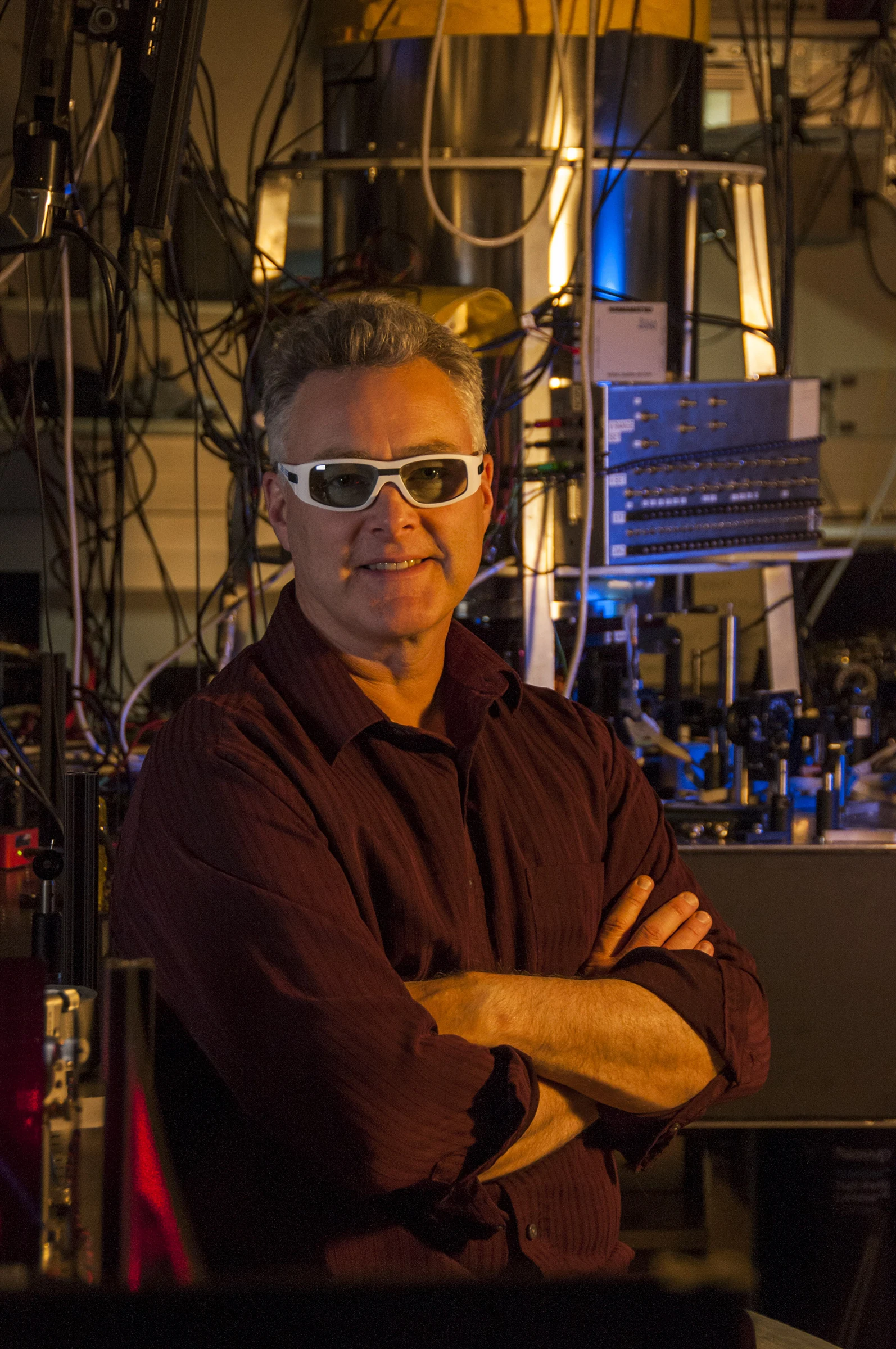

A simulated laboratory can let a student repeat an experiment without waiting for a physical instrument. The educational test is whether that practice transfers. Can the learner spot a failed calibration, explain an unexpected trace and choose the next measurement on an unfamiliar setup? A completed tutorial and demonstrated diagnostic skill answer different questions.
VIDYAQAR is a separate integrated superconducting-system offering for education and research. Its recommended configuration combines cryogenics, controls, a quantum processor and Quantum EDGE software. That provides physical hardware access, while Academy provides simulated practice. Institutions should examine which parts of each offering meet their teaching or experimental needs.[5]
Automation and training can support each other when the relevant decisions remain visible. A student needs to inspect the observations behind a result. An experienced operator needs a record that a colleague can reconstruct later. Useful automation should reduce repetitive work while preserving the information required to investigate a failure.
What would show progress after the funding?
The software already has deployment history. QuantrolOx announced an installation at the UK's National Quantum Computing Centre on September 24, 2025. That is context for the business receiving this investment; it is not a new 2026 installation or a measurement of what the latest funding has achieved.[4]
Follow-up reporting should connect the tools to ordinary laboratory outcomes: how much accepted work gets completed, how often someone must intervene and how performance changes after a hardware or software update. Including difficult days would make the comparison more useful than a best-case demonstration. Training should be assessed separately through transferable skills.
The commercial question is whether those improvements justify the cost of adopting and maintaining the workflow. A laboratory might value faster experiments, more consistent records or easier staff onboarding. QuantrolOx's investment can fund work on all three. The evidence to watch is what changes for the people operating the machines.