A Quantum Protein Simulation Reaches the Gordon Bell Finals
The 12,635-atom system included a protein, its binding molecule and water. Updated September results show how quantum processors and supercomputers shared the work.
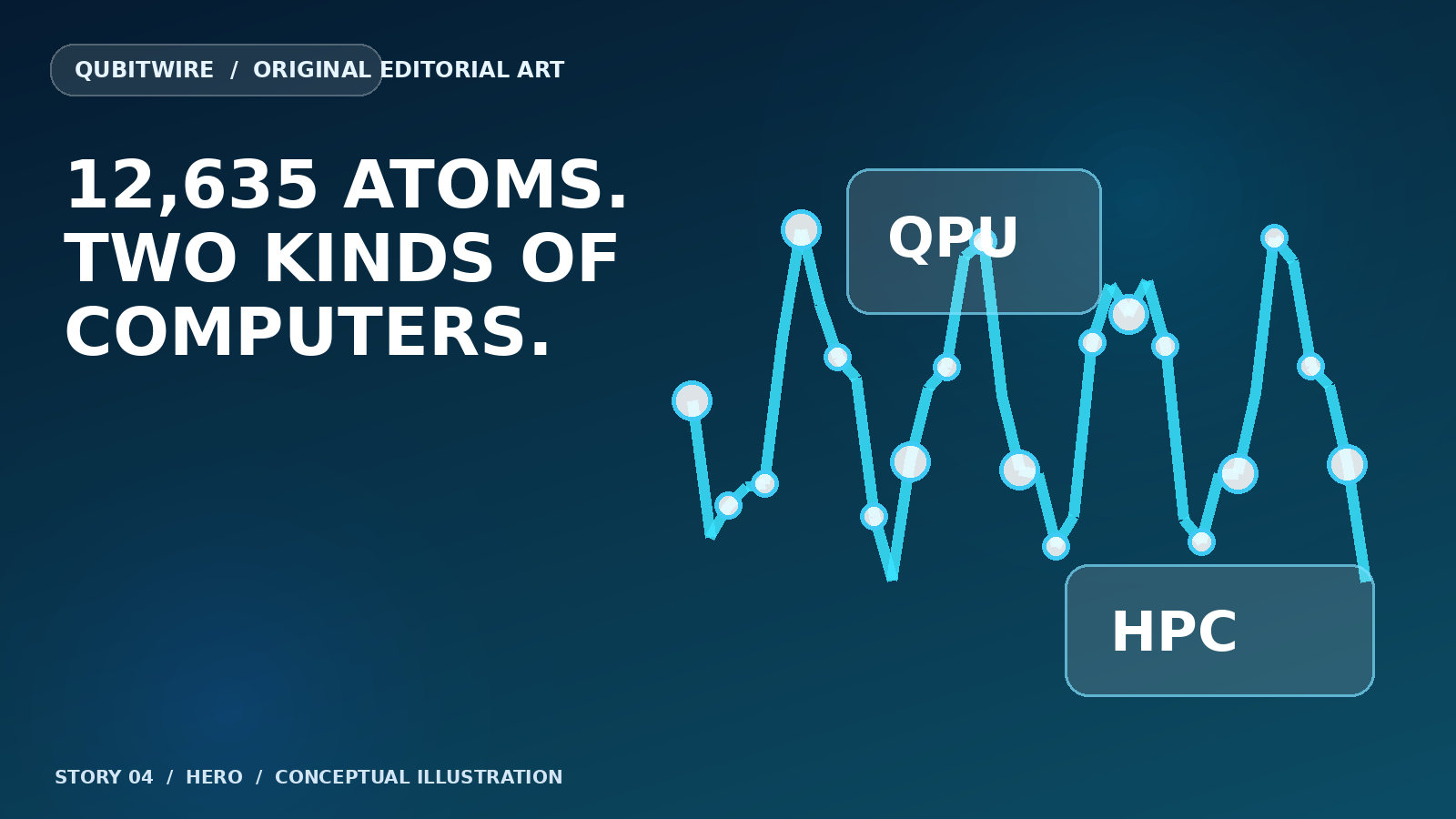

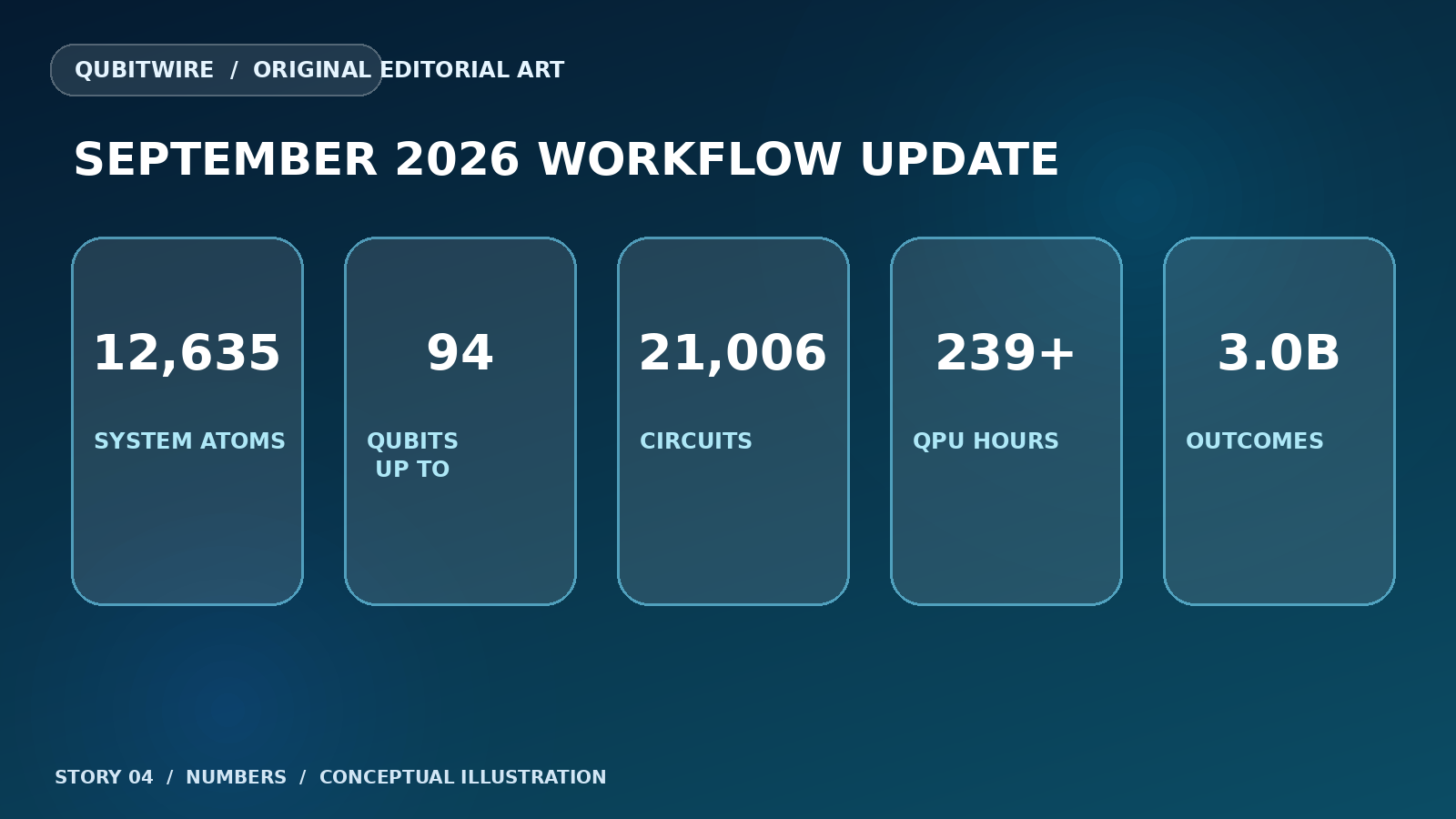
A quantum-assisted protein simulation has reached the finals of a major supercomputing prize. Cleveland Clinic, RIKEN and IBM announced their 2026 ACM Gordon Bell finalist status on September 9, following updated research that modeled a 12,635-atom system. That count includes a protein, a molecule bound to it and surrounding water—not a protein sitting alone on a quantum chip.[1][3]
The machines divided the job. Conventional computers split the molecular problem into fragments. Quantum processors sampled selected difficult pieces using up to 94 , the units that hold quantum information. The September preprint reports 21,006 circuits, more than 239 hours of quantum execution and 3.0 billion measurement outcomes, updating the smaller totals announced in May.[1]

Supercomputers Fugaku, Miyabi-G and ROQUO processed those samples and helped reconstruct the molecular calculation. The September update also reports improved estimates of binding energy: how tightly a protein and its partner hold together. That matters for understanding how molecules interact, including questions relevant to future drug research.[1][3]
The limits remain important. This is a hybrid research workflow, not a drug discovery or evidence that quantum hardware has beaten the best conventional methods. IBM’s May technical account explicitly said the method did not yet outperform the best classical approaches. Finalist is not winner either: the prize announcement is due in November.[2][3]
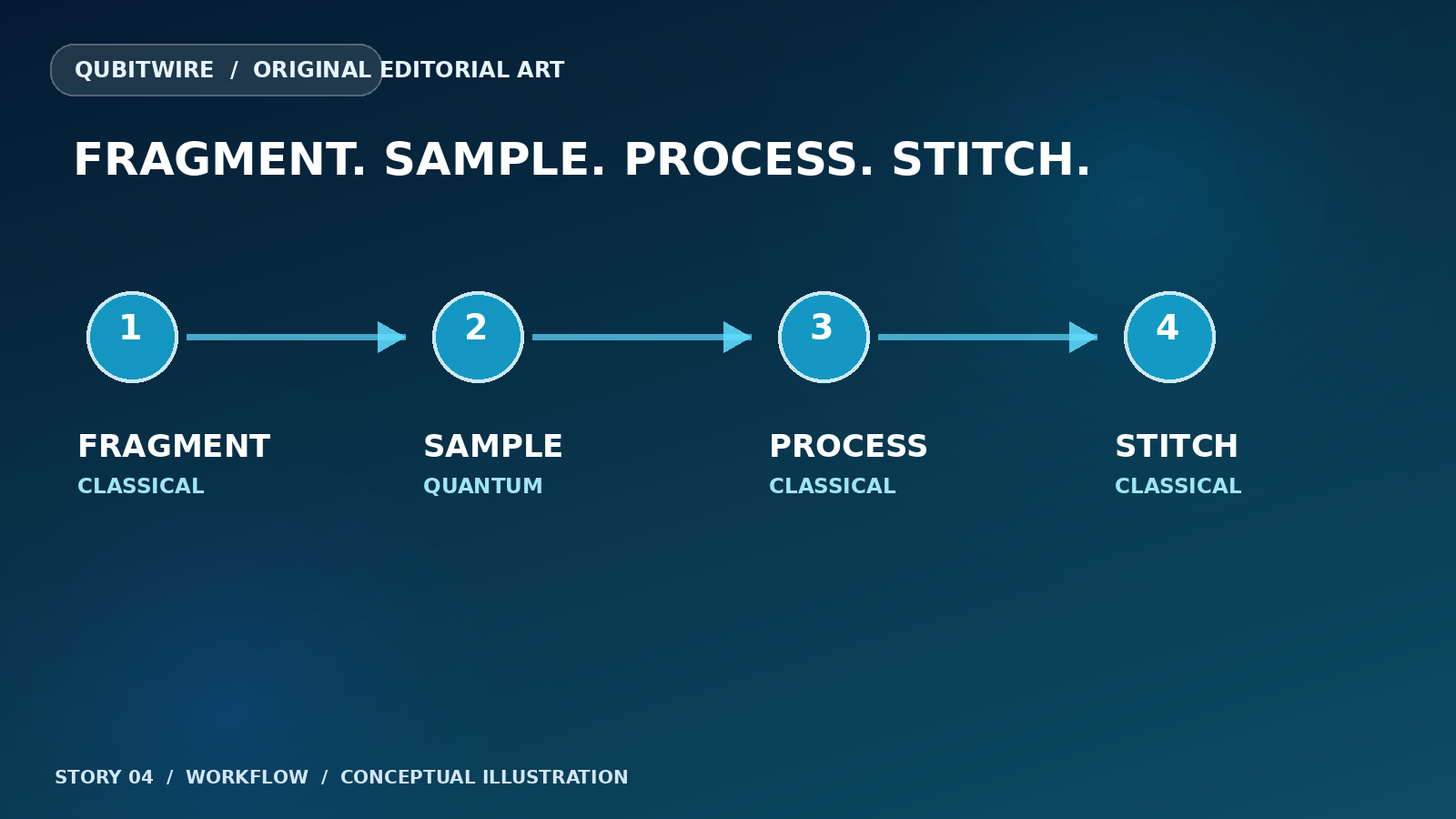

The useful lesson is the division of labor. Quantum hardware did not replace the supercomputer. It contributed to a larger scientific calculation, while conventional machines handled much of the work around it. The next test is whether that partnership can deliver a measurable advantage as the methods and hardware improve.[1][3]