
Formula 1 Wants Quantum Computing. Here’s the Real Test.
Alpine’s new simulation project is an intriguing engineering experiment, not a proven shortcut to faster laps.
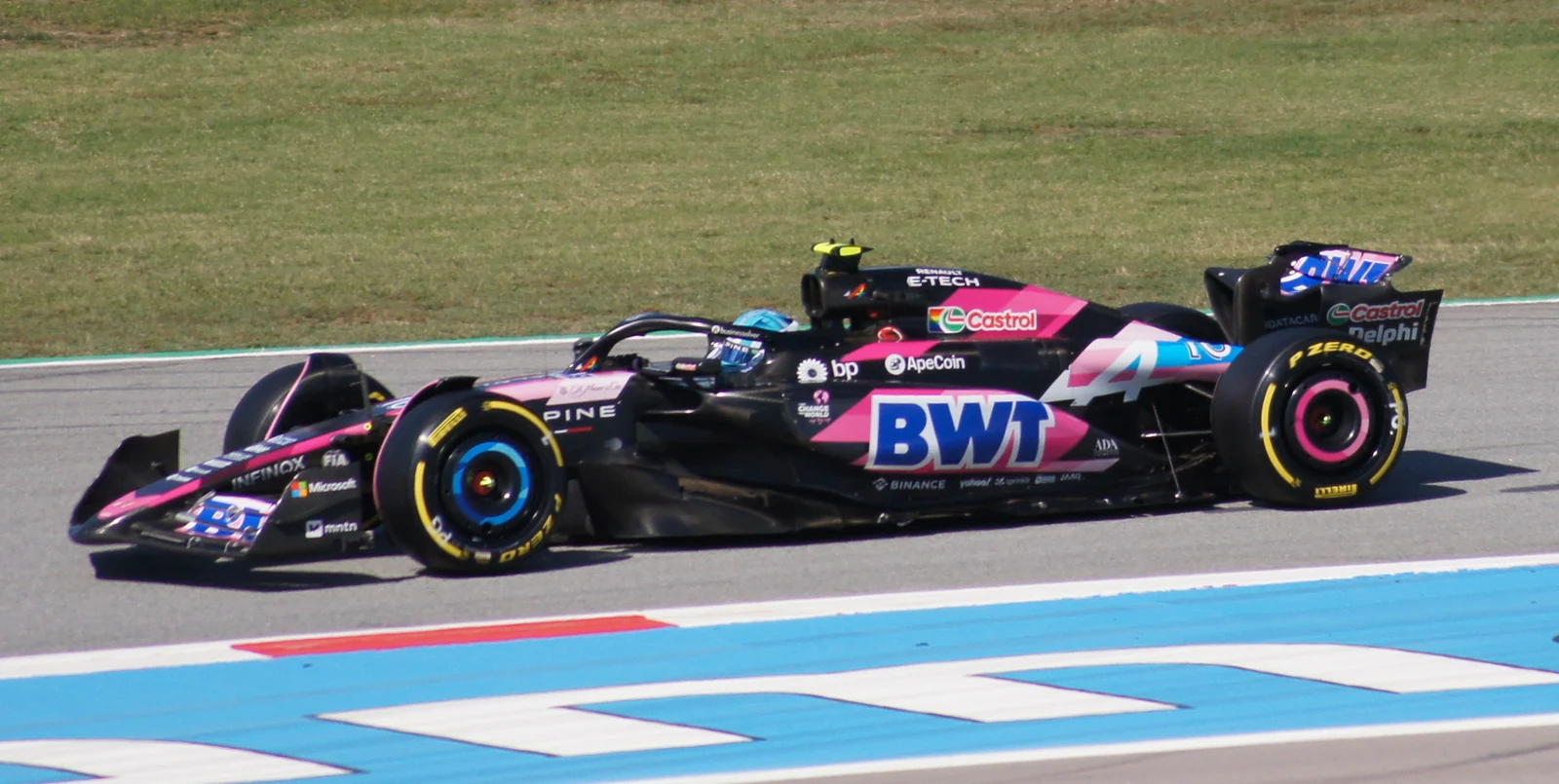
.jpg)
The next quantum-computing test worth watching may have less to do with a spectacular chip announcement and more to do with the shape of a Formula 1 car.
On September 10, Alpine and SEALSQ announced an expanded collaboration involving ColibriTD. The aim is to explore hybrid quantum-classical simulation for engineering problems including airflow, heat and structural behaviour. The partners say they established an initial roadmap in July, with a proof of concept as the goal.[1]
What could quantum add?
The proposed approach would work alongside classical computing, not replace it. Think of the project as a test of a new tool inside an existing engineering process. The interesting output would be a more useful answer to a real design question, not simply evidence that a quantum processor was involved.[1]
For readers, that suggests a straightforward scorecard: What problem was tested? What was the strongest classical comparison? Did the new workflow improve accuracy, time or cost once all the surrounding work was included?
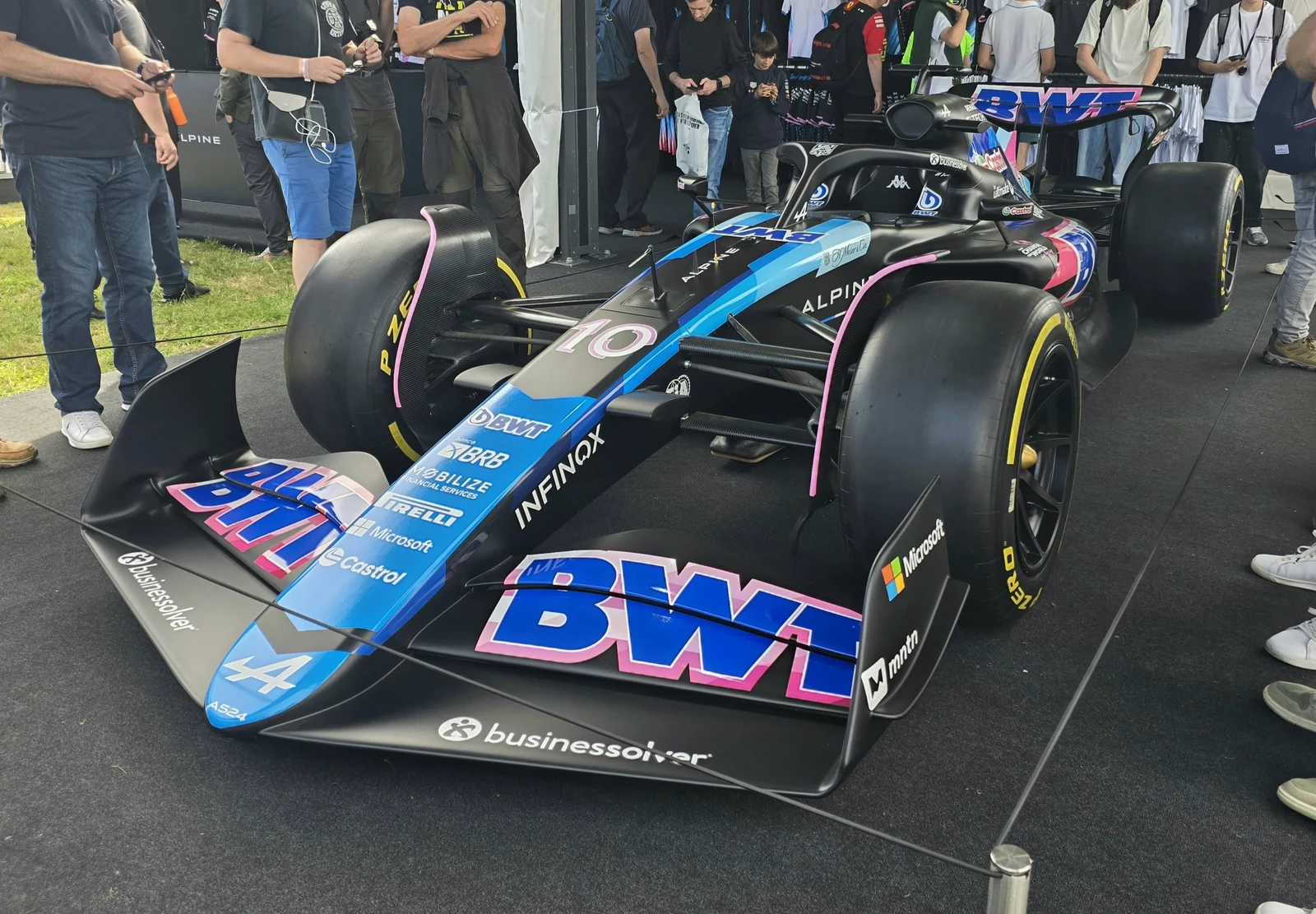

The lap-time claim is still missing
The announcement does not establish that quantum computing has made an Alpine car faster. It describes a planned evaluation, not a published end-to-end benchmark demonstrating an advantage over the best conventional method.[1]
That distinction makes the story more interesting, not less. It moves the conversation away from whether quantum sounds futuristic and towards what an engineering team could actually use. The result to watch is not another partnership headline. It is a measurable improvement that survives a fair comparison. Until then, this is a promising question with a race team attached, not a quantum victory on the track.