
A quantum computer beat random guesses on a car recall puzzle. It rarely found the best answer.
Calaa Lab used U.S. recall records to test a 12-qubit algorithm. Across 10,000 attempts, IBM’s machine found the best split just three times.
Reading tools for text size, copying, printing and your reading list
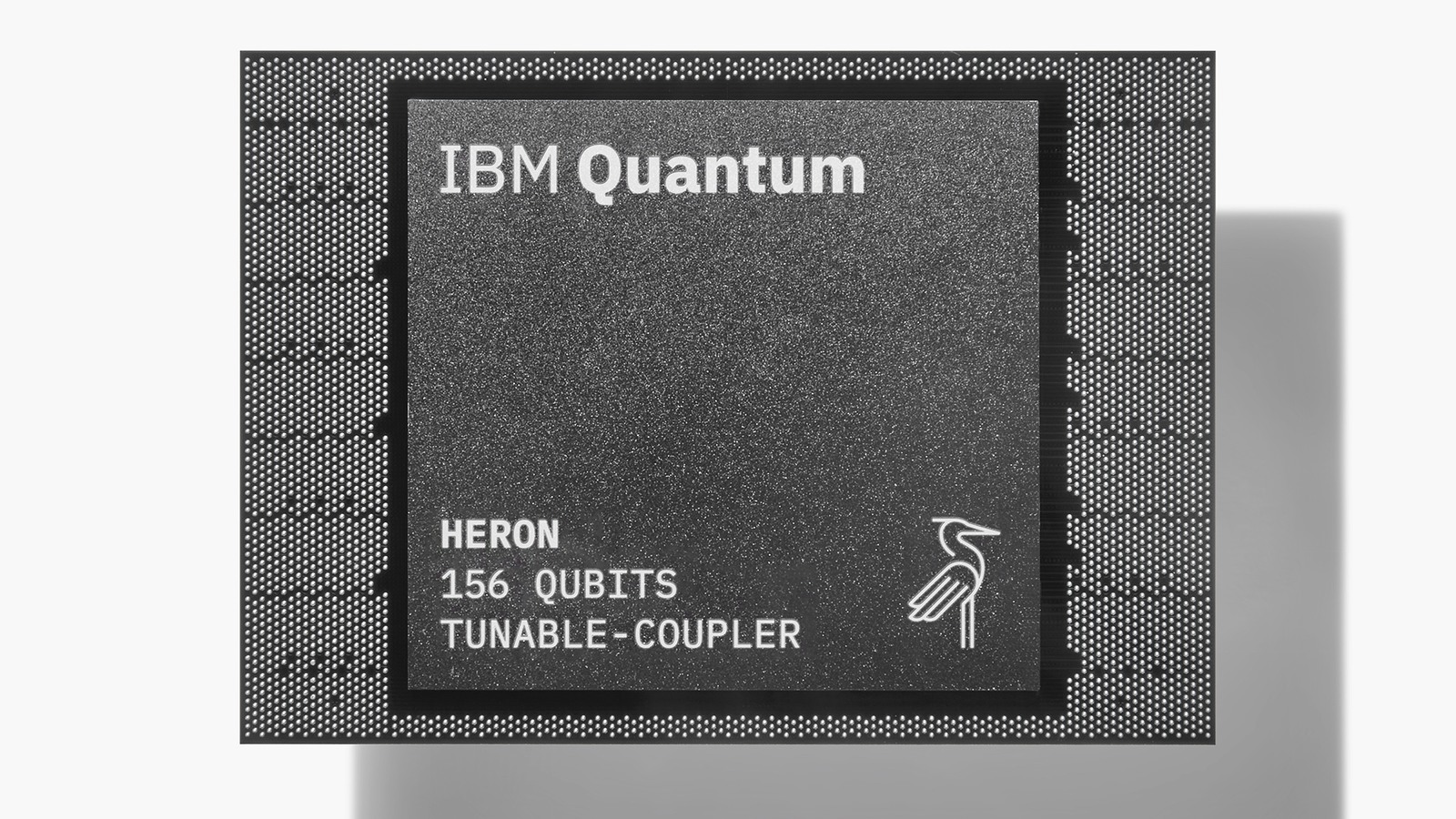
A quantum computer can score better than random guessing and still do a poor job of finding the best answer. In a November 25 test, automotive research group Calaa Lab gave an IBM machine a puzzle built from a decade of U.S. car recall reports. Its answers scored better than random guesses on average. But in 10,000 attempts, it returned the best split just three times. An ordinary computer could check every possible assignment.[1][2]
How a car recall becomes a puzzle
The team used federal recall records from 2015 through 2024 to build profiles of the outside suppliers named in filings for 12 automotive groups. Think of each group as a dot, linked to the others by lines. In Calaa’s model, the less similar two groups’ supplier profiles were, the more weight their line carried. The challenge was to split the dots into two camps so that the lines crossing between camps had the greatest total weight. It is a textbook optimization problem, known as Max-Cut, with input drawn from actual public records. It does not rank carmakers by safety or predict whether a particular vehicle will be recalled.[1][3]
With 12 groups, there are 4,096 ways to assign each group to one side or the other, including mirror versions that simply swap the names of the two sides. Calaa used a conventional computer to score them and establish the best result, 20.37, along with the average for a random pick, 16.84. It tuned its quantum circuit on a conventional simulator, then sampled answers on IBM’s Heron r2 processor without correcting for noise. The hardware averaged 17.74, about 87% of the best possible score.[1][4]
A better average is not a better winner
The average and the three exact hits answer different questions. If mostly weak guesses become decent ones, the average rises even if the winning answer gets harder to find. The November 25 run had a mean score close to earlier runs on the same puzzle, yet the earlier reports record 16 to 18 exact hits per 10,000 attempts. The new run’s three hits are too few to conclude that the machine will consistently trail random selection at finding the optimum. They are enough to show why an average score does not tell a user how many attempts it took to get the answer they wanted.[1][2]
Calaa says it plans another round of tests. A useful comparison would show whether the exact answer comes back more reliably across repeated runs and whether the extra work to fix errors pays off against a good conventional method. This test does not show a quantum speed advantage or a better method for investigating recalls. What it does show is how easily a respectable score can hide what happened to the one answer that mattered.[1][2]