
A quantum algorithm needs a resource budget before it needs a machine
Classiq’s Fault Tolerance Engine translates logical circuits into surface-code plans. The estimates depend on the hardware and error assumptions supplied.
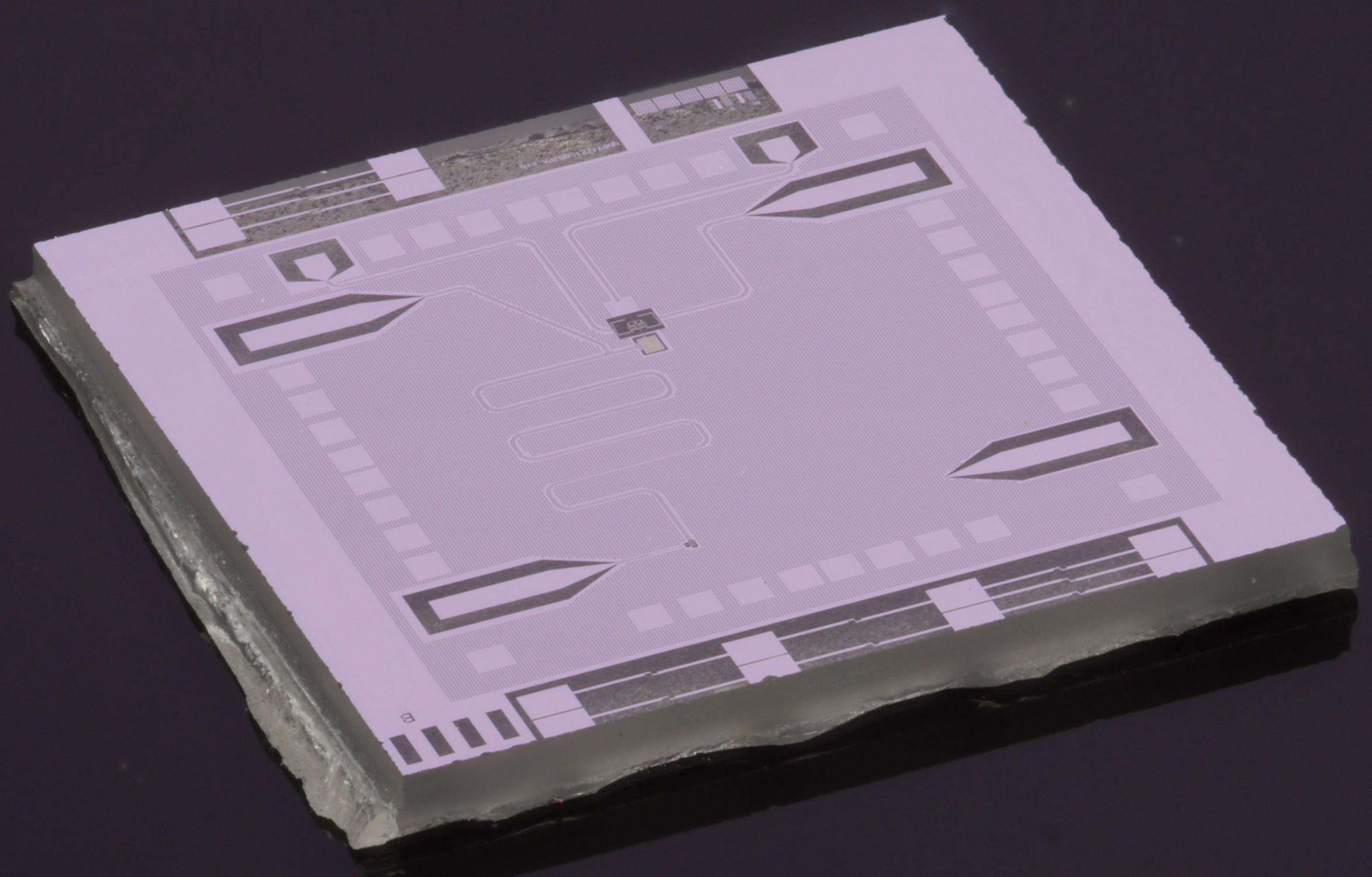
A quantum algorithm can be mathematically sound and still demand an impractical machine. Classiq’s Fault Tolerance Engine, announced with a September 30 dateline, addresses that planning gap. The company describes software that connects an application’s logical circuit to estimates of physical resources, execution time and error under a chosen architecture.[1]
Its documentation describes a workflow that applies a noise model, routes the circuit into a surface-code layout and evaluates the resulting plan. occupy protected patches; operations can merge or split those patches through lattice surgery. A three-dimensional visualization combines two spatial dimensions with time. It is a schedule, rather than a proposal for a three-dimensional chip.[2][3]
This changes the question a resource estimate can answer. Counting logical qubits describes how much protected information an algorithm needs. A layout and schedule also ask where operations happen and how long the supporting work takes. The company includes the resources needed for special operations such as magic-state preparation in its planning story.[1][2]
Consider a hypothetical plan that saves by making several operations wait for the same resource. Its smaller footprint could be attractive, but the longer execution might be unacceptable. Another plan might spend more hardware to finish sooner. Comparing those alternatives requires a common target accuracy and the same assumptions about the device.
A useful published estimate should therefore travel with its inputs: the circuit version, hardware constraints, error assumptions and selected scheduling choices. Readers should also be able to identify what has been excluded. A precise-looking runtime is difficult to assess when the conditions that produced it are hidden or silently changed.
The engine supplies a planning method, not evidence that a physical fault-tolerant computer has executed the proposed application. The next useful test is an independently reproducible estimate and a clear account of how predictions compare with measured components. QubitWire’s coverage of code-boundary design examines another step between an abstract code and a finite device.[1][2]