
Skip to content
SECURITY · AI-ASSISTED CRYPTANALYSIS

HAWK Team Withdraws Signature Candidate After Anthropic Cryptanalysis

HAWK's designers confirmed withdrawal on July 29, a day after Anthropic reported an AI-assisted attack on the scheme.
Source report
My reading list
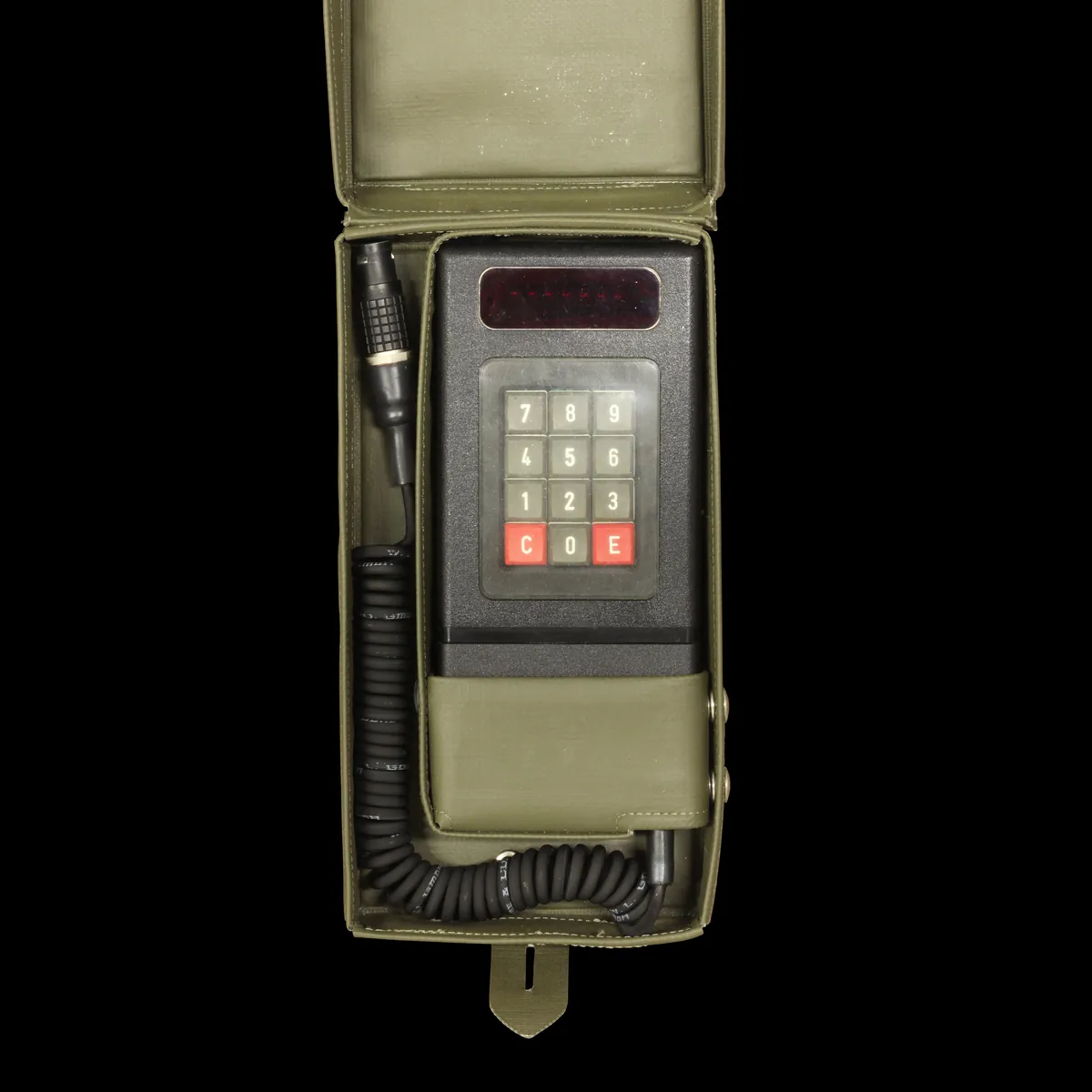
A historic handheld cryptographic device with a keypad and coiled cable.
A historic cryptographic device in the Swiss Army collection. Archival cryptography context; this device does not implement HAWK and is not an artifact of the reported cryptanalysis.Image: Cryptographic device-IMG 0583-black.jpg · Rama · CC BY-SA 2.0 frFull image credit

HAWK's designers withdrew their signature candidate from NIST's additional-signature process on July 29, a day after Anthropic disclosed an AI-assisted attack. The withdrawal shows why a cryptographic candidate's mathematical assumptions and parameter choices remain open to scrutiny throughout evaluation.

Anthropic's July 28 research report describes the cryptanalysis. The HAWK team's July 29 notice confirms that the attack reduces the lattice-reduction effort needed to recover a private key.

The finding concerns HAWK specifically. It does not establish that all post-quantum cryptography is broken or indicate that quantum hardware performed the attack. For implementers, the project's withdrawal notice and current standards guidance take precedence over any reassurance drawn from HAWK's former candidate status.

Keep your reading trail

Your Updates →

Evidence & context

1 linked source

Primary research disclosure and withdrawal confirmed by the HAWK team.

How to read the evidence and dates

An announcement records what an organization stated. An experiment reports an observation. A simulation or resource estimate depends on its assumptions. QubitWire’s analysis connects these sources; the labels are not quality scores.

Published is the article’s first QubitWire publication. Updated marks a substantive content change. Sources checked records a review of the underlying evidence. An older paper can support a new explanation, and another press release about the same work is not independent replication.

Read the original · anthropic.com Source report
READ NEXT

Continue exploring

All Security stories
  1. More on post-quantum security

    Kaspersky finds post-quantum key exchange in a reported Lazarus malware chain

    Operation FlashHole illustrates an unexpected use for ML-KEM. The vendor’s disclosure concerns malware delivery, with activity evidence dating to July 2025.

    Published · Source report · Sources checked
  2. More on post-quantum security

    NIST finalizes its post-quantum transition roadmap

    The final report distinguishes sensitive federal systems from the broader migration timetable.

    Published · Source report · Sources checked
THE QUANTUM BRIEFING

A clearer signal.
Read the latest edition.

A little perspective on a fast-moving field.

Read the on-site briefing →

Read selected quantum coverage in the on-site briefing, or register your interest below.