
A Cosmic Ray Can Spoil a Quantum Computer’s Day
A tiny energy deposit can spread trouble across a superconducting chip. Understanding those bursts takes researchers from particle detectors to underground laboratories.
.jpg)
Imagine investigating a quantum experiment that suddenly misbehaves across several at once. A control setting might be responsible. So might an energetic particle passing through the chip. Superconducting circuits are sensitive enough that radiation from cosmic particles and nearby materials can become part of the computer engineer’s everyday problem.
The disturbance can spread. Energy deposited in a chip launches vibrations that can break paired electrons in its superconducting film, producing excitations called quasiparticles. These can interfere with qubit behavior. Several qubits may suffer together, creating a burst of linked errors that is harder to handle than isolated, scattered mistakes.
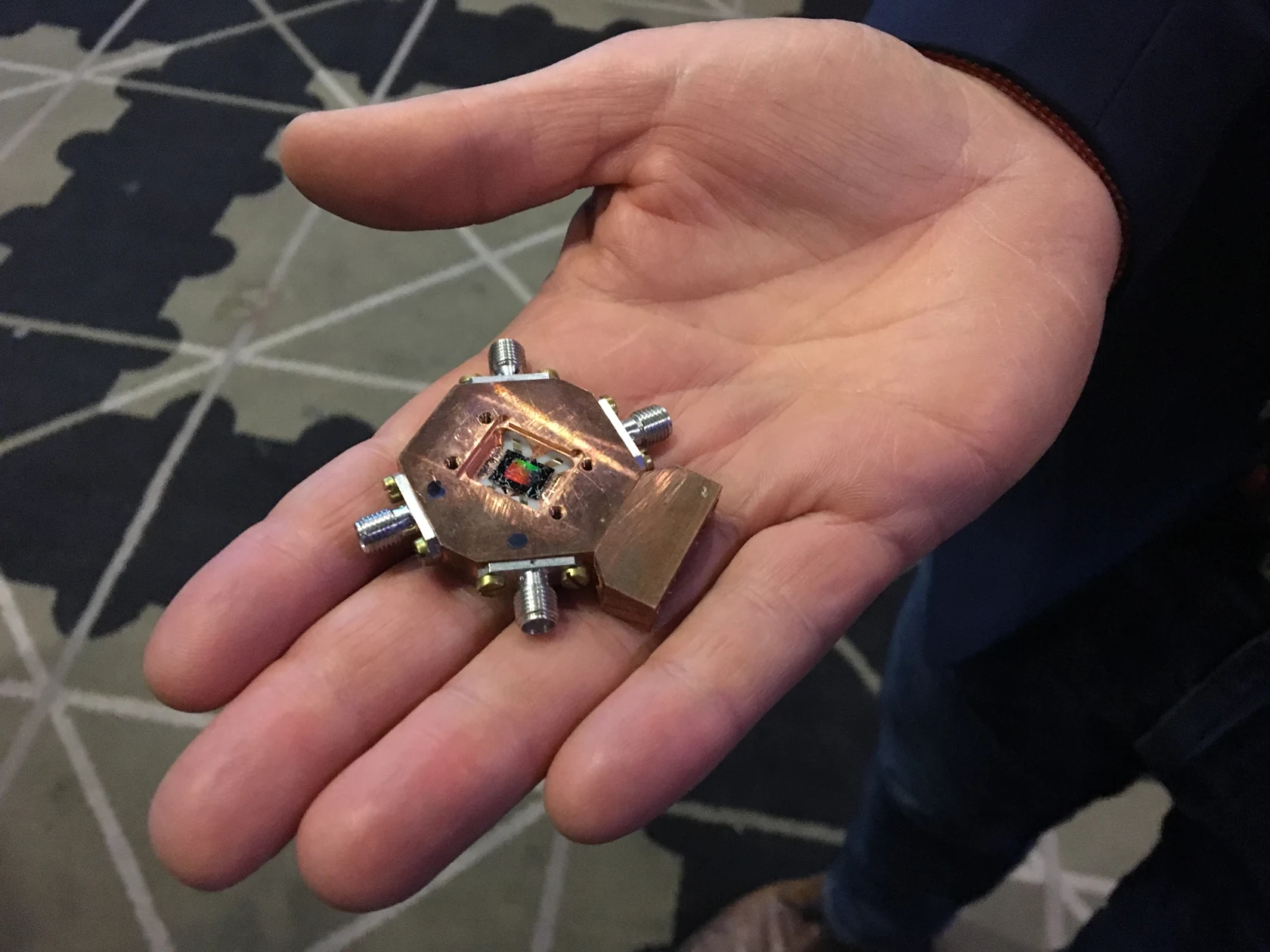
A 2025 experiment used a 63-qubit processor and particle detectors to connect incoming muons with those disturbances. The team monitored a selected set of 31 qubits and separated contributions from muons and gamma radiation. That distinction matters: blaming every sudden failure on something arriving from space would miss nearby sources.
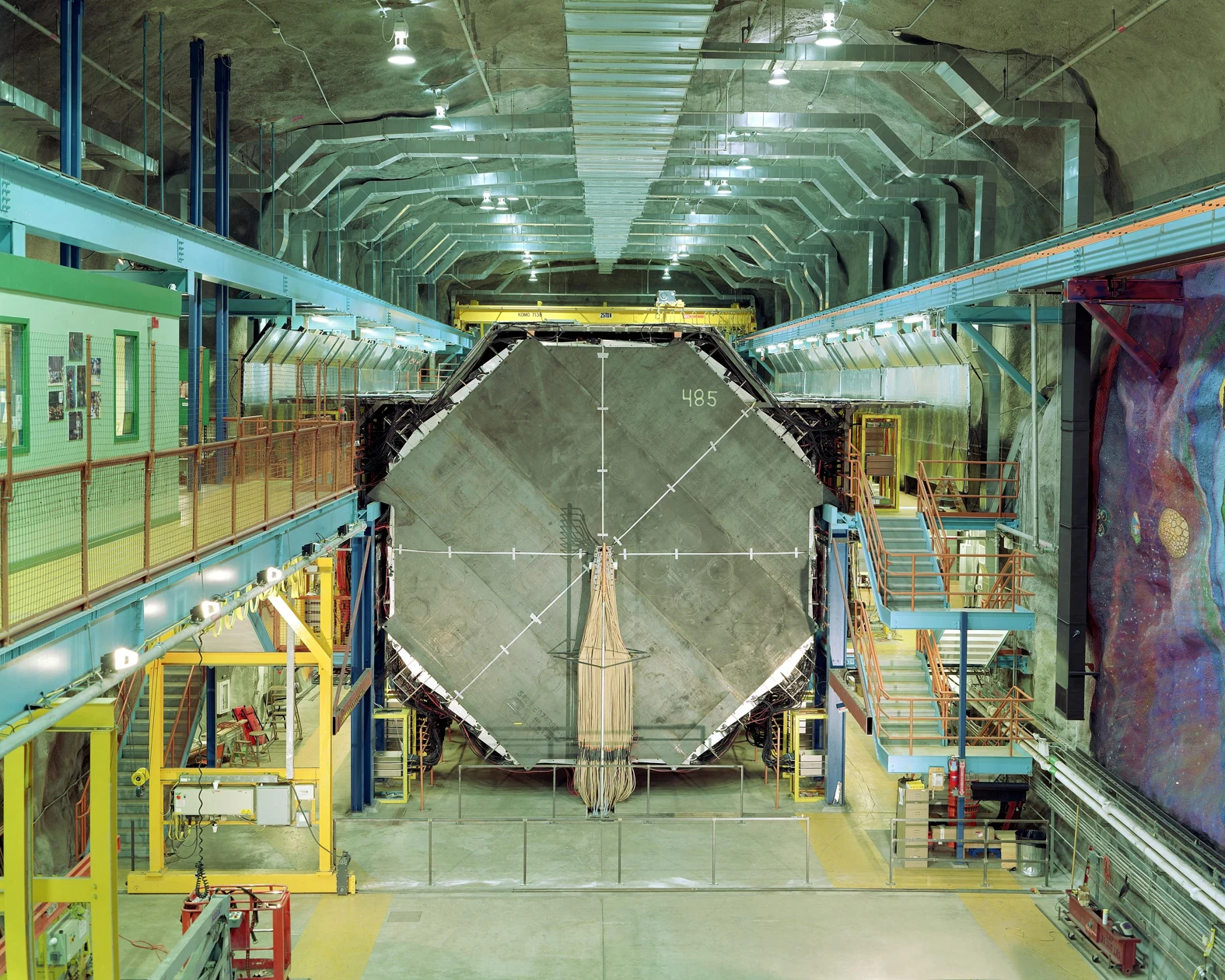
Researchers have also taken superconducting resonators underground. A 2021 study combined shielding and other precautions to reduce quasiparticle bursts thirtyfold. Resonators are useful probes, and this was a specific experiment. The result does not mean every quantum computer belongs in a mine, or that moving underground cures every hardware problem.
The engineering menu includes cleaner materials, shielding and structures that trap unwanted excitations or absorb their energy. Different designs face different trade-offs. The larger lesson is practical: making one qubit quieter is only part of building a dependable machine. Engineers must also understand the disturbances that can reach several neighbors together.