
Lumen separates quantum networking research from its security rollout
A new announcement contains research commitments and future product dates. Each needs a different test of progress.
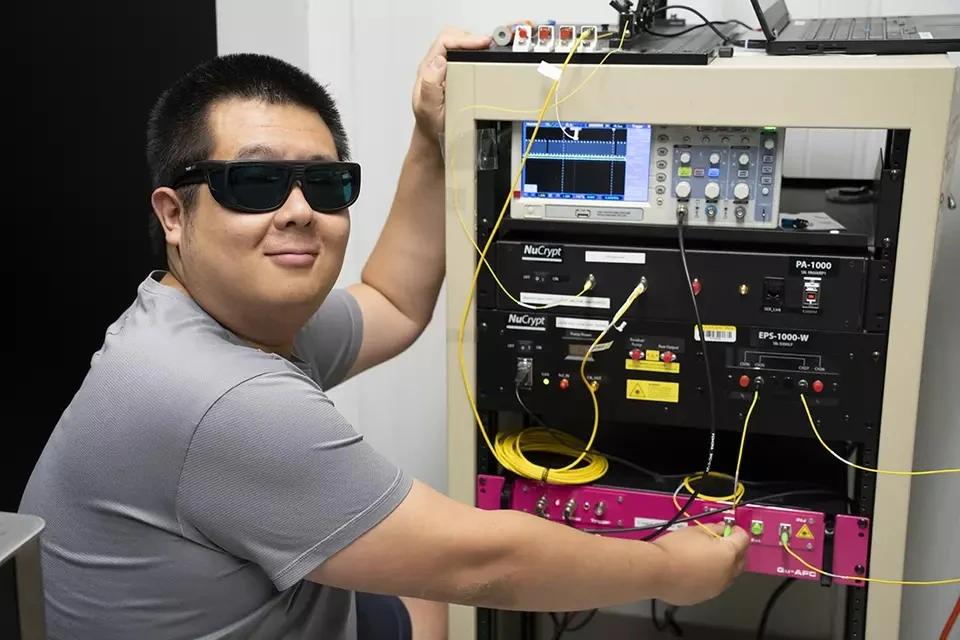
Lumen has announced support for Ohio State research into long-range quantum networking and distributed sensing using deployed optical fiber. Separately, it plans Fortinet post-quantum cryptography capabilities in its SASE offering, targeting initial availability in November 2026 and general availability in January 2027. The October 29 announcement also describes plans to explore an Emerald AI workload-routing pilot.[1]
The useful distinction is between the research into future quantum connections and the security work on conventional communications. They can belong in the same company's strategy while serving different purposes. Neither is evidence that a general quantum internet has begun operating.
A research project should eventually be judged by experiments and their limits. A security offering should be judged by what customers can deploy, the supported protocols and the scope of protection. A pilot that moves computing work should be judged by a comparison that includes service quality, energy, latency and cost.
The availability dates are targets in an announcement, not observations of a released service. The research commitment also supplies no basis for inventing a network distance or rate. Those would require a separate technical result.
For readers following quantum technology into ordinary infrastructure, this is a useful way to read a broad corporate announcement: keep the research question, product promise and customer evidence separate. Each can make progress on its own timetable.