
Could a Quantum Computer Help a Microscope Stop Destroying Its Subject?
A theoretical proposal connects trapped-ion quantum computing with electron microscopy. The attraction is learning more while doing less damage.
.jpg)
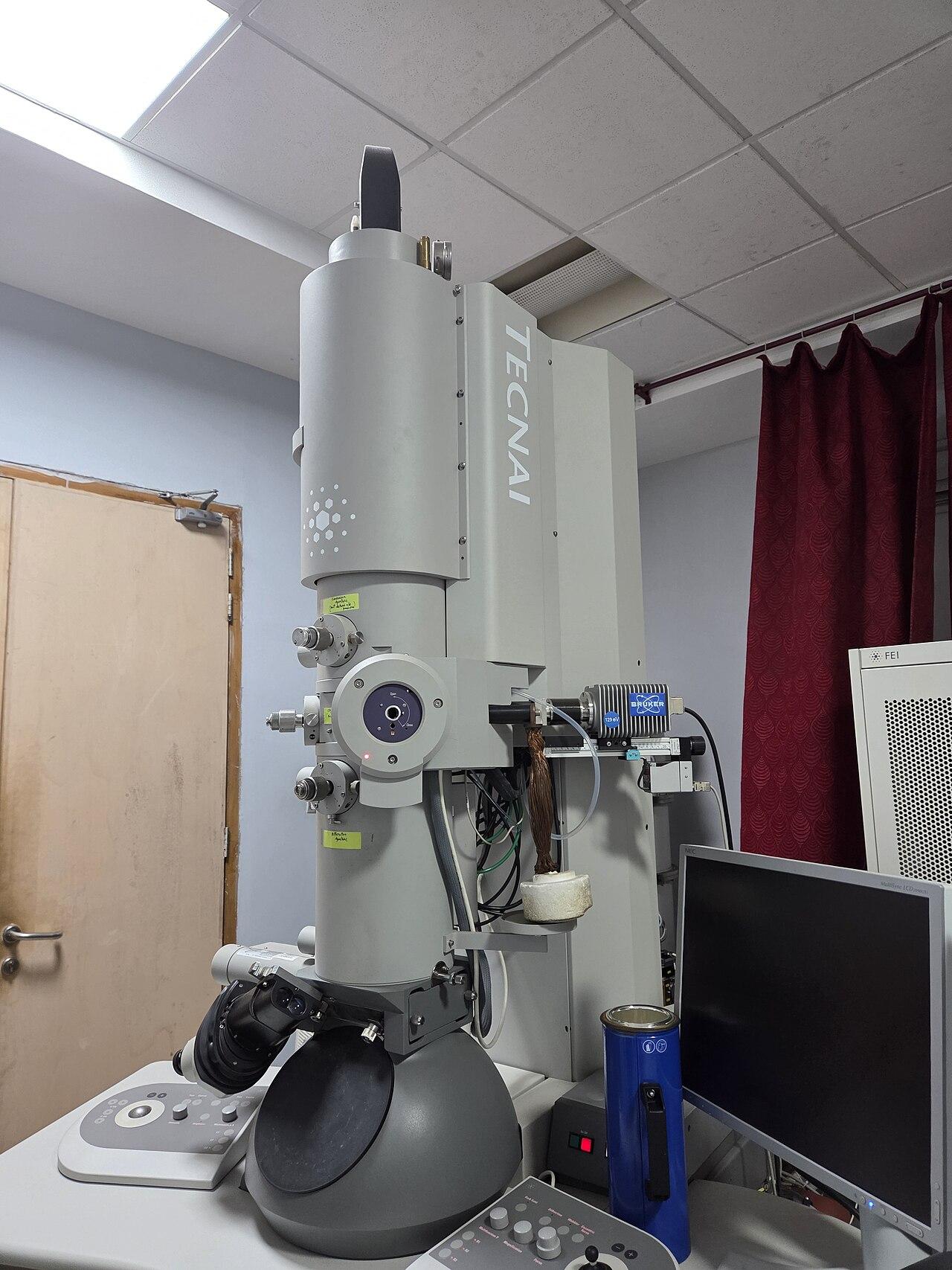
A powerful microscope has an awkward problem: the particles that reveal a fragile object can also damage it. Getting a clearer view and preserving the subject are not always the same thing.
A proposal highlighted by TU Wien on August 18 explores whether quantum-computing tools could change that trade-off. Researchers propose coupling the electrons used in a microscope to a trapped-ion quantum processor. Their theoretical work was accepted by Physical Review Letters in July; the institutional update says experimental implementation is underway. This is a proposed architecture, not a demonstrated microscope already producing gentler images.[1][2]
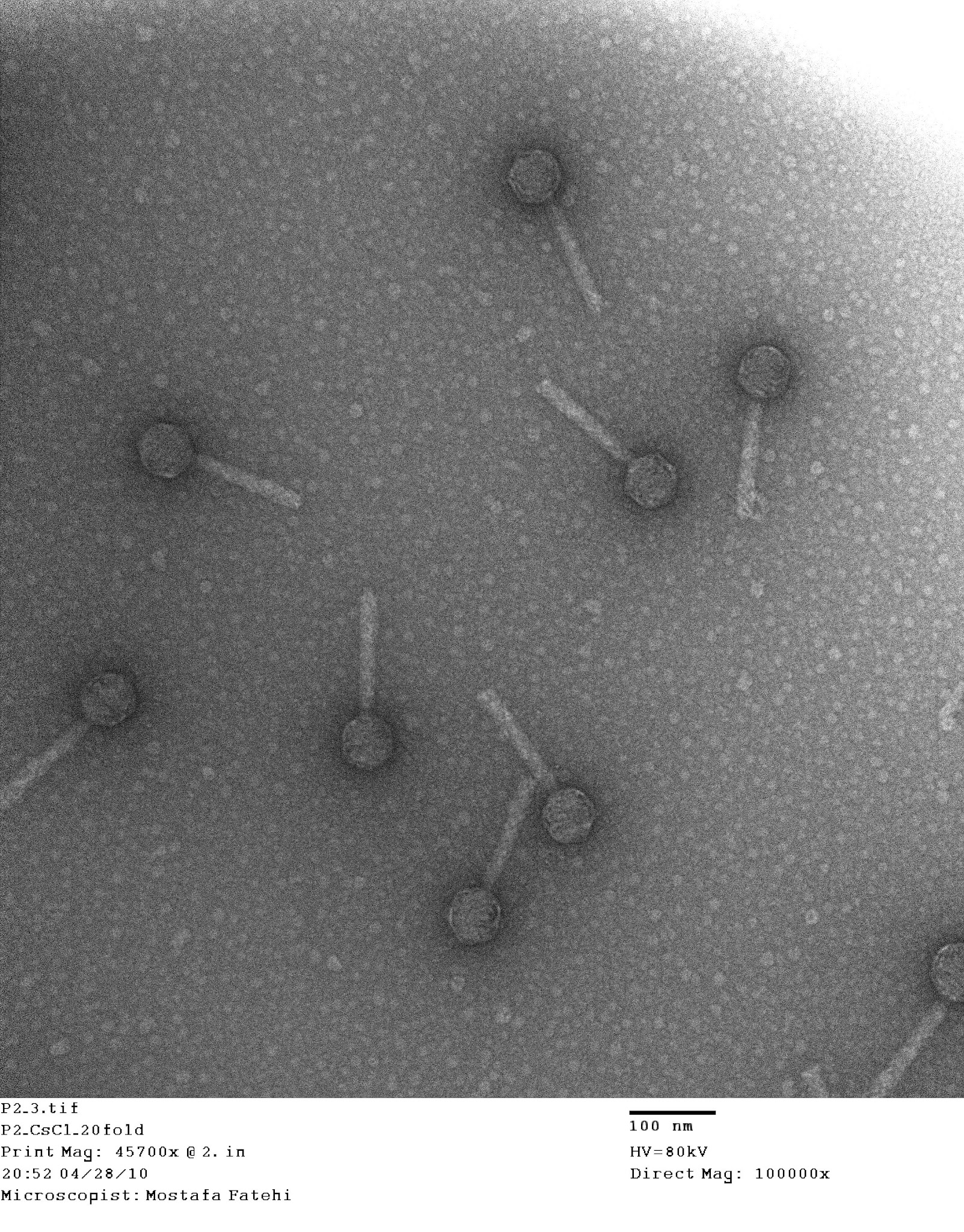
Electron microscopes reveal structures far smaller than an ordinary light microscope can resolve. But sensitive material, especially biological material, can tolerate only so much exposure. A useful improvement would extract more information from a limited electron dose rather than simply bombard the sample more intensely.[3]

The proposal treats the flying electron and the trapped quantum system as parts of one information-processing experiment. Instead of leaving every electron independent of a controllable quantum memory, the researchers examine how interactions with trapped ions could combine information across successive electrons. The hard part is making that coupling useful and controllable in a real instrument.[3]
It is a vivid application because the goal is easy to understand: learn more before the act of looking changes what is being observed. Yet that appeal should not outrun the evidence. The work does not show that a hospital or biology laboratory can order a quantum-assisted microscope, nor that a particular sample can already be imaged with a guaranteed reduction in damage.[1][3]
A working system would need to bring electron optics, ion control, noise management and measurement together. Success would have to be judged against established microscopy methods at comparable image quality and dose. A clever interaction on paper is only one part of that engineering problem.
For now, the story is a reminder that quantum computing need not arrive only as a remote machine running an enormous algorithm. A carefully controlled quantum system might eventually become a specialized assistant inside another scientific instrument. The next evidence to watch is experimental coupling, followed by a fair imaging comparison.