
Fewer Quantum Gates Start With More Classical Work
ORNL highlights a smaller phase-estimation circuit. The useful question is whether fewer gates also make a complete calculation more practical.
.jpg)
A quantum algorithm can be elegant on paper and still demand a circuit too long to run reliably. In a September 29 update, Oak Ridge National Laboratory describes LuGo, a workflow that moves more work into classical preprocessing before a quantum calculation begins. Its target is a costly step called quantum phase estimation.[1]
The reported example reduces a circuit requirement from about two million gates to 91,000. That is roughly 95% fewer gates for this implementation, rather than a claim that every quantum algorithm becomes twenty times faster. The work addresses phase estimation within a quantum approach to linear systems and fluid-flow problems.[1][2]
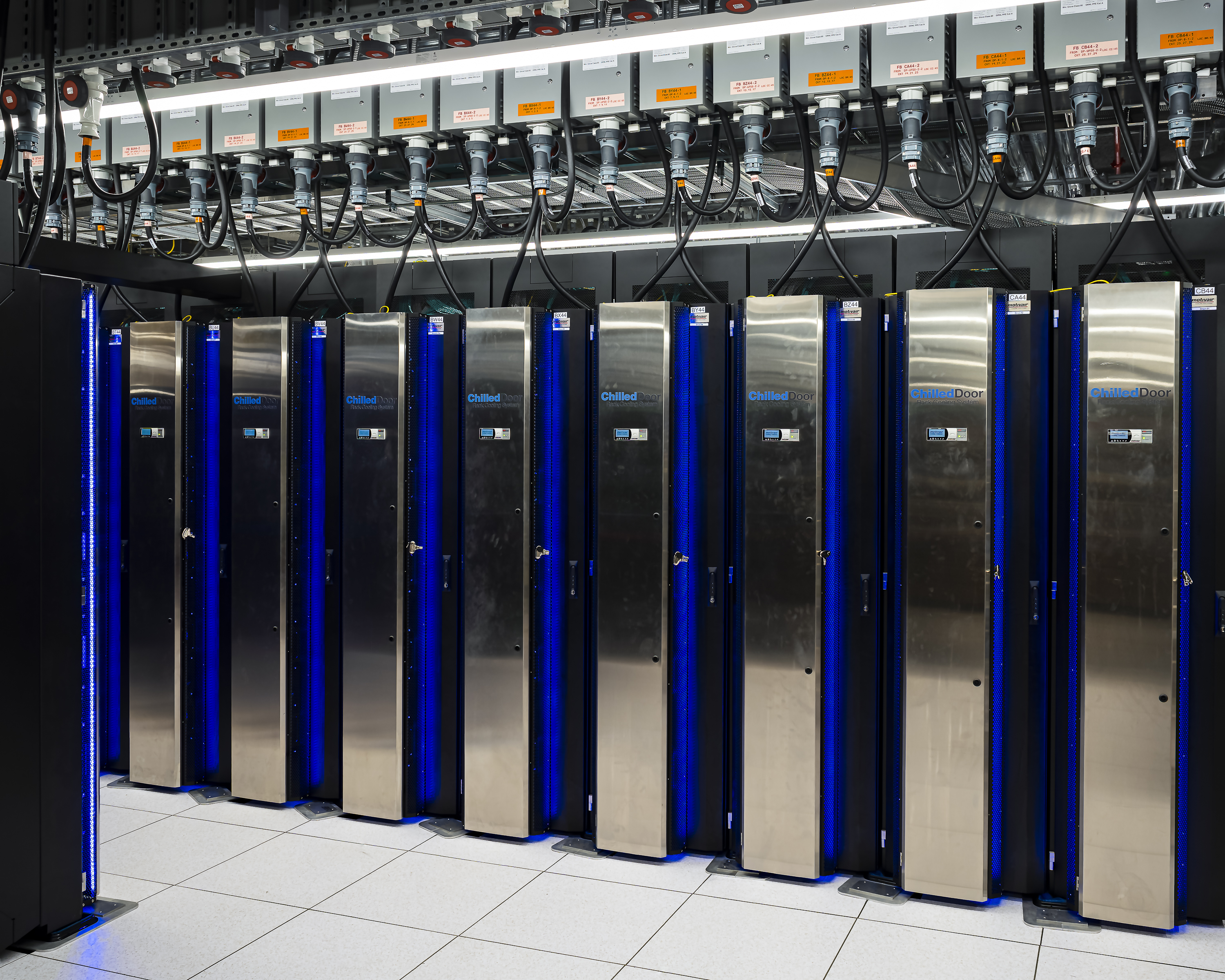
Classical preprocessing changes what must be encoded and executed on the quantum side. ORNL describes using Frontier and Perlmutter to simulate quantum circuits alongside evaluations involving commercial quantum processors. Frontier is a conventional supercomputer. Its role illustrates why useful quantum workflows may depend on substantial classical computation rather than replacing it.[1]
Fewer gates can reduce opportunities for noise, but the number alone does not establish an end-to-end advantage over a strong classical fluid solver. Data preparation, repeated measurements and classical processing still matter. The related journal paper appeared in the May 2026 issue; the September announcement is an update on that work, not a newly published paper.[1][2]
The next useful comparison is the cost of the complete workflow on a defined problem, including accuracy and the classical baseline. LuGo offers a concrete circuit reduction to examine as hardware improves. Turning that reduction into a practical application still requires testing the full calculation, not treating a shorter circuit as proof of commercial superiority.[1][2]