
Germany tested quantum networks with mock pharmacy bills
QuNET's application demonstration brought different experimental systems together.
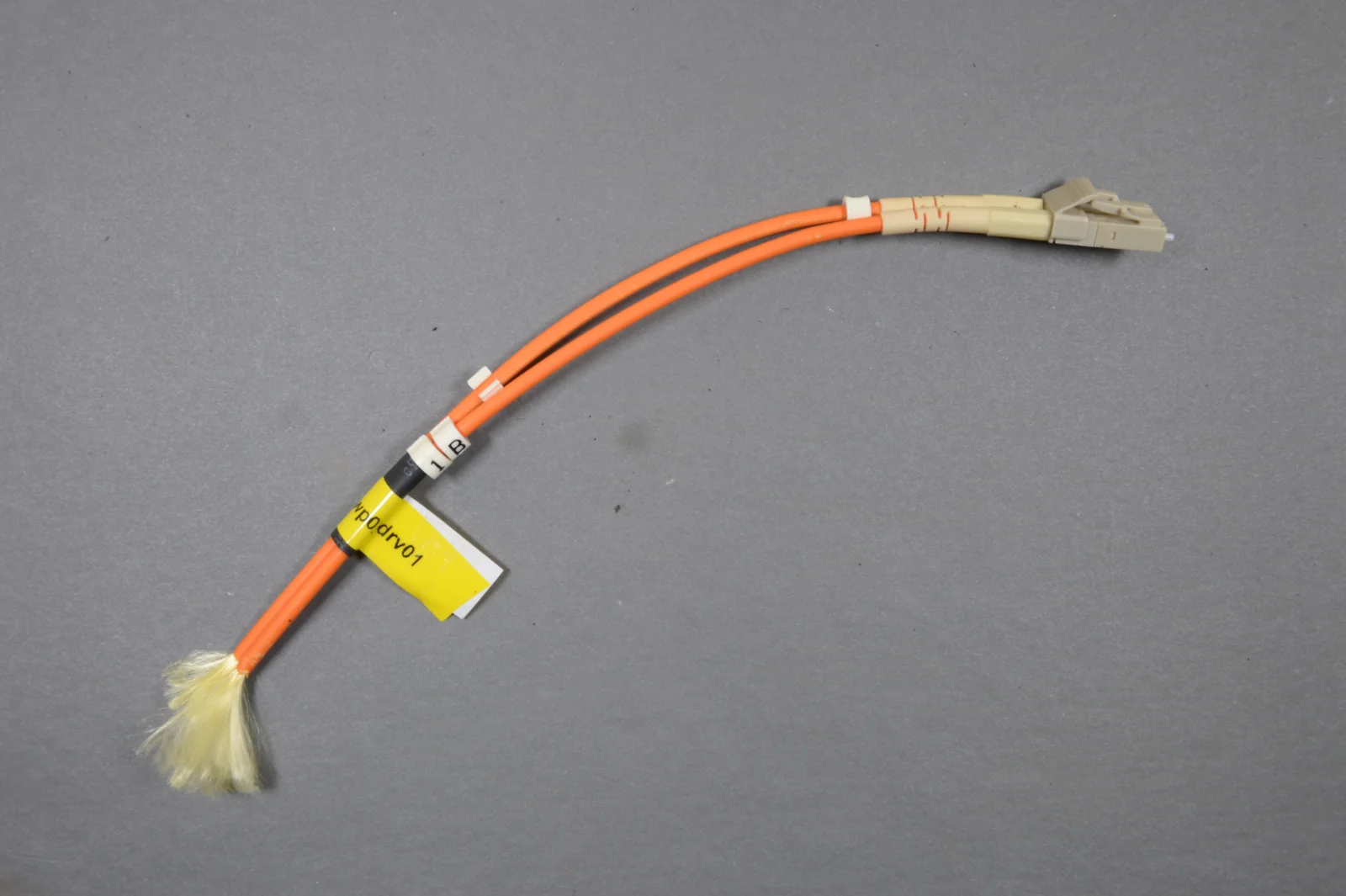

Fraunhofer's October 28 account describes QuNET connecting regional experimental networks in Erlangen, Erfurt and Berlin. Different quantum-cryptography systems were brought together for an application demonstration using fictitious pharmacy bills, sent from University Hospital Jena through DATEV to Bundesdruckerei over conventional fiber communications infrastructure. The release identifies quantum key distribution as the initiative's focus. It provides no numerical secret-key rate, error rate or uptime result, and no independent security assessment. The named application participants do not establish a detailed physical fiber route.[1]
Why mock bills make a useful test
A billing exercise gives interoperability a recognizable purpose. The document must reach the right application, and the systems supporting its protection must cooperate. Those are related tests, but a successful document transfer alone cannot describe every security assumption behind it. The named organizations tell us about the application workflow; they do not supply a map of every physical connection or trusted intermediate component.
Follow the application, then ask about the network
Test-data sender
Fictitious pharmacy bills from University Hospital Jena.
Application processing
DATEV participates in the application demonstration.
Application destination
Bundesdruckerei receives the test records.
Three terms to know
- Interoperability
- The ability of separately built components to work together under specified interfaces.
- Test data
- Records created for an exercise, rather than operational records from the application.
- Trust boundary
- A point at which the assumptions or responsibilities for security change.
Analysis: the interfaces that matter
For an organization considering a service built this way, the decisive questions concern ownership of the interfaces. Who supplies keys to the application? What happens if that service is unavailable? Which party can inspect the evidence behind a security decision? Answering those questions turns an impressive demonstration into a reviewable operating proposal. It also gives a reader a clearer way to judge progress than a photograph of a network launch.
Analysis: a familiar task for experimental systems
The ordinary nature of the mock bills is the strength of the example. A familiar task makes it possible to discuss how independently built systems cooperate while keeping the experimental network distinct from a service on which real transactions already depend.
Keep exploring
Continue with Learn quantum computing or Read more quantum coverage.