
A quantum chip is not a computer. QuTech is connecting the pieces
A new Delft unit will combine European components into complete superconducting quantum computers and develop a repeatable integration process.
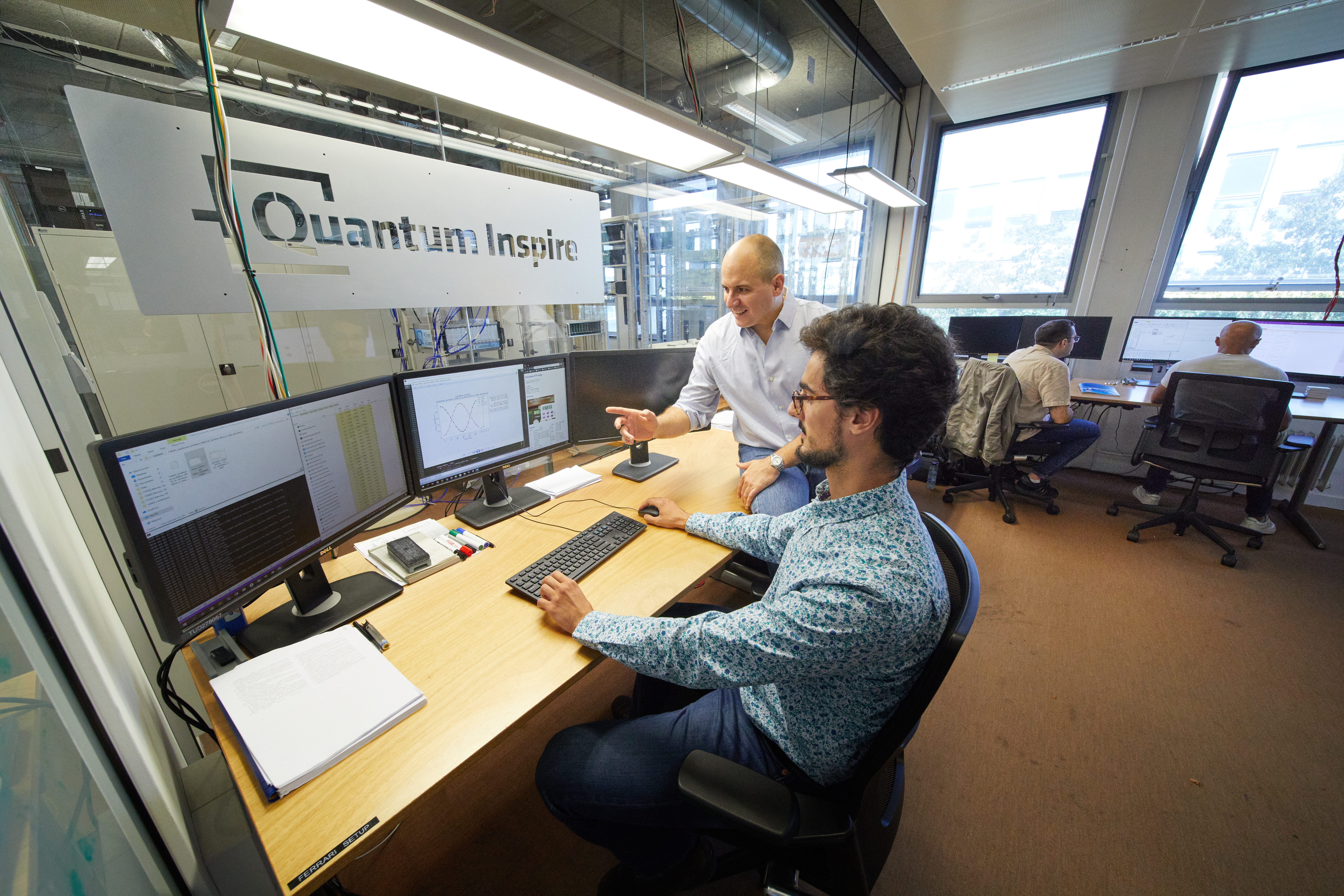
A brilliant quantum chip is not much use if its refrigerator, controls and software cannot work together. That is the less glamorous challenge behind QuTech’s September 4 announcement: a dedicated Delft unit to turn specialist components into complete, usable quantum computers. The Quantum Systems Integration Unit will develop superconducting computers using components from European suppliers and deploy systems through Quantum Inspire. Scientific lead Leo DiCarlo’s team is building on QuTech’s experience putting five generations of superconducting machines into public use.
There is already a practical example. Tuna-17, released in July, combines QuTech’s processor and integration work with TNO’s compilation layer, Qblox controls, Delft Circuits cabling and QuantWare packaging and amplifiers. Orange Quantum Systems supplies operating and calibration software. The 17- system is available through Quantum Inspire.
The new unit’s first year will focus on an integration blueprint, intellectual property and discussions with prospective customers. QuTech is examining several business models, including complete installations and integration services, with a route toward venture creation in 2028. That date is a plan, not a delivery guarantee.
The interesting test is whether one successful assembly becomes a process others can rely on. Clear interfaces can help specialized suppliers contribute improvements, but compatibility still has to survive commissioning, maintenance and everyday use. Published operating experience will reveal more than a parts list about whether this approach scales.