
Repeated gates leave measurable traces on neighboring qubits
An experiment examines how structured operations affect nearby spectator qubits.
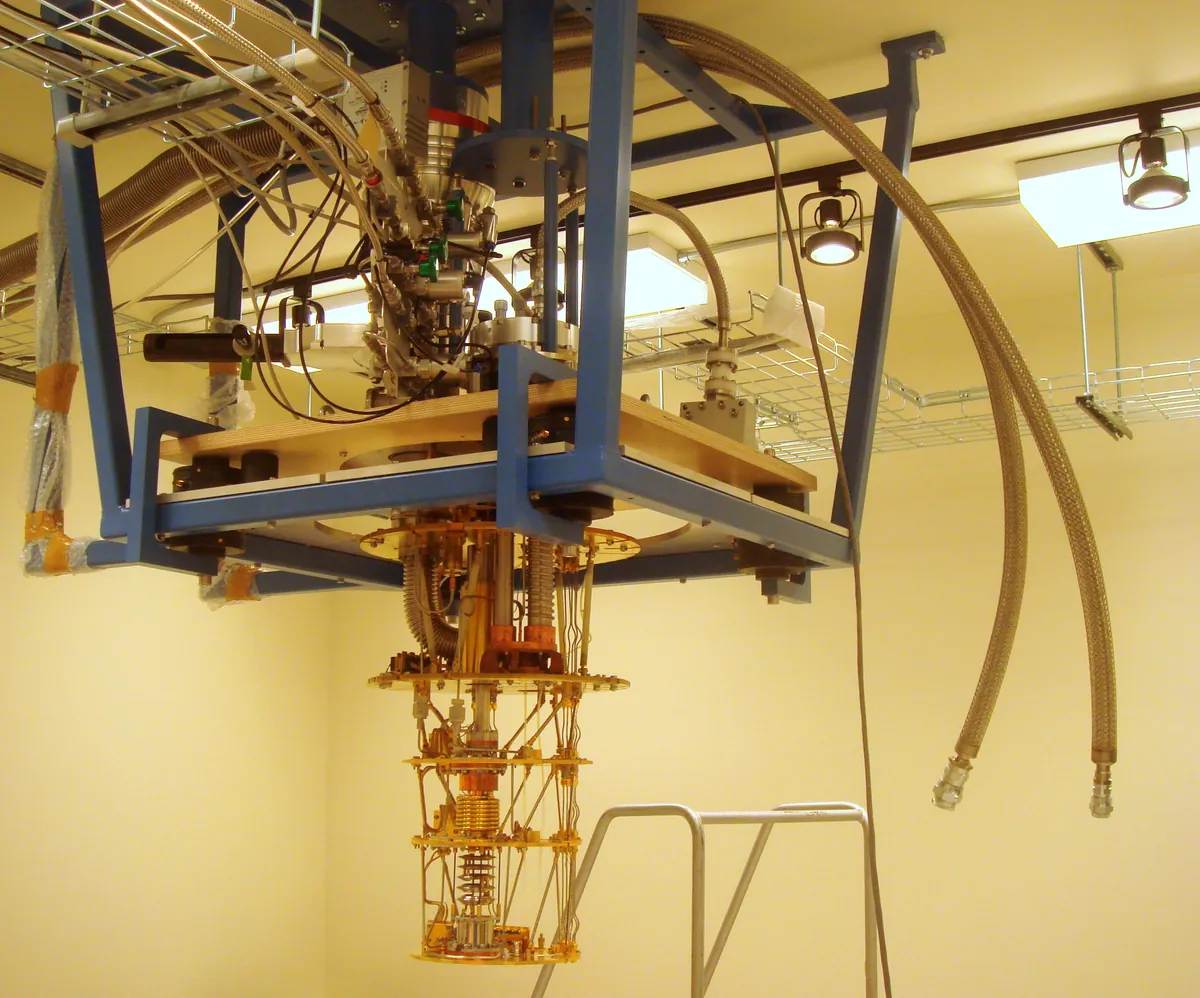

A study of superconducting quantum processors reports that repeated, structured two- gate sequences can influence measurement outcomes on neighboring spectator qubits. The researchers used commercially available IBM devices and compared those outcomes with control baselines.[1]
Fernando Almaguer-Angeles and colleagues describe a measurable bias on neighboring qubits that were not directly participating in the gate operation. The observations highlight how the arrangement and repetition of operations can matter alongside the performance of an isolated gate.[1]
The peer-reviewed accepted article appeared in Scientific Reports on October 21. The publisher says this early version remains subject to final edits before the Version of Record.[1]
Its authors explicitly frame IBM hardware as the experimental platform rather than making a general judgment about the company's products.[1]
The result identifies a configuration-dependent crosstalk effect. It does not establish a successful attack on another customer's information or show that all processors exhibit the same behavior. Any security implication needs to be tied to the paper's tested conditions and evidence.[1]