
UK roadmap puts quantum space technology through the mission test
Timing, sensing and secure communications need qualification as well as promising laboratory results.
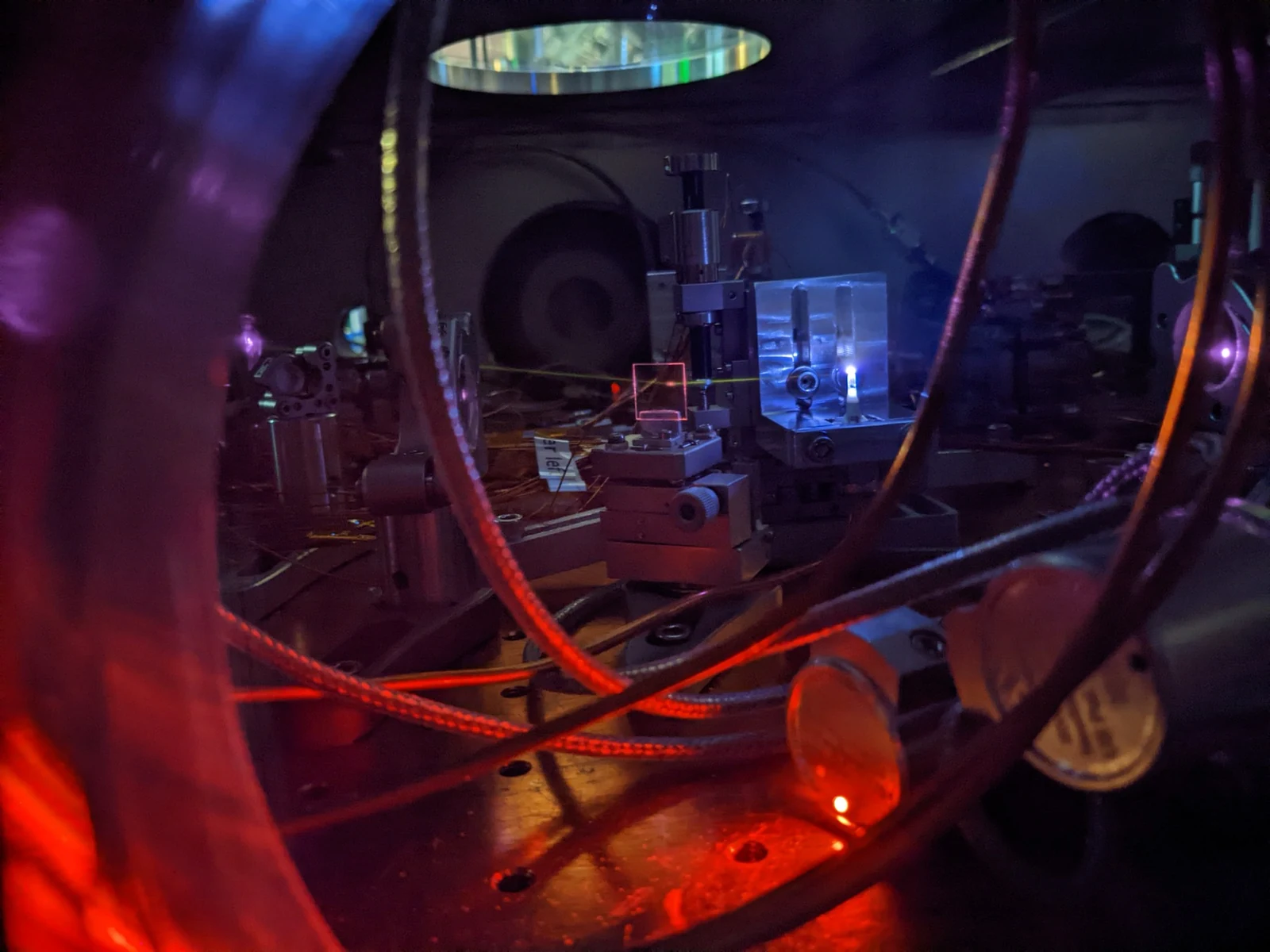
The UK Space Agency has published a quantum technology roadmap for the space sector covering priorities through the 2035-2040 horizon. It emphasizes timing and synchronization, navigation and sensing, and quantum-safe communication. Quantum computing is treated as a longer-term opportunity, with much of the nearer-term work tied to ground-based applications and preparation.[1]
The October 27 document calls for progress in qualification facilities, supply chains, skills and standards alongside device research. It recommends staged demonstrations and integration, rather than treating promising laboratory technology as a ready spacecraft component.[1]
That makes the engineering question unusually clear: can a useful measurement or security capability survive the full mission? A convincing answer must account for launch, operating environment, power, size, maintenance constraints and the interfaces with the rest of the system.
A roadmap organizes choices; it is not itself a contract award, an operational satellite or a guarantee that each target will arrive on schedule. Readers should be able to identify which claims describe recommendations, which describe existing work and which describe hoped-for future capability.
Progress becomes tangible when specific demonstrations meet specific mission requirements. A device that performs well in the laboratory still needs to earn its place in a complete flight system.