
SAIC groups quantum sensing, optimization and encryption migration for federal buyers
The portfolio announcement spans several different technologies. Each needs a test that matches the job it is supposed to perform.
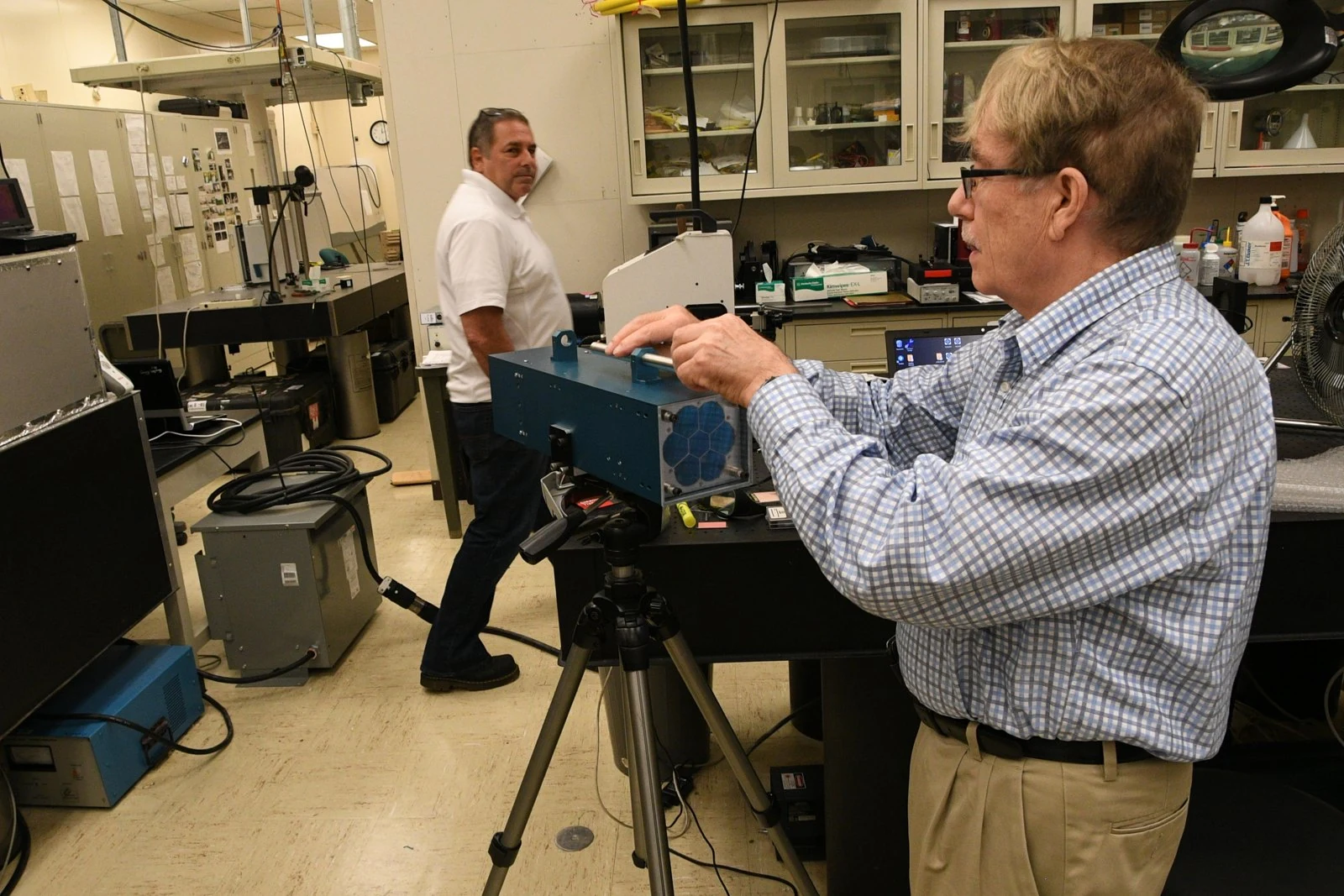

SAIC announced a federal quantum-technology portfolio on October 28, grouping sensing and timing, optical interconnects, quantum-inspired optimization and post-quantum cryptographic migration. The company says capabilities are already being deployed for federal customers, but its announcement does not provide a named deployment inventory or a common set of comparative results.[1]
The categories matter because they describe different jobs. Measuring a signal, producing a plan and updating encryption cannot be evaluated with the same performance number. In particular, the release labels its optimization work quantum-inspired; that wording should not be turned into a claim that the workload ran on a quantum processor.[1]
One terminology point also needs care. The Commercial National Security Algorithm Suite 2.0, or CNSA 2.0, is an NSA suite. The issuer's shorthand associates the name with NIST, but NSA's own resource page identifies the suite and its algorithm selections. Any implementation description should name the relevant authority accurately.[2]
Our assessment is that the announcement is most useful as a map of procurement questions. For a timing application, a buyer could ask how the system behaves when its normal reference is unavailable and how that behavior was measured. A sensing application would need a specified signal, operating environment and comparison method.
For an optimization service, a practical test could provide the same scheduling problem to the proposed system and the current planning process. The test would count preparation, execution and the work needed to make the result usable. A better answer and a faster answer should be recorded separately.
For cryptographic migration, the corresponding evidence would identify which components changed, which dependencies remain and whether the updated components interoperate. A statement about an algorithm is too narrow to describe an entire operational deployment. These are proposed evaluation questions, not results SAIC has published in this announcement.
The commercial development is the packaging of these capabilities for federal customers. A substantive follow-up would pair each capability with a named use case and an acceptance result. That would help readers distinguish a broad portfolio from the demonstrated performance of a particular delivered system.