
ZuriQ lines up cryogenic control electronics for its ion-trap roadmap
A multi-year agreement with Rhonexum targets the control hardware behind larger trapped-ion systems. Initial delivery is scheduled for the end of 2026.
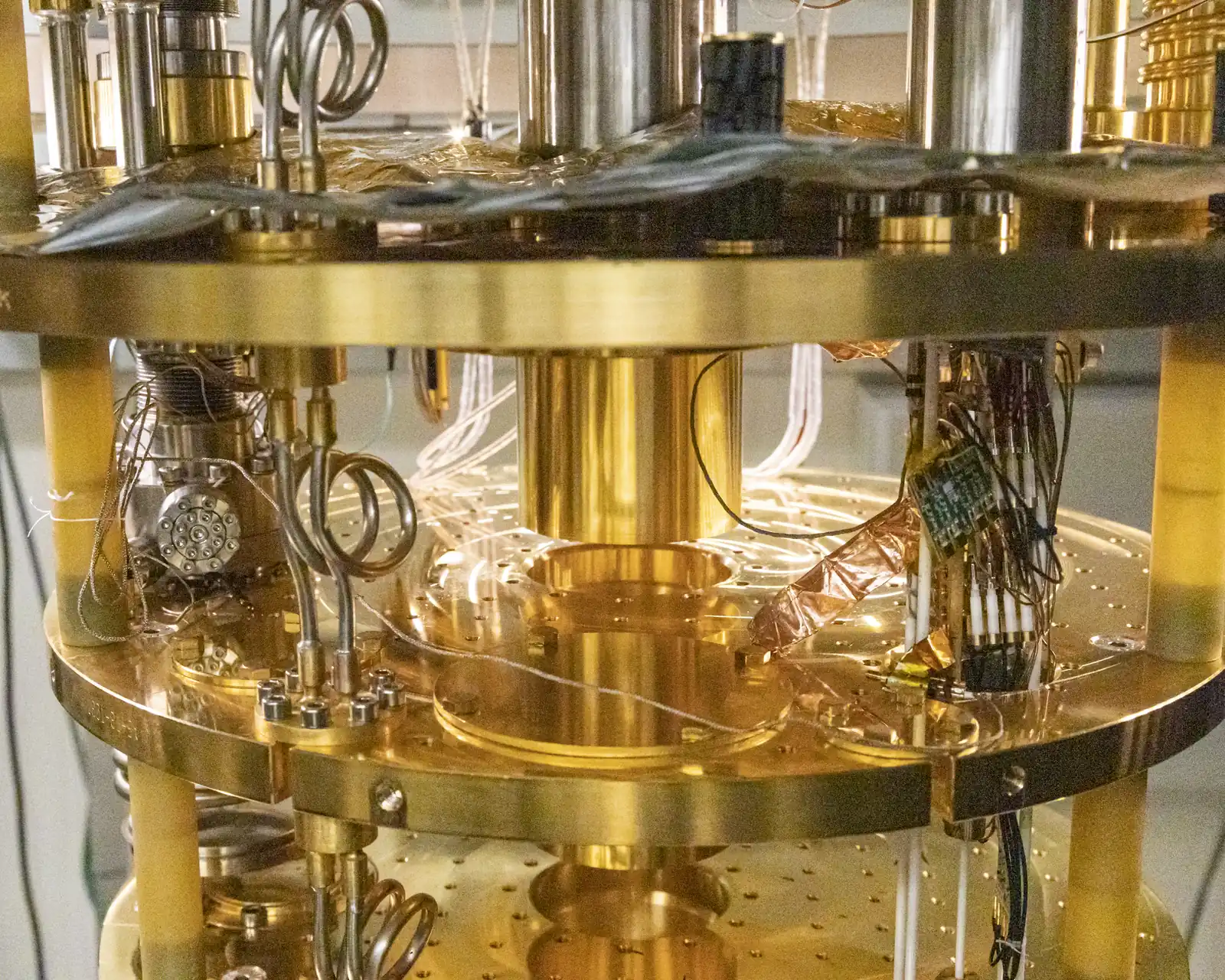

ZuriQ and Rhonexum have signed a multi-year commercial framework for cryogenic electronics intended to control trapped-ion quantum hardware. In its October 22 announcement, ZuriQ says an initial quantity of Rhonexum’s first product is scheduled for delivery by the end of 2026. The schedule is a future milestone, not a report that the electronics are already operating in ZuriQ’s system.[1][2]
The collaboration targets electrode control as ZuriQ develops its approach to larger, reconfigurable ion arrangements. Rhonexum supplies cryogenic integrated-circuit technology; the companies describe product evaluation and customization within ZuriQ’s roadmap. Their announcements do not present an integrated -fidelity benchmark or a measured scaling result from the new arrangement.[1][2]
Control electronics are part of the infrastructure that makes a qubit usable. They turn instructions into physical signals at the device. In this project, the proposed improvement concerns the connections and circuitry serving the ion trap. It should not be read as an announcement of additional working qubits or a completed quantum processor.[1][2]
QubitWire’s assessment is that the relevant comparison is the complete control system. Bringing circuitry into a cold environment may change wiring needs, but the evaluator also needs to account for heat, signal quality and serviceability. Counting fewer external connections without measuring those other effects would leave the central engineering trade-off unresolved.
A useful acceptance report would specify operating temperature, power dissipation, channel count, noise and crosstalk under simultaneous operation. It would then connect those measurements to the ion trap’s behavior. A component that meets its own specification still needs qualification in the installation where it will be used.
The immediate milestone is delivery and evaluation of the announced initial quantity. Beyond that, repeatable operation with representative electrode loads would make the partnership’s value easier to judge. The agreement establishes a supplier relationship and a development path; readers should wait for integration evidence before inferring improvements in processor capability.