
A twisted superconducting diode shows why maximum rectification is not always the goal
Fresh university coverage revisits a device paper and its performance tradeoff.
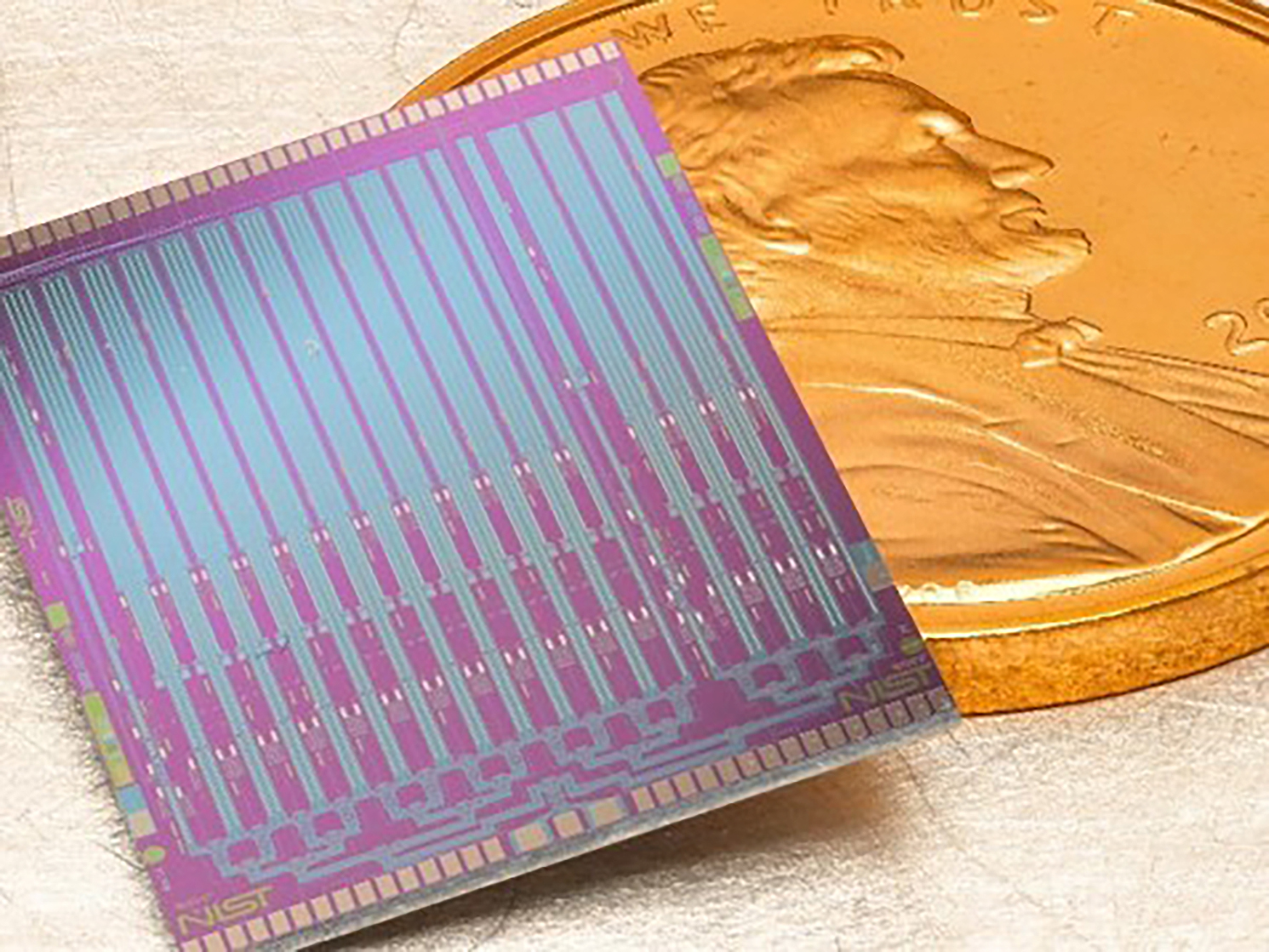
A University of Florida research update highlights a superconducting diode whose performance depends on a carefully chosen compromise. The underlying peer-reviewed accepted article appeared in Nature Communications on October 10, with final publisher edits pending.[1][2]
It uses twisted niobium diselenide to produce directional superconducting behavior under magnetic fields.[1][2]
A twist of about one degree yields a reported diode efficiency of 27.6 percent. The important claim is not that this approaches perfect rectification. Simulations in the study indicate that an intermediate efficiency can better preserve the anharmonicity needed for a useful two-level quantum system.[1]
The team connects this design question to reducing unwanted back-reflections and back-action in quantum circuits. The university highlighted the work on October 26, following the accepted paper's October 10 release.[1][2]
The experimentally characterized diode and the simulated implications for behavior are separate results. The work does not establish an integrated large-scale processor operating with improved or lower total energy use.[1]