
Alea buys the patent behind its quantum randomness technology
DTU’s spinout takes ownership of a light-based technology for generating the random numbers used in security systems.
Reading tools for text size, copying, printing and your reading list
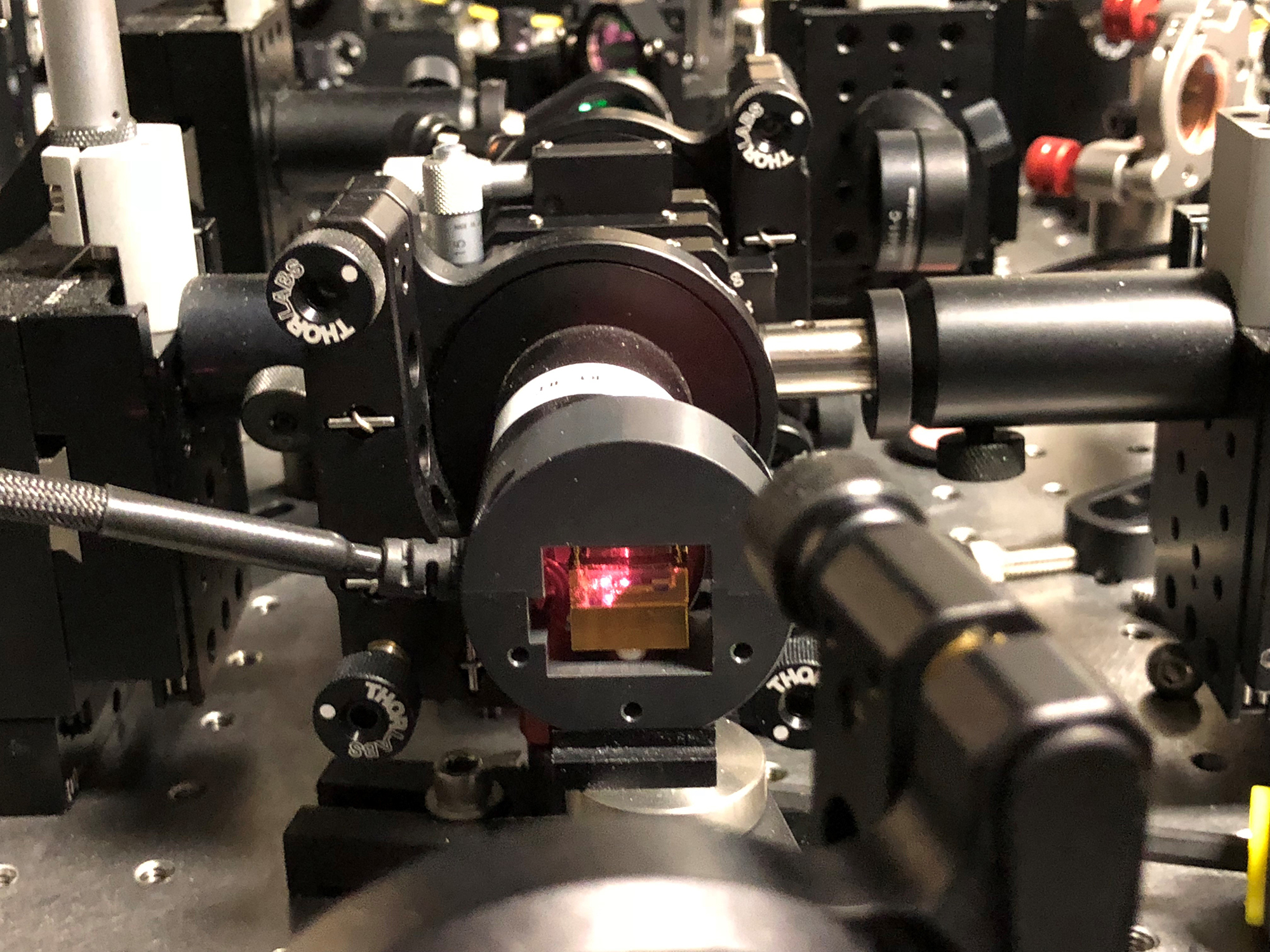
A Danish quantum-security spinout has taken ownership of an invention behind one of encryption’s basic ingredients: unpredictable numbers. DTU said on November 16 that Alea Quantum Technologies had purchased the patent for its technology from the university. The announcement gives neither a price nor an exact transaction date.[1]
Alea’s generator uses a laser and a photodetector to turn quantum fluctuations into random bits. Those bits can help create cryptographic keys. They are a component of a security system, not encryption by themselves, and owning a quantum random-number generator does not make every part of a network secure.[2][5]
The news is a transfer of intellectual property, not the invention’s debut. DTU described the technology and a working prototype in May 2023. Alea’s 2025 annual report says it had already developed a commercial product and sold it to quantum-communications partners.[3][4]
DTU says the technology also feeds systems from sister company Celare Quantum Communications. Celare works on quantum key distribution, which shares keys that can then be used for encryption. A Danish network using the technology, connecting ten locations including four ministries, was announced in July, not this week.[1][5][6]
The purchase puts the patent in the spinout’s hands as it builds that business. What it does not establish is a new security certification, a newly launched government network or the financial value of the deal.[1][2]