
Beijing names six key quantum labs, from cold atoms to medical sensors
The city named the labs at its November quantum conference and says its roster now stands at 21. One of the six had already held its launch in October.
Reading tools for text size, copying, printing and your reading list
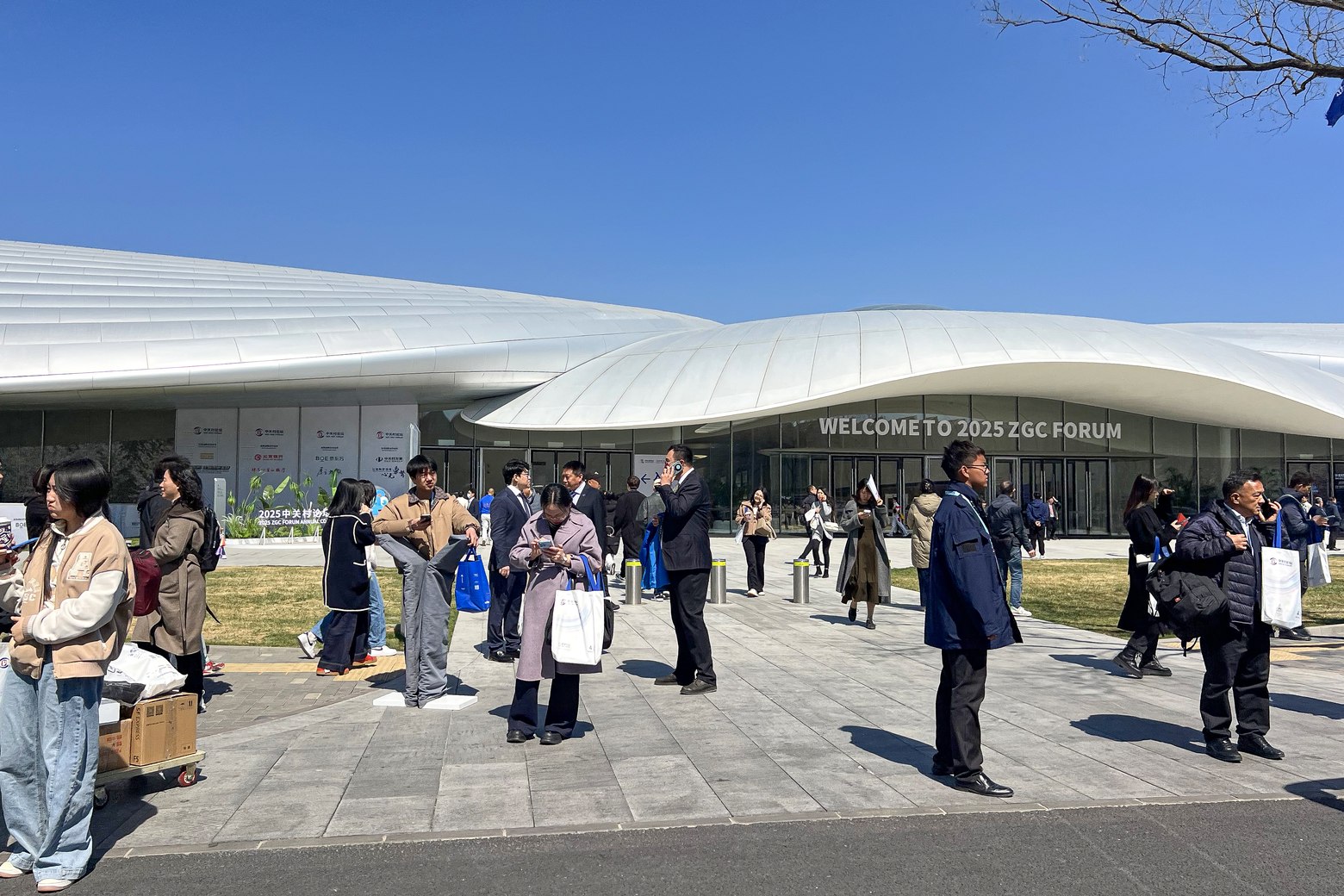
Beijing has put six laboratories on the public roster of its municipal quantum research program. The city named the labs at the Zhongguancun Quantum Conference on November 26 and published the list the next day. Tsinghua University will host two of the six, while three companies and another university will each host one. The city puts its total at 21, up from the 15 it announced in March. The update tells researchers and suppliers which groups will work on specific problems. It does not mean six buildings or experimental facilities opened on the same day.[1][2][3]
Who is working on what
Tsinghua’s two labs cover different parts of the field. One focuses on computing with cold atoms, which can be trapped and controlled to encode quantum information. The other focuses on quantum chips and information networks. Beijing University of Posts and Telecommunications hosts a separate lab for networks that use light to carry quantum information. That distinction matters: building a processor and getting it to exchange quantum information with another system are different research problems.[1][3]
The three company-hosted labs span control electronics, computing with light, and sensing. A Beijing company that develops quantum control technology hosts the lab for intelligent measurement and control of quantum computers. Beijing Bose Quantum Technology hosts one for special-purpose photonic computing and its applications. A third Beijing company, Weici (未磁科技), hosts a lab dedicated to precise magnetic-field measurements and medical applications. The announcement does not give lab-by-lab budgets or say when outside researchers will be able to use equipment at any of the facilities.[1]
The conference announcement was not a launch date for every lab
Tsinghua’s quantum chips and information networks lab had already held its launch meeting on October 12. The university says that meeting also reviewed preliminary research for a quantum network testbed. The November announcement was the city’s presentation of the six labs together, not the start of every project on its list. The same distinction applies to technology shown at the event. One of the conference highlights was the 78- Zhuangzi 2.0 superconducting processor, but its research team had already reported an experiment using it in January.[1][3][4]
The next meaningful signs of progress will be more specific than the lab count: a testbed that connects separately built devices, a control system tested on a processor, or a magnetic sensor with published data from its intended setting. The November list identifies the institutions responsible for those lines of work. It does not yet establish what the labs can offer or when.[1][3]