
Canada Commits C$195 Million to Xanadu Manufacturing Project
The C$195 million federal commitment supports a C$893 million project. Follow funding, process qualification and module acceptance separately to see what the manufacturing program delivers.
Manufacturing funding is a commitment to future delivery
- Reported
- Canada announced C$195 million for Xanadu’s C$893 million research and manufacturing project.
- Supported observation
- The August 28 announcement identifies federal support through the Strategic Response Fund for expanded research facilities and advanced manufacturing in Canada.
- Conditions
- Planned capabilities include packaging, testing, assembly and integration of photonic and semiconductor components for quantum systems. These are announced funding and project amounts, not measured quantum-computer performance.
The announcement does not establish completed facilities, industrial production or demonstrated fault-tolerant computing. Project delivery remains prospective.
- Government of Canada invests in Xanadu to build up advanced quantum manufacturing in CanadaInnovation, Science and Economic Development Canada · Official government announcement · Source published Source checked
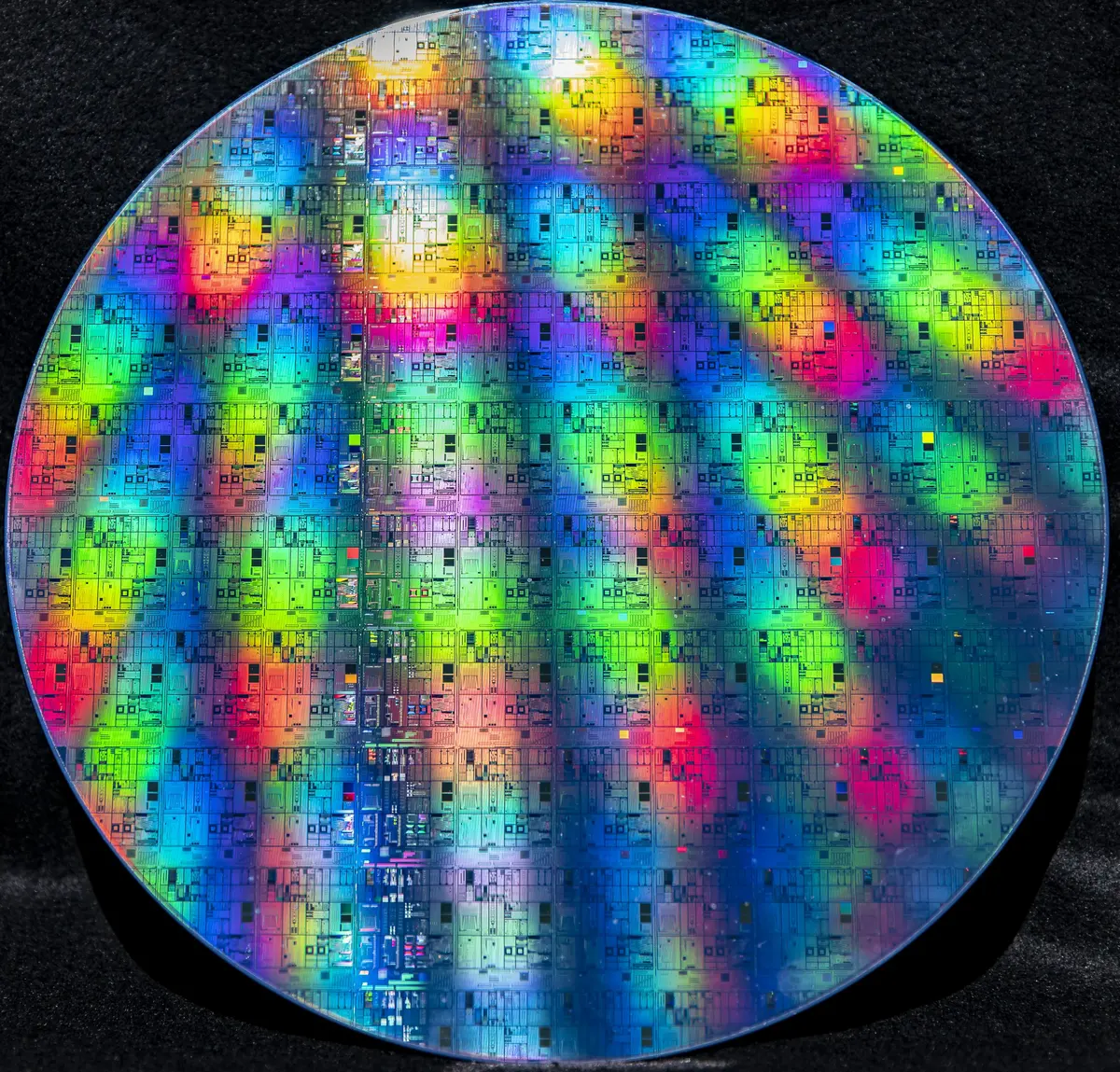
Canada’s C$195 million commitment to Xanadu supports a C$893 million research and manufacturing project. The August 28 announcement targets capabilities for integrating, packaging, testing and assembling quantum components in Canada. Its practical significance is the attempt to make a repeatable route from a promising component to a working module.[1]
Read the funding figures as nested amounts
The three large funding figures describe different things. C$195 million is the federal commitment through the Strategic Response Fund. Xanadu says its definitive agreement formalizes the federal portion of potential support of up to C$390 million announced in March. C$893 million is the project size reported by the government. Adding these figures together would count overlapping parts of the plan as separate money.[1][2]
The federal commitment is about 22% of the stated project size: 195 divided by 893 is approximately 0.218. That calculation describes the relative scale of the announced contribution. It does not identify how every remaining dollar will be financed or when payments arrive. The company’s release explicitly includes conditions and milestones associated with receiving government funding among its risks.[1][2]
Follow the route from chip to module
Xanadu identifies four manufacturing tasks: combining different photonic components, packaging photonic integrated circuits, testing and measuring devices at wafer level, and assembling quantum modules. Canada also projects 275 jobs from the project. Both the industrial capabilities and the jobs are intended outcomes; the announcements do not report completed production facilities or an achieved manufacturing yield.[1][2]
A useful way to evaluate that route is to keep the denominator visible. Consider an illustrative batch of 100 components. If 90 meet a specified device test but only 60 meet the module’s requirements after assembly, “90 components pass the device test” and “60 pass the module-level test” describe different checkpoints. These invented numbers explain the accounting problem; they are not measurements from Xanadu.
For the same reason, a factory opening and a qualified process answer different questions. The opening tells a reader that infrastructure is available. Qualification should identify what was tested, the acceptance criteria and how consistently the output met them. A manufacturing story becomes much more informative when later disclosures connect those checkpoints rather than replacing one headline with another.
Connect the funding to later engineering evidence
Subsequent partnerships give readers specific places to follow that work. Xanadu’s October 6 GlobalFoundries announcement targets process transfer for ultra-low-loss silicon-nitride photonics and superconducting nanowire single-photon detectors to a 300 mm line in Malta, New York. It is a separate industrial relationship, not evidence that the Canadian project is complete or that its funding has all been received.[3]
QubitWire’s follow-up test is straightforward: compare the announced project with later records of funding received, facilities delivered and components accepted after integration. Keep the original dates and definitions attached. That would show how public support becomes manufacturing capability without confusing a budget, an opening or one successful device with a functioning production system.