
Skip to content
BUSINESS + POLICY · QUANTUM BUSINESS · LOCAL POLICY

Voters in three Chicago precincts oppose South Works quantum-facility funding

Updated unofficial results show 77.6% voting No on an advisory question about an estimated $1 billion in taxpayer support.

Published Updated Source report Sources checked
Reading tools for text size, copying, printing and your reading list
My reading list
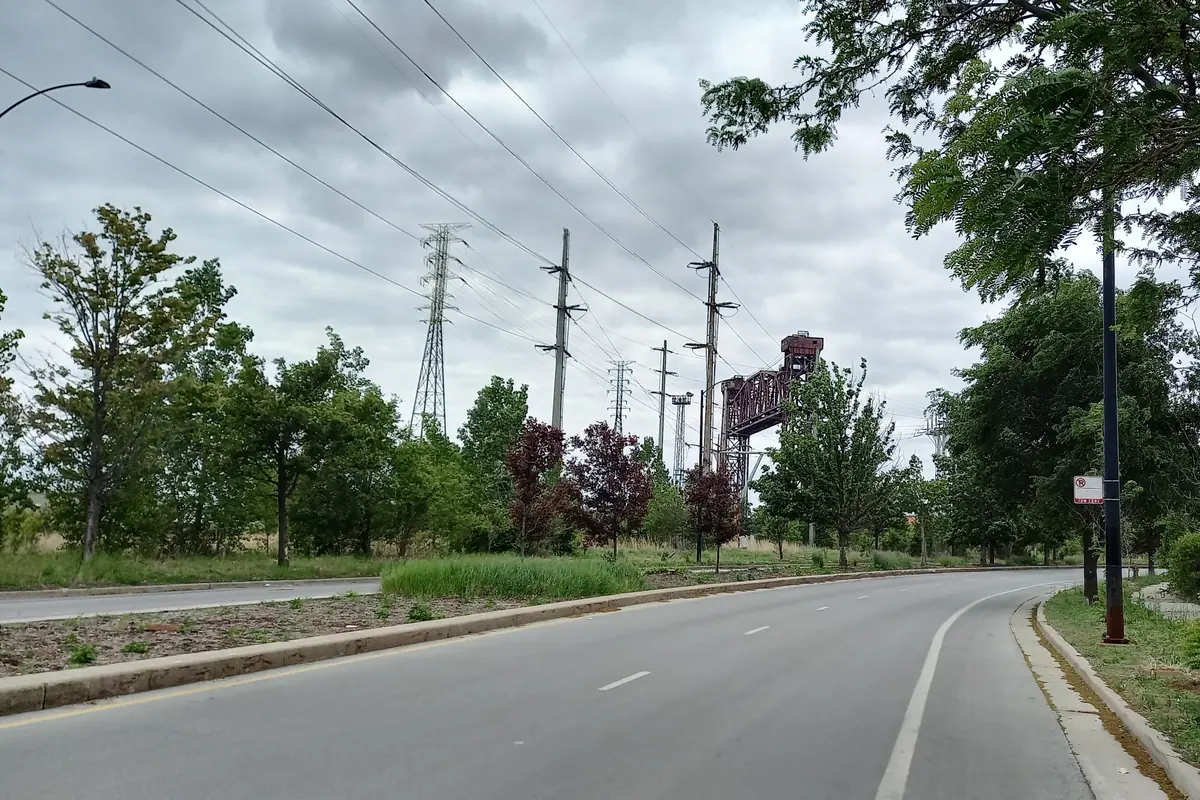
A road curves past trees, power lines and a raised bridge at Chicago’s former South Works site in June 2023.
Lake Shore Drive at Chicago’s former South Works site, June 2023. Archival location context, not current construction.South Works, June 2023 · archival locationAlphaBeta135

Voters in three Chicago precincts opposed taxpayer support for a quantum facility and data center at the former South Works site. The city’s November 15 unofficial update to the November 3 election shows 850 No votes and 246 Yes votes across those precincts. That is 77.6% opposed out of 1,096 votes on the question.[1]

This was not a citywide referendum. The question appeared in the 14th precinct of the 7th Ward and the 2nd and 4th precincts of the 10th Ward. No led in each. The combined percentage is calculated from the three precinct totals, not from all Chicago voters or everyone registered in those precincts.[1][2]

The ballot asked whether governmental bodies in Illinois should spend an estimated $1 billion of taxpayer money to support the facility and data center. That figure is the ballot’s estimate, not an independently verified account of money already spent. The result records an answer to that funding question, rather than a vote on every aspect of quantum technology.[2]

The Chicago Board of Election Commissioners’ advisory-referendum guidance says approval or rejection has no legally binding effect. These returns therefore do not establish that funding has been withdrawn or the development cancelled. They do provide a geographically limited measure of opposition for public bodies weighing the project’s costs and local support. The published counts remain unofficial; certification and any subsequent decisions about funding are separate steps.[1][3]

Keep your reading trail

Evidence & context

3 linked sources

Chicago election board’s unofficial returns, ballot wording and advisory-referendum guidance.

How to read the evidence and dates

An announcement records what an organization stated. An experiment reports an observation. A simulation or resource estimate depends on its assumptions. QubitWire’s analysis connects these sources; the labels are not quality scores.

Published is the article’s first QubitWire publication. Updated marks a substantive content change. Sources checked records a review of the underlying evidence. An older paper can support a new explanation, and another press release about the same work is not independent replication.

For material corrections, check the article’s context note and source trail. A routine formatting or link change does not create a new scientific result.

QubitWire take

A limited local advisory vote records opposition without deciding the project’s legal or funding status.

Sources

  1. Chicago November 3 election: updated unofficial summary results

    The article originally cited the November 14 returns. This update uses the November 15 unofficial report, version D, pages 11–12, for the three precincts that received the question.

  2. Chicago November 3 ballot list, October 27 revision

    Pages 26–27 specify the three precincts and estimated $1 billion question.

  3. Chicago 2026 advisory-referendum guidance

    Section I.B: approval or rejection has no legally binding effect.

READ NEXT

Continue exploring

All Business + Policy stories
  1. Quantum infrastructure / Chicago

    Chicago put a quantum computer behind a street-level window

    IBM’s operational machine at Hyde Park Labs arrives before its permanent campus. Here is what that milestone does, and does not, establish.

    Published · Source report · Sources checked · About 4 min read
  2. Quantum business

    Commerce finalizes up to $100m for Atom Computing

    The quantum-computing award advances a May funding plan, rather than adding another $100 million.

    Published · Source report · Sources checked · About 2 min read