
Diraq brings its silicon-spin quantum computer into an Equinix data centre
The Sydney installation advances a partnership announced in August. The next test is how the machine operates alongside everyday computing infrastructure.
Reading tools for text size, copying, printing and your reading list
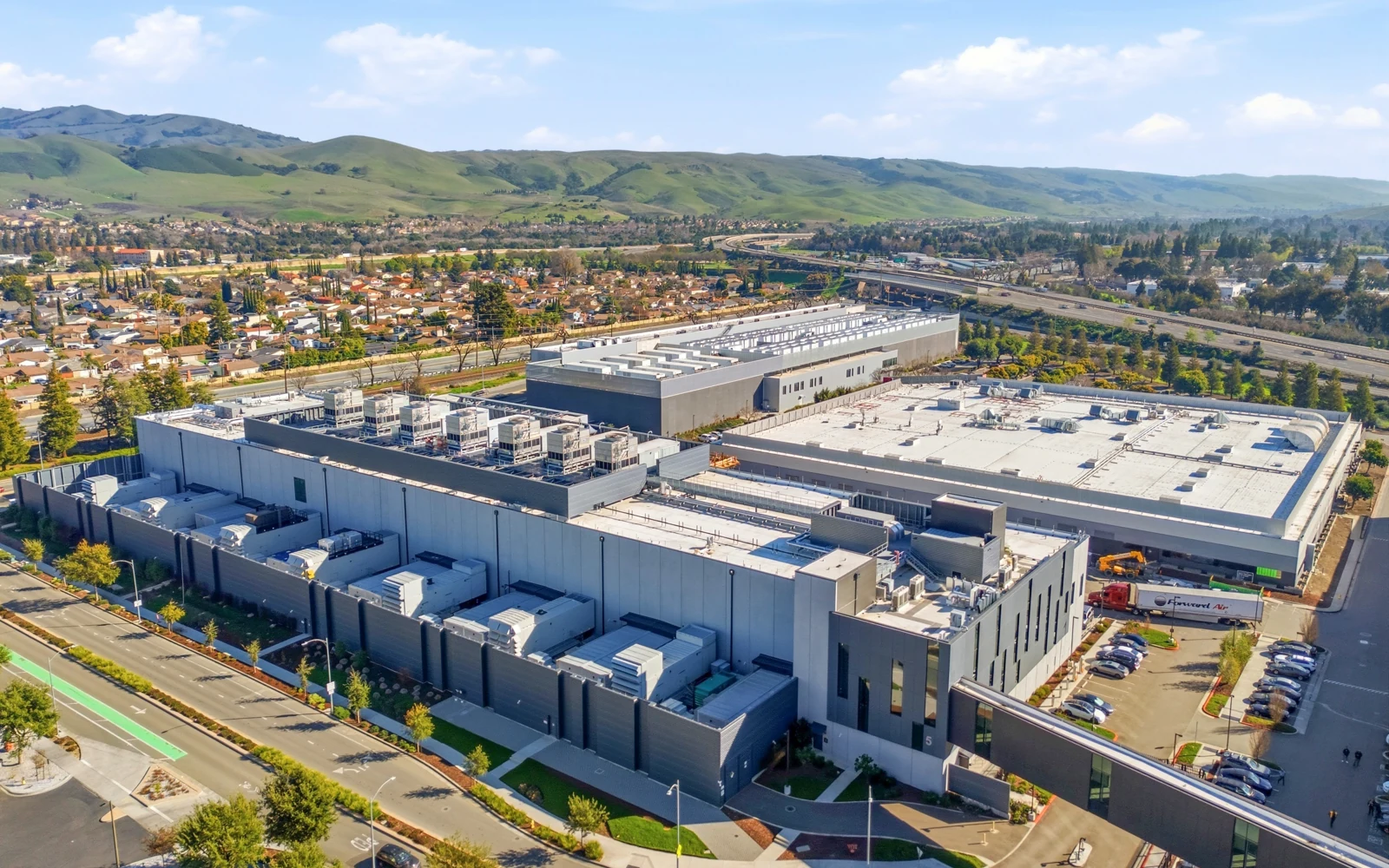

Diraq says its silicon-spin quantum computer, containing eight quantum bits, or , is now operating inside an Equinix data centre in Sydney. The installation advances a project announced in August and gives Diraq a place to test whether its quantum equipment can run reliably alongside conventional computers.[1]
The change is in deployment status. The August 31 announcement already specified an eight-qubit chip, self-contained cooling and control electronics, and power consumption below 20 kilowatts. It set out a programme of testing that included remote monitoring and integration with classical processors. Installation was then expected to finish in October. The new announcement confirms operation but does not give an installation date, so it cannot establish whether that timetable slipped.[2]
On November 9, Diraq said the machine was live and that it was targeting an upgrade to as many as 256 qubits within a year. It describes the system as the first silicon-spin quantum computer installed in a commercial data centre. That first-of-kind description is the company’s claim.[1]
Why silicon is part of the story
Spin-based quantum computing stores information in a particle’s quantum spin state. In the quantum-dot approach, electrons are held in tiny semiconductor structures called quantum dots. Controlling those electrons is how researchers implement operations on individual qubits and pairs. The foundational Loss–DiVincenzo proposal, published in 1998, described quantum gates using coupled single-electron dots. This helps explain why adding dots and making them operate together are separate engineering achievements.[3]
Semiconductor fabrication offers a route to making small, densely packed devices. A 2023 scholarly review identifies their small size, ability to preserve quantum information and access to existing chipmaking infrastructure as attractions of spin qubits. Those properties make the approach promising; they do not establish the performance of a particular installed computer.[4]
Diraq and its collaborators have published relevant device research. A July 2026 Nature Communications paper reported a line of eight electron-spin qubits fabricated using a process compatible with industrial chipmaking. Researchers characterised them in four pairs and demonstrated an operation involving two neighbouring qubits. The paper supplies evidence about controlled devices from a semiconductor process. Its results should not be transferred automatically to the Equinix installation: the deployment announcement does not identify it as the same experimental configuration.[5]
What operating in a data centre can show
The original Equinix collaboration was designed to investigate practical operation, with customer and partner demonstrations to follow testing. That makes the installation useful to watch even without a headline increase in qubit count. Testing whether a machine can be monitored and maintained reliably in a data centre addresses a different question from measuring a device in a laboratory.[2]
The next informative disclosures would describe how consistently the machine stays available, how often it needs adjustment and how reliably it repeats quantum calculations. Comparisons before and after the move would help separate infrastructure effects from changes to the processor. These are questions for future reporting, not results established by the announcement.
The release provides no application benchmark showing an advantage over conventional computing, and it sets out no general customer-access terms. Its 256-qubit goal remains a target. For now, Diraq reports an operating installation, creating an opportunity to measure how its silicon-spin system behaves in a commercial data centre.[1]