
DOE advisers put a quantum user facility on the urgent list
The November 12 recommendation makes scientific readiness a condition, not a result already achieved.
Reading tools for text size, copying, printing and your reading list
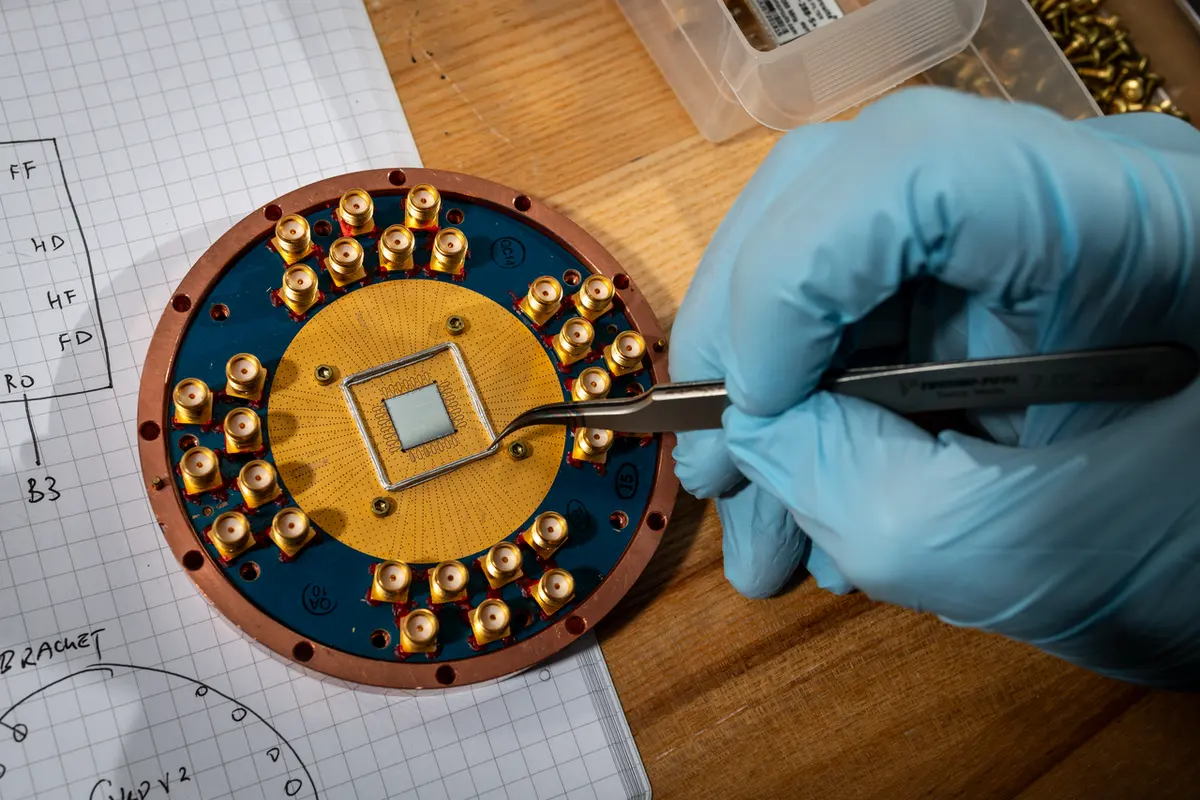
A proposed U.S. quantum computing research facility has made an urgent-priority list for the next decade. But the advisers behind the recommendation attached a condition: the technology must first demonstrate that it is mature enough and scientifically relevant.[1]
The recommendation appears in a facilities report presented to the Department of Energy’s Office of Science Advisory Committee on November 12. It is advice about investment priorities, not an announcement that a facility has been funded or approved for construction.[1][2]
A user facility is shared scientific infrastructure. In DOE’s earlier quantum roadmap, researchers would help develop hardware, control systems and software with technology providers, rather than simply buy access to a sealed commercial service. The aim is to make quantum machines useful for scientific problems.[3]
The new step is where that proposal sits among competing scientific investments. The facilities subcommittee places it in the urgent group for 2027–2036, alongside computing for science, a fusion neutron source and upgrades to automate existing user facilities. Its presentation says DOE and congressional appropriators make the decisions.[1]
The distinction matters. An urgent priority answers where government should focus attention. A readiness milestone asks whether the technology can yet justify moving forward. Those are different judgments: the recommendation does not establish that a useful quantum computer has already arrived.[1]
The facility idea itself is not new. In September, DOE described a sequence starting with scientific challenges involving laboratories, universities and companies, followed by a facility informed by those results. It also said demonstrated scientific usefulness should guide investment across competing hardware approaches.[3]
Read together, the documents put the emphasis on what researchers could accomplish with the machine, rather than on the number of advertised. The next consequential step is evidence that meets the stated readiness conditions, followed by an actual investment decision.[1][3]