
Quantum diplomacy report asks who will benefit from access to the technology
A new public explanation brings an earlier governance report to a wider audience.
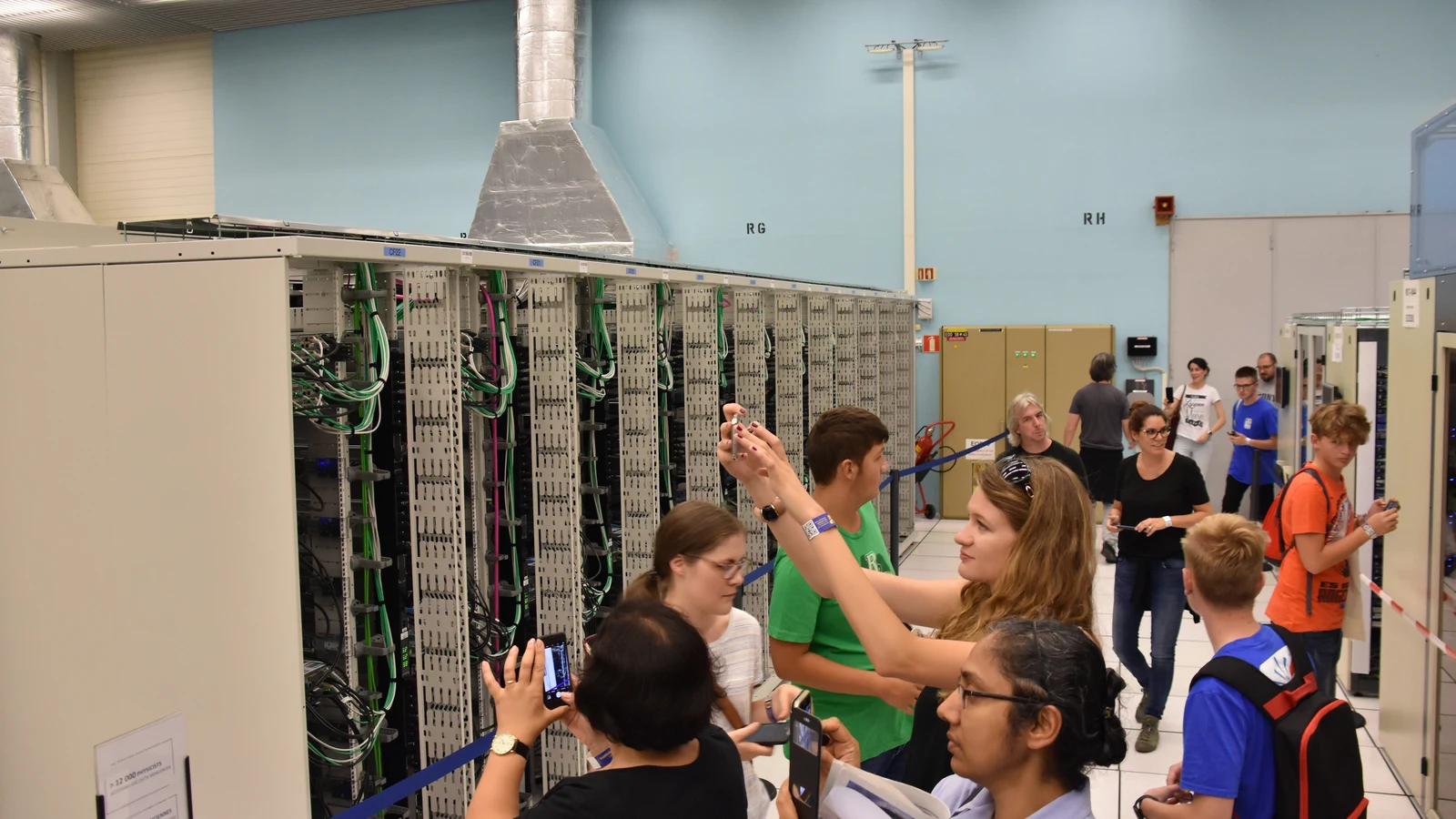

GESDA and the Open Quantum Institute are highlighting a report on how quantum-computing benefits could be shared more widely. GESDA's October 27 explanation points to work on intellectual property, unequal access, environmental effects and security. The report first appeared on October 14. CERN lists an updated version dated October 20.[1][2][3]
The publication draws on diplomatic discussions held in May. It proposes areas for collaboration rather than announcing a treaty, a binding standard or a newly demonstrated quantum application.[1][3]
Editorial interpretation
The practical question is what meaningful access should include. A hardware account alone does not tell an organization whether it has the expertise, training or resources to use that access well. Nor does participation in a program establish that a quantum method has improved an outcome.
For readers following quantum policy, the report offers a framework for asking who can participate, how results will be evaluated and how useful practices can be shared. Its impact will depend on the concrete programs and commitments that follow.
Learn: Define access before measuring quantum benefit
Access to quantum computing has several layers. An organization may be allowed to create an account, receive enough computing time to run a project, have the skills to use that time or possess the resources to act on what it learns. These are different outcomes, and a policy initiative can improve one before the others follow.
The GESDA and Open Quantum Institute discussion of inclusive access is a useful starting point for asking how those outcomes should be measured. An access program can have public value through education and participation even before any application demonstrates a computational advantage.[1]
Worked example
Hypothetical example: 50 institutions receive platform accounts. Ten run a complete exercise, four compare their results with a classical baseline and two reproduce another team's work. All four counts describe something real about the imagined program. Reporting only the number of accounts would miss the depth of use. Reporting only the two reproductions would miss the breadth of the initial opportunity.
A practical evaluation should follow the path from permission to capability. Are participants able to obtain support, use suitable tools and continue after an introductory event? Can they bring problems that matter locally? Are datasets, documentation and useful outputs accessible to the people who need them?
Technical performance belongs in the evaluation as well, but it answers a separate question. A successful training exercise does not demonstrate that quantum hardware has outperformed a classical method. A difficult benchmark does not determine whether a program built durable local expertise.
The strongest coverage connects stated goals to appropriate measures. For participation, examine who gains meaningful access. For learning, examine what participants can do afterwards. For applications, examine the quality and practical value of the results. Keeping those measures explicit helps readers assess governance proposals without turning either broad participation or a promising technical demonstration into a claim about every possible social benefit.