Madrid is planning to put a quantum computer within reach of researchers and students. Telefónica and IQM announced on October 23 that an IQM Spark system is intended for Universidad Politécnica de Madrid before the end of 2026. The partners describe access for universities, hospitals, research centres and start-ups. They do not say the installation is already operating.[1]
Spark is IQM’s five- system for research, education and early development. That purpose matters. A teaching platform does not need to solve a commercially valuable problem faster than a supercomputer to offer useful hands-on experience. Equally, an announcement about access is not evidence that such a performance advantage has been achieved.[2]
The partners call it the first system of its kind in the Community of Madrid and their third joint system in Spain, following two for CESGA. Those are the partners’ descriptions, not an independent census of every quantum machine in the country. Installation, acceptance and routine operation remain separate milestones.[1]
What would make the project useful to a prospective user? A clear access policy would help: who is eligible, how bookings work, which experiments are supported and how outside teams can propose projects. The announcement describes intended beneficiaries, but it does not yet answer those practical questions.
Training deserves evidence of its own. Courses using the system, completed student projects and published experiments could show what local ownership adds. Those are useful measures for future reporting, not outcomes already established. A small research machine can matter because people learn to calibrate and control it, rather than because its qubit count wins a comparison.
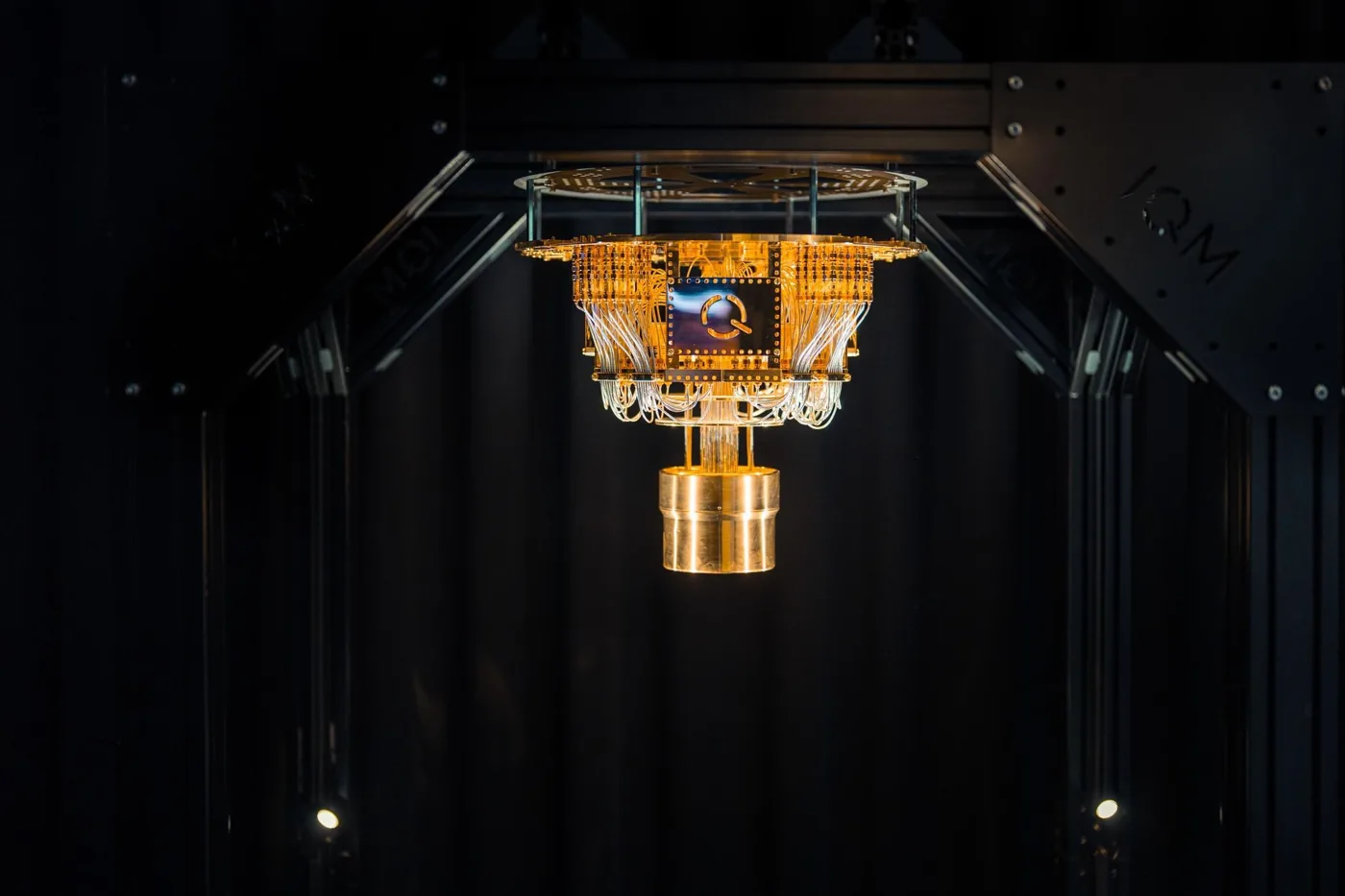
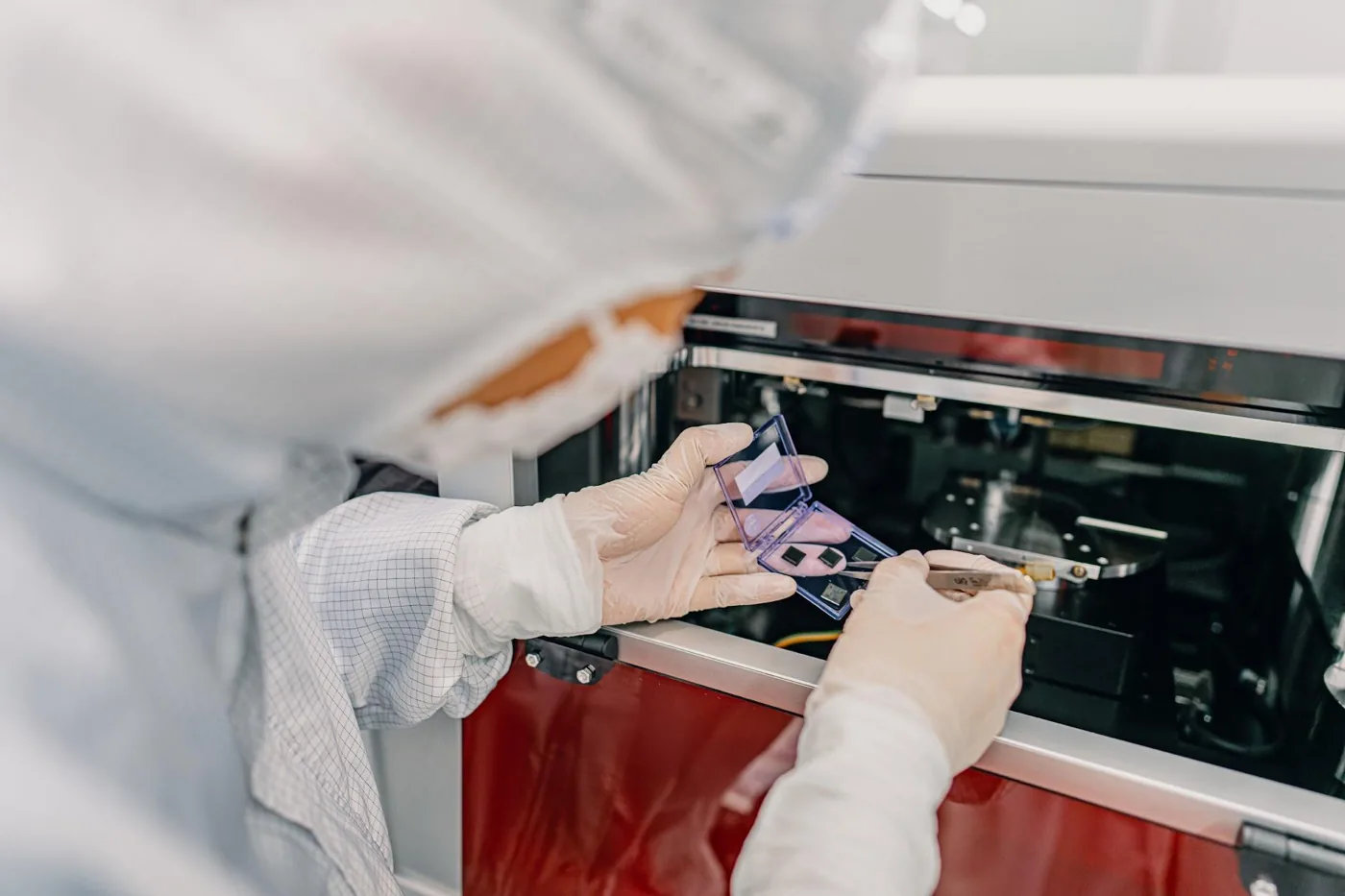
The next reportable step is delivery and operational acceptance, followed by actual access. QubitWire will keep the planned installation separate from a delivered result. The accompanying photographs show existing IQM hardware and laboratory work. They explain the engineering context; none depicts the future Madrid installation or proves how that system will perform.[1][2]