
The U.S. Is Betting Up to $375 Million on Quantum’s Factory Problem
A milestone-based GlobalFoundries award puts fabrication, packaging and domestic supply chains at the center of the quantum race.
.jpg)
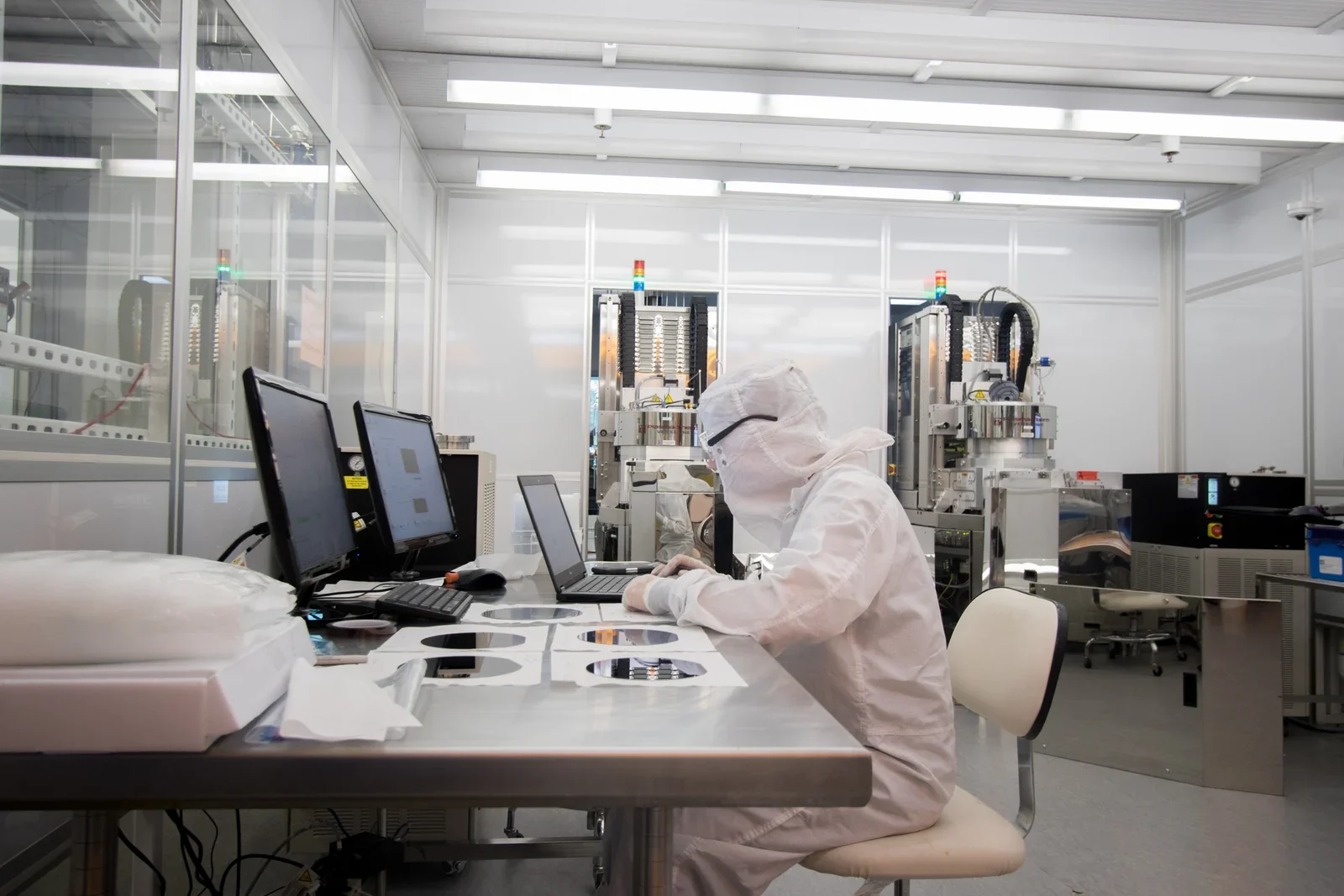
The next quantum bottleneck may look more like a factory than a physics experiment. GlobalFoundries announced on September 8 that it had finalized an agreement with the U.S. Department of Commerce for up to $375 million in research-and-development funding for its Quantum Technology Solutions business.[1]
The money is conditional. GlobalFoundries is eligible to receive it over five years as specified milestones are achieved; the announcement does not mean $375 million has already been paid. The program is intended to help quantum companies move from research prototypes toward domestic commercial-scale manufacturing.[1]
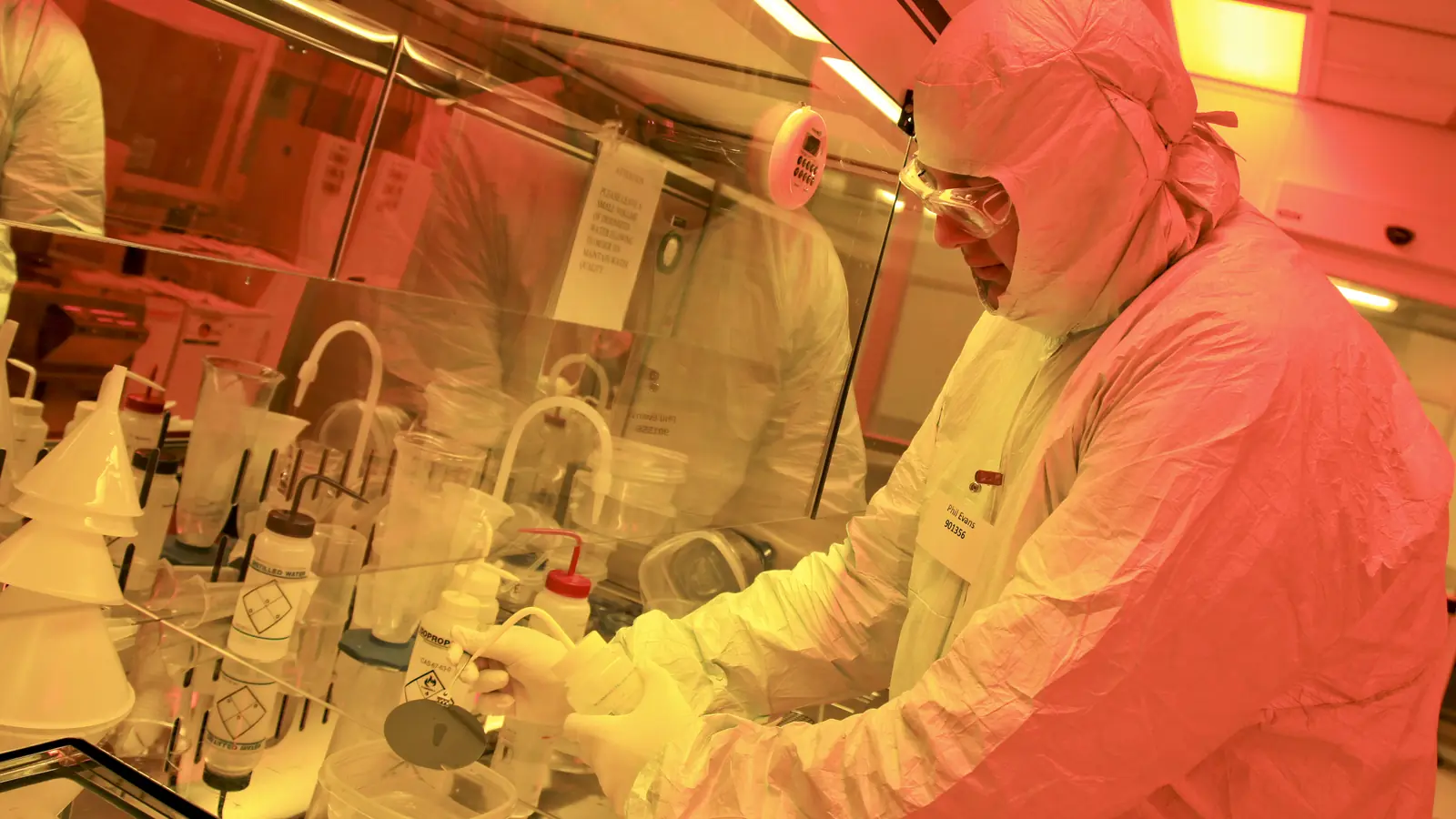
A foundry makes chips for other businesses. In quantum computing, the challenge includes producing delicate devices consistently, connecting different components and supplying electronics that work at extremely low temperatures. GlobalFoundries identifies cryogenic control technology, advanced packaging and integration as areas of focus. Those are enabling capabilities, not proof that a useful quantum computer has been built.[1]
.jpg)
There is a financial-policy angle too. When it launched the quantum business in May, GlobalFoundries separately announced an agreement giving the U.S. government an equity interest of approximately 1% at that time. That helps place the award within Washington’s expanding role in quantum funding, rather than treating it as an isolated research grant.[2]
The manufacturing bet is that many different quantum designs will need reliable production partners. Whether it pays off will depend on meeting the award’s milestones and turning customer prototypes into repeatable processes. The meaningful result will be usable manufacturing capacity, not simply the size of the funding headline.