
IonQ Says Its Next Quantum Computer Can Be Built by the Hundreds
Superion 256 turns the spotlight from qubit counts to production costs, factory capacity and the deliveries promised for 2027.
.jpg)
Quantum computing has spent years proving that unusual machines can work. IonQ’s latest pitch is about making them repeatedly. On September 8, the company introduced Superion 256, a sixth-generation trapped-ion platform it says is designed to be built “by the hundreds,” with customer deliveries planned for 2027.[1]
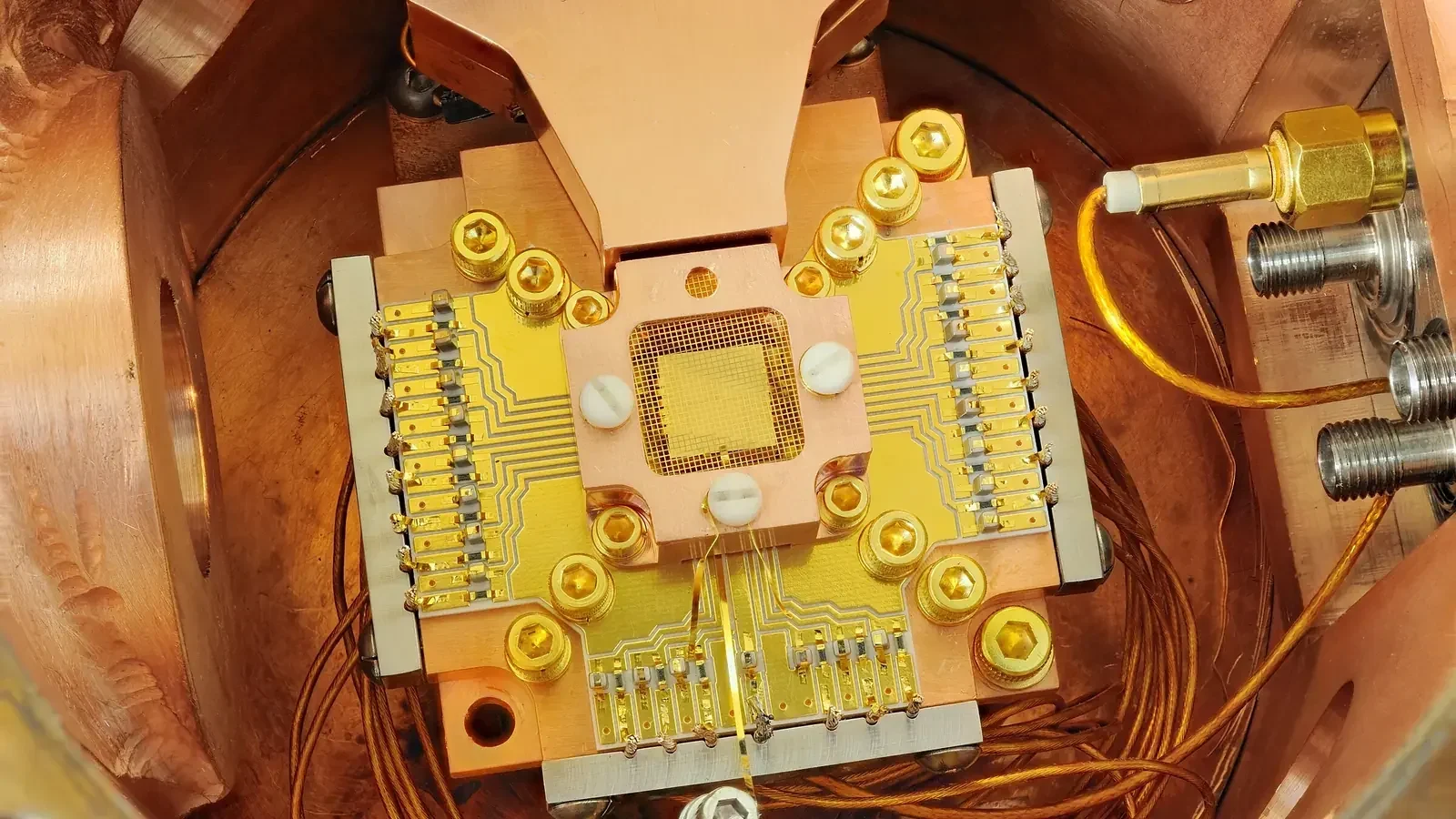
There is hardware behind the announcement: IonQ says SkyWater has fabricated the first 256-qubit processing chips and that prototype systems have trapped their first ions. Those are development milestones. They do not establish that hundreds of complete machines are already operating or that the platform is fully fault tolerant.[1]
The economics are more ambitious. IonQ projects that its shift toward electronic control will reduce cost per qubit by more than 300 times across its roadmap. That is a future platform claim, not a measured saving from shipping Superion systems. also are not interchangeable with protected logical qubits.[1]
.jpg)
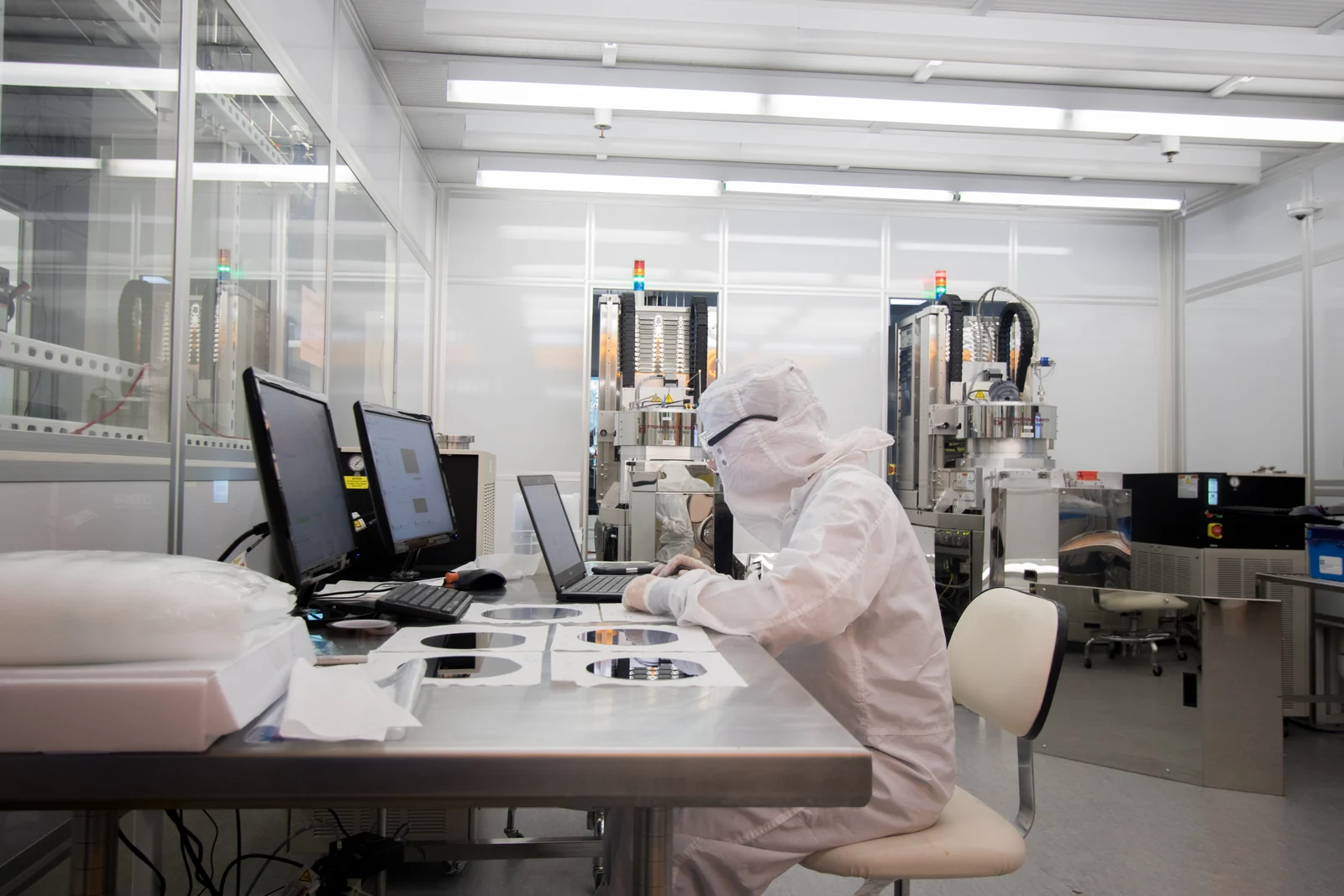
The company’s SkyWater acquisition makes the factory angle concrete. IonQ raised its 2026 revenue outlook to $450 million–$460 million after including the foundry’s contribution from July 31. That combined figure measures a broader business, not quantum-computer sales alone, so comparisons with earlier guidance need to account for the acquisition.[2]
For buyers, repeatable assembly, maintenance and reliable delivery matter alongside performance. Superion’s next test is whether the promised machines arrive and perform on customers’ workloads. Building a chip, shipping a computer and delivering an economic advantage are separate milestones, even when they appear on the same roadmap.