
This Quantum Experiment “Teleported” a 100-Pixel Q
Researchers transferred an image through 100 separately addressable optical modes, testing how quantum state transfer can operate in parallel.
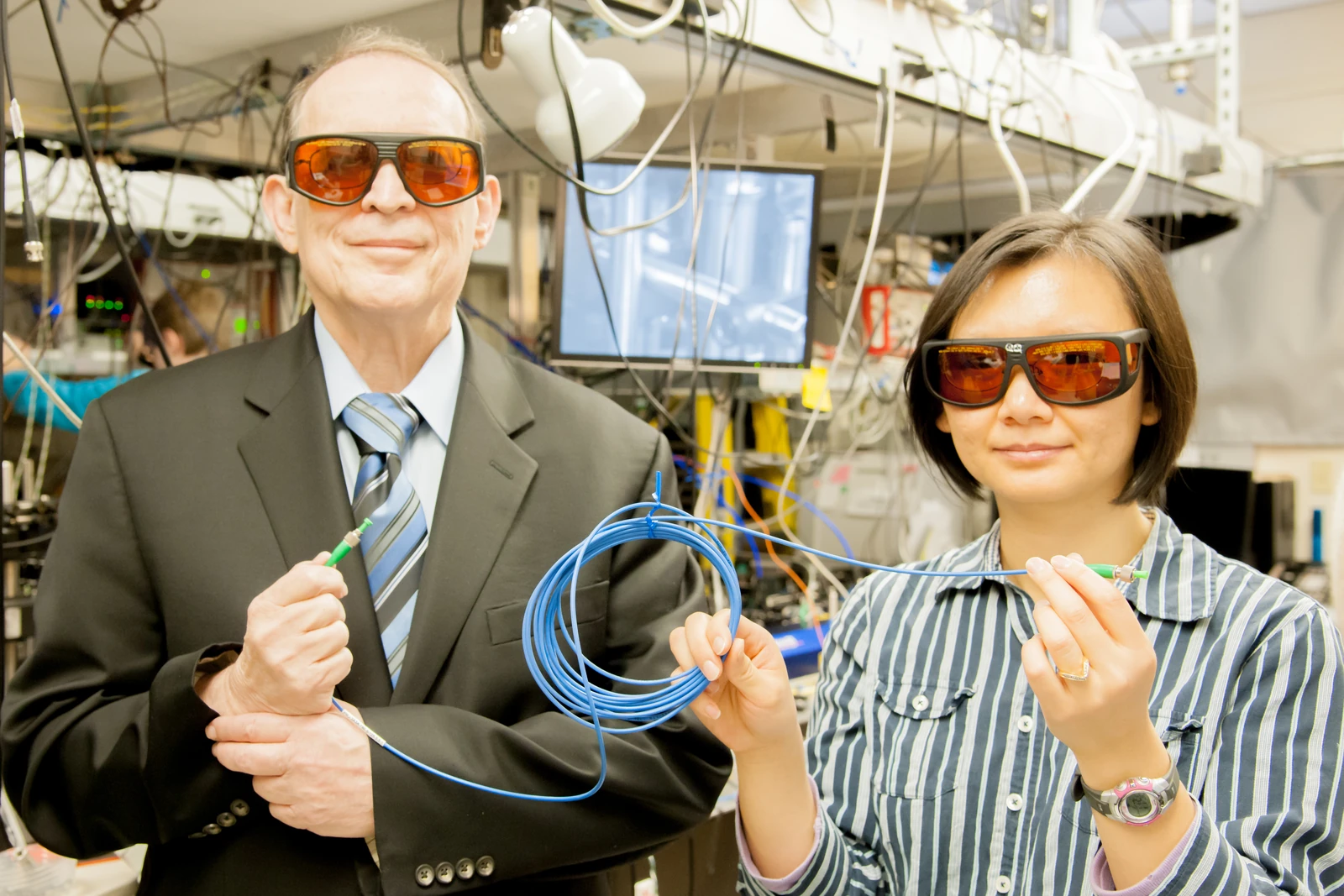

A letter Q made from a grid of light has become a compact demonstration of an ambitious networking idea: transfer many quantum states in parallel while retaining control over the individual channels.[1][2]
Researchers at East China Normal University and collaborating institutions reported a reconfigurable experiment with 100 independently addressable optical modes. Their paper appeared in Physical Review Letters on August 20. Among the demonstrations was a 100-pixel image, with reported transfer fidelities above the corresponding classical limits.[1][2]
Quantum teleportation transfers a quantum state using a shared quantum resource and supporting operations. The protocol transfers the state rather than transporting its original carrier, and it cannot send a message faster than light. Supporting operations are part of making the transfer work.
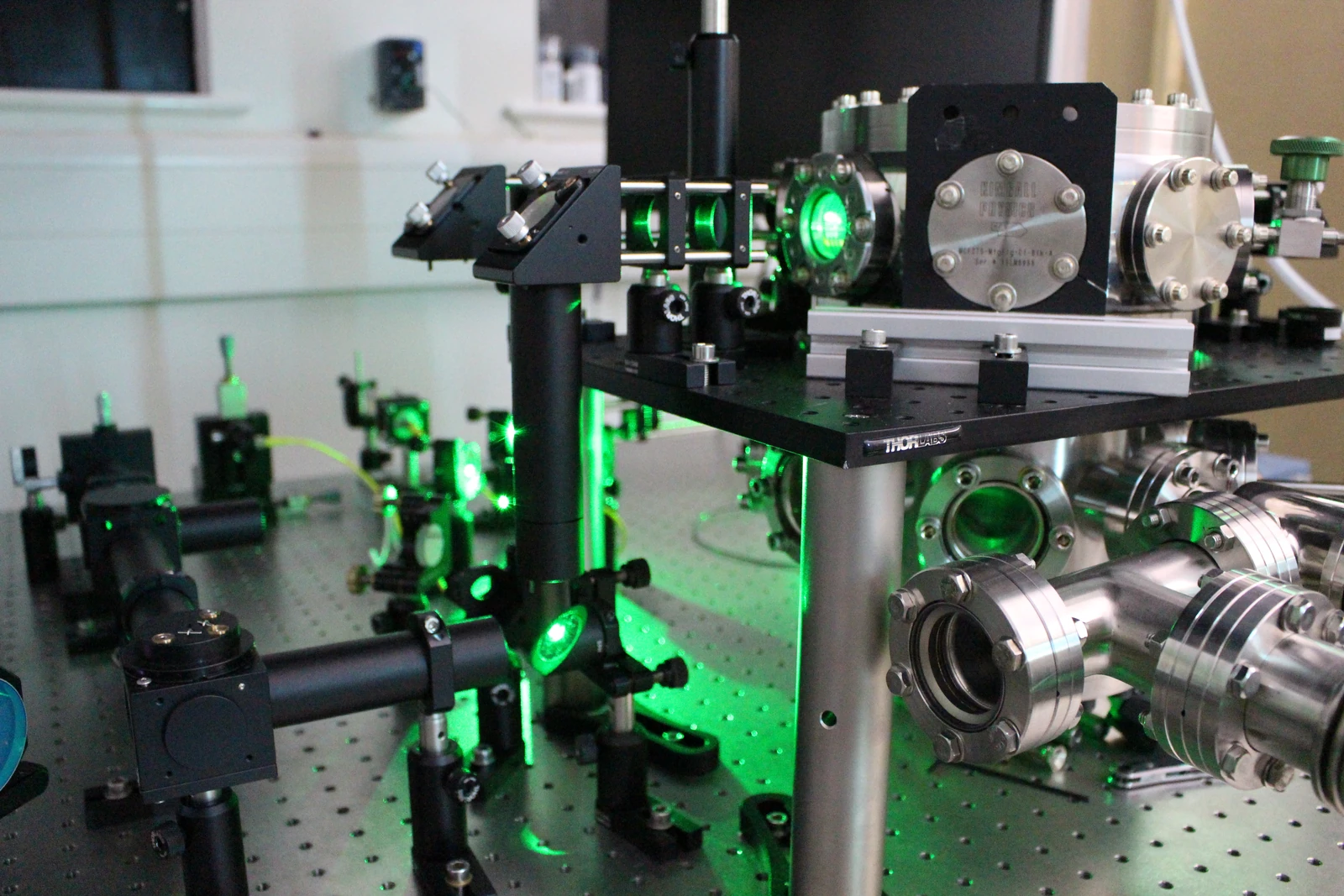

Here, programmable optical encoding and an all-optical feedforward method allowed parallel state transfer across the array. A useful analogy is a switchboard: being able to select separate channels and operate them together gives a network more flexibility than handling every transfer through one fixed path.[1][2]
The important comparison is how faithfully the system transfers states across its addressable channels. Ordinary image resolution measures something different. The small Q makes the operation visible, but the experiment’s significance comes from coordinating the optical modes while satisfying the quantum protocol.[1][2]
This was a laboratory demonstration. Channel count, transfer fidelity, distance and operating rate each describe a different part of network performance. Moving to longer links and integrating other devices would require further tests of those properties together.
The result gives quantum-network researchers a concrete approach to parallel operation. The next step is to examine how the architecture behaves as the workload and network become more demanding: how many transfers succeed, how quickly they complete and how well the output states are preserved.
The Q is a memorable picture of a larger engineering task: coordinating many delicate transfers into a system that can do useful work.