NASA Researchers Want to Give Quantum Networks a “Ready” Signal
A new theoretical design tackles a basic problem: knowing when a useful pair of entangled photons is available.
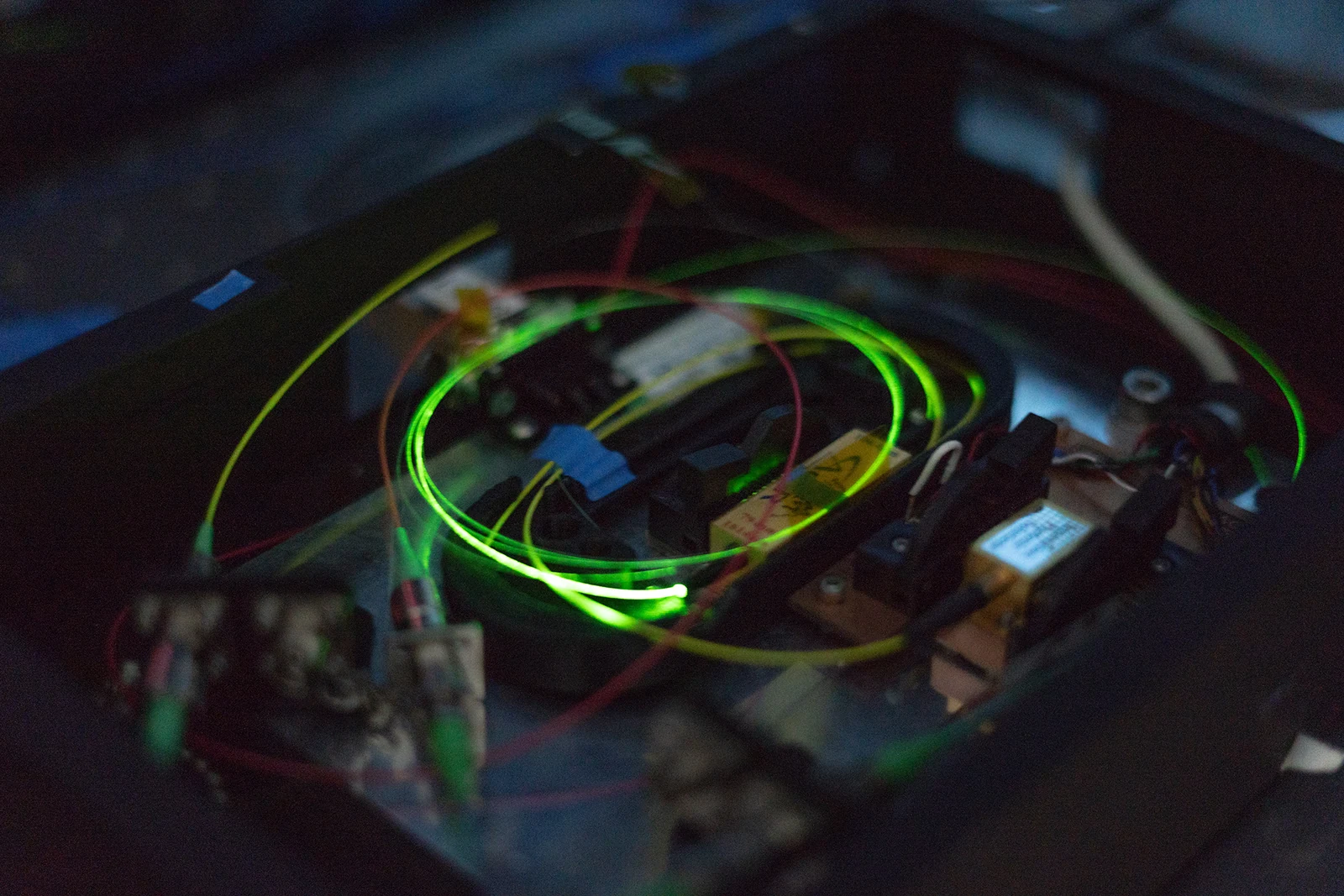
Imagine trying to run a network without knowing when its most important resource is ready. That is one of the practical headaches behind distributing quantum .
A paper published on September 8 by researchers at NASA Glenn and the University of Maryland explores a more economical way to flag usable entangled photon pairs. The proposed method is called double heralding.[1]
The useful part is the notification
In quantum optics, a herald is a detection event that tells the experiment something useful has been prepared. It is more like a readiness notification than a message carrying the contents of a quantum state.
The new analysis compares its design with particular earlier photon-source proposals. For specified output rates and quality, the authors find a route that needs fewer source and detector resources. Their calculations include imperfect detectors rather than assuming flawless equipment.[1]
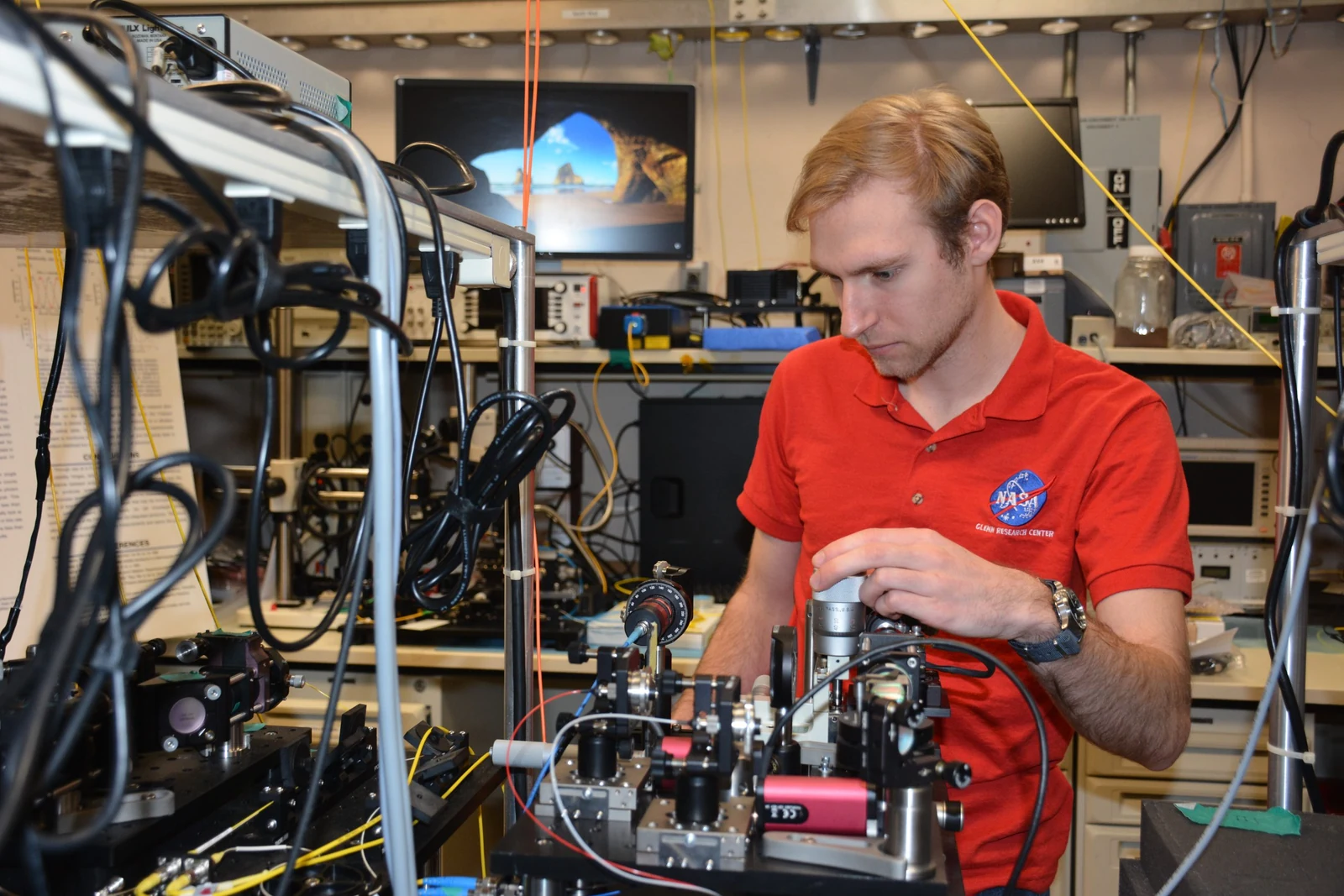
A blueprint—not a new internet
This is theoretical work, not an announcement that NASA has launched a quantum internet or built the proposed integrated chip. The route from an attractive design to reliable hardware remains the important test.[1]
A quantum network would also complement, rather than simply replace, the internet people already use. Its purpose is to connect quantum capabilities, not make ordinary web pages arrive faster than light. That makes a better readiness signal an unusually sensible place to focus. Before a network can do something remarkable with entanglement, it needs a dependable way to know when that resource is actually available.[2]