
Light searches for better answers inside a glass chip
A quantum-inspired experiment explores mathematical landscapes with classical light. Preparation costs remain part of the computing problem.
Reading tools for text size, copying, printing and your reading list
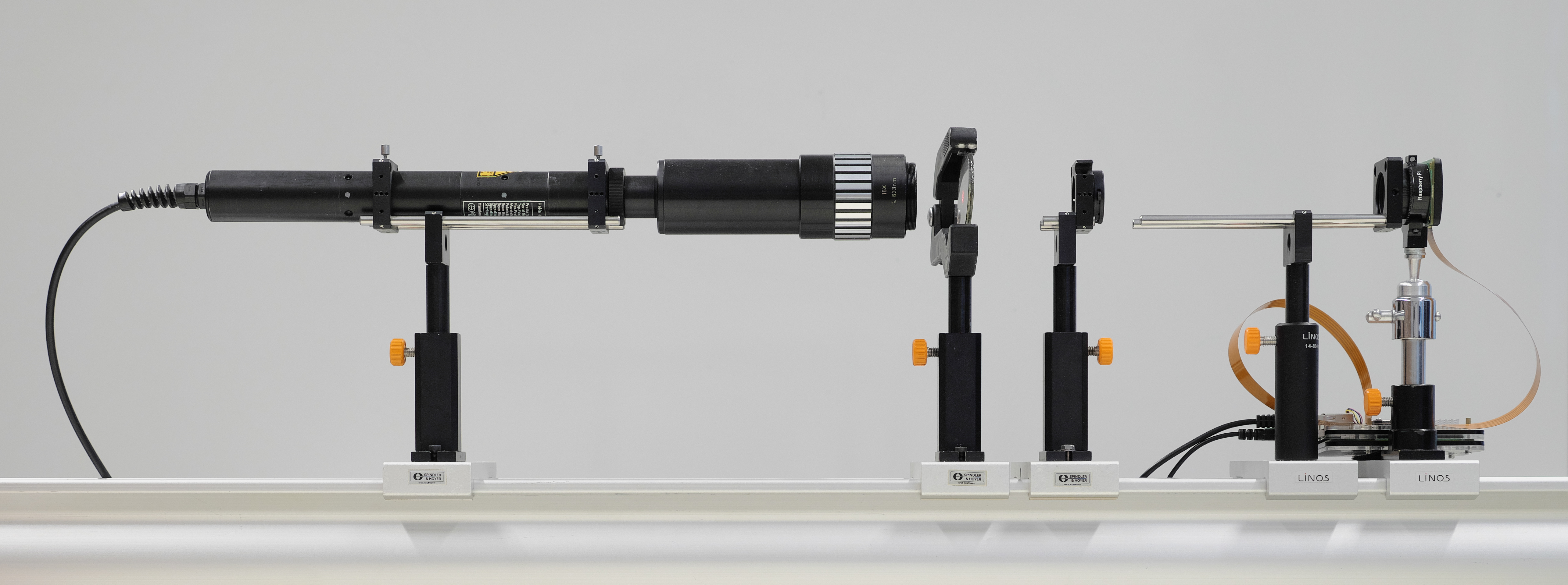
Researchers have used light travelling through a glass chip to explore a mathematical problem with several possible answers. Their November 12 preprint, not yet peer reviewed, shows an optical way to search for low points in a deliberately constructed landscape.[1]
The experiment is inspired by quantum tunneling, but it uses coherent classical light. It does not establish a practical quantum-computing speedup.[1]
Optimization often resembles finding the lowest valley in uneven terrain. A downhill search can settle in a nearby depression without discovering a better one farther away. A 2023 theoretical study examined whether quantum tunneling could help cross particular barriers. Its results concerned specified landscapes and assumptions, not a universal shortcut for difficult problems.[2]
In the new experiment, laser-written light-guiding channels encode the landscape. Measured light patterns highlight low points; one test concentrates light near the lowest point.[1]
The comparison with software requires care. Software iterations and optical propagation distance were rescaled for illustration. The paper explicitly says the measurements cannot establish an end-to-end speedup.[1]
There is also a cost before the light enters. Making a chip took approximately five to ten hours, and changing the sampled problem generally requires another fabricated array.[1]
That distinction matters when evaluating optical computing: finding a promising answer is one task; accounting for preparation, measurement and all competing costs is another.
A useful next test would combine a reconfigurable device with a complete, matched-cost comparison against software.