
Why Finland’s Quantum Roadmap Aims for Nine Logical Qubits.
The LUMI-IQ plan is a reminder that the quality of quantum information matters as much as the headline qubit count.
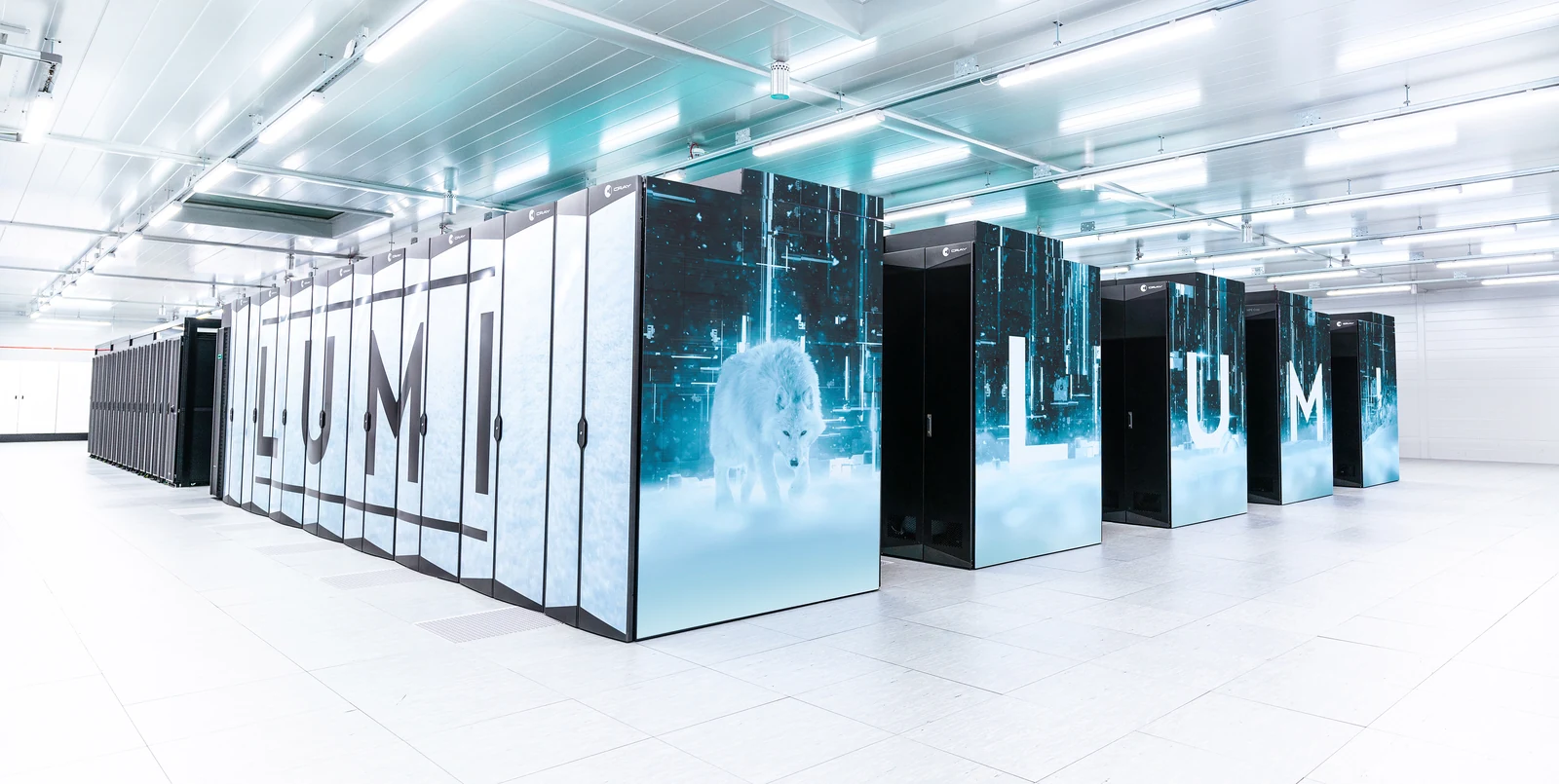
In a field fond of announcing larger and larger qubit counts, a roadmap ending at nine might sound modest. The important word is not nine. It is logical.
On September 10, IQM outlined a staged upgrade path for LUMI-IQ, a quantum system planned for CSC’s new data centre in Kajaani, Finland. The plan starts with a 150- Halocene H4 system in 2027. A 2028 upgrade targets improved , followed by a Halocene H5 installation in 2029 capable of computations with up to nine .[1]
The two counts measure different things
A physical qubit is part of the underlying hardware. A logical qubit is an encoded unit protected using quantum error correction. Combining hardware into protected information can therefore produce a smaller count with a different purpose: keeping a calculation usable for longer.[1]
That is why comparing qubit counts without reading the labels can be misleading. The sensible question is what operations the protected system can perform, at what error rate and for how long.

A roadmap, not a delivery announcement
LUMI-IQ is intended to join the LUMI-AI computing environment, pairing quantum capabilities with conventional high-performance computing and AI. The delivery dates and capabilities are future commitments, not hardware already installed and operating as described.[1]
The practical test will be whether those pieces work together usefully. A milestone matters more when researchers can access it, run a meaningful workload and check the result than when it merely makes a larger number available for a headline. Nine is not the finish line for quantum computing. In this plan, it is a proposed step towards information that can survive the work it is asked to do.