
Quantum Computers May Join Supercomputers, Not Replace Them
A new Alice & Bob and CEA collaboration is about making different machines work together, not declaring a winner.
.jpg)
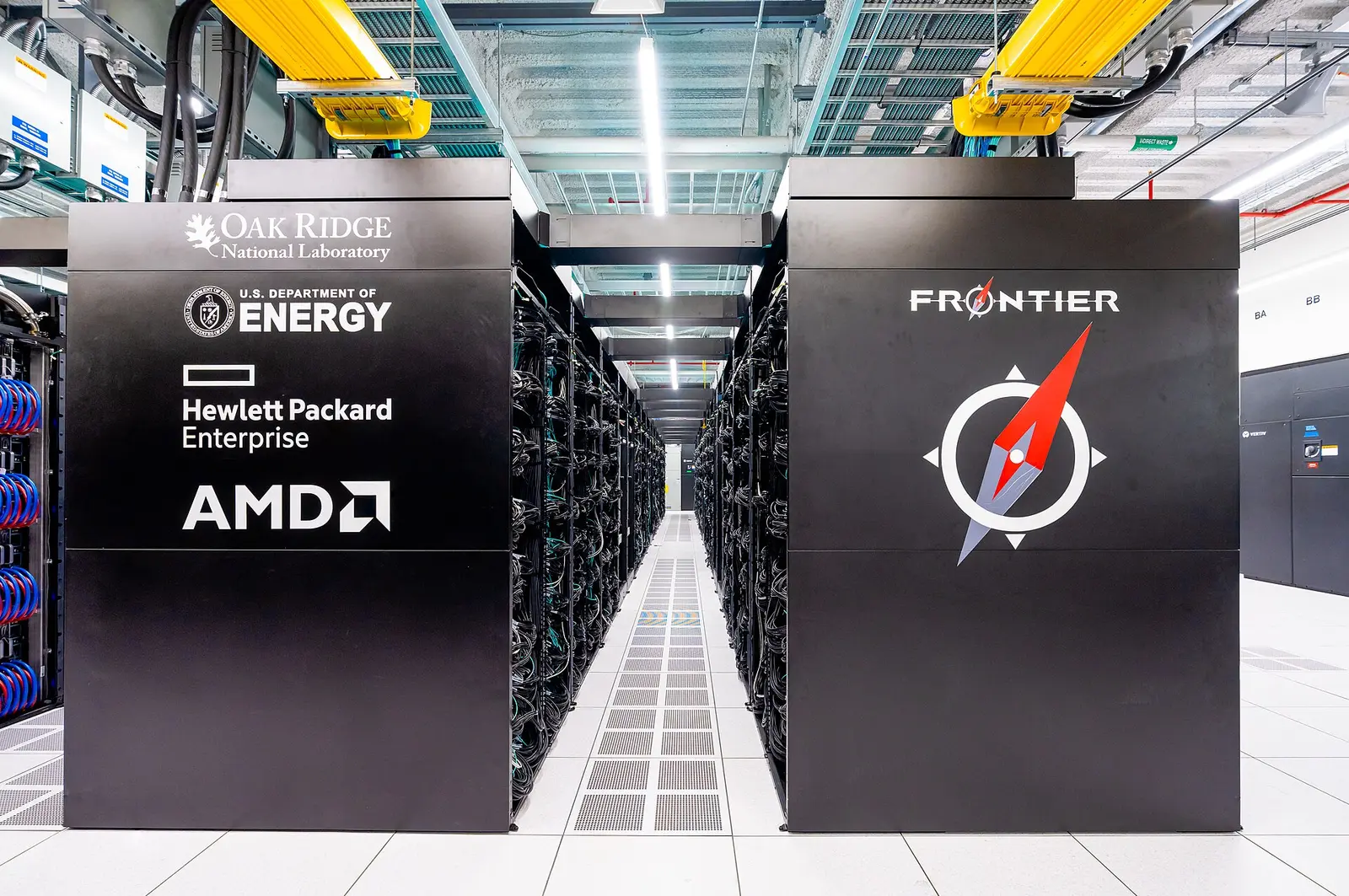
The future of quantum computing may look less like replacing a supercomputer and more like adding a specialist to its team. A collaboration announced on September 17 by Alice & Bob and France’s CEA puts that idea at the center of the story.[1]
The partners plan to integrate Alice & Bob’s software into hybrid high-performance-computing workflows through Bull’s Qaptiva platform. Alongside that work, they will investigate many-body physics applications for early fault-tolerant systems around 2030. That date is a research target, not a promise of useful commercial machines arriving on schedule.[1]
.jpg)
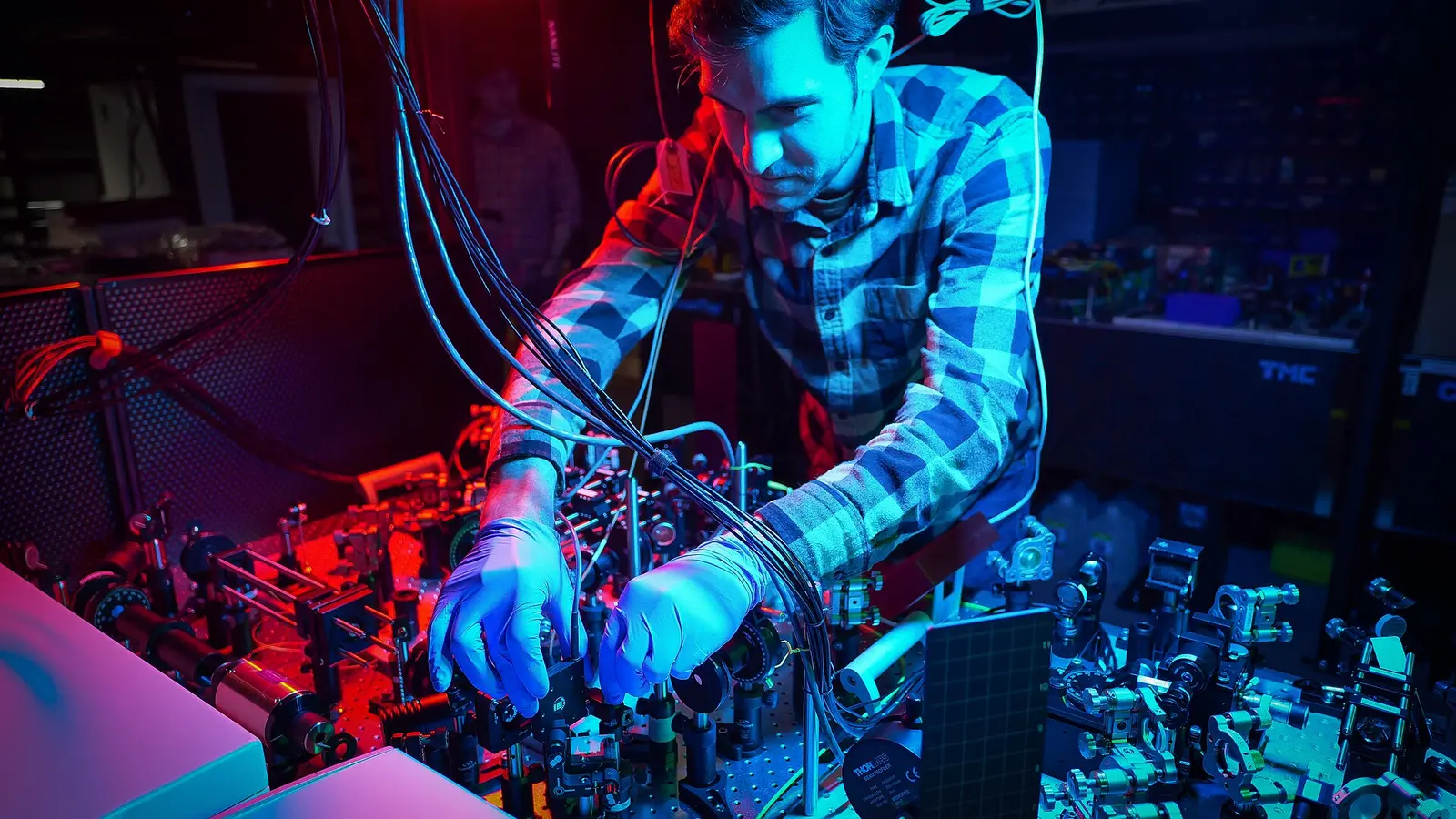
A hybrid workflow divides the work. Ordinary processors handle the parts they are suited to; a quantum processor is called for a particular subtask. The challenge is making the handoff useful rather than expensive. Moving data, preparing jobs and checking results all count when deciding whether the combined system is actually better.
Think of a hospital bringing in a specialist rather than replacing the whole hospital. The comparison is about organization, not medicine: a specialist is valuable only when the right cases reach them and the rest of the institution can use what comes back. Computing infrastructure faces a similar coordination problem.
.jpg)
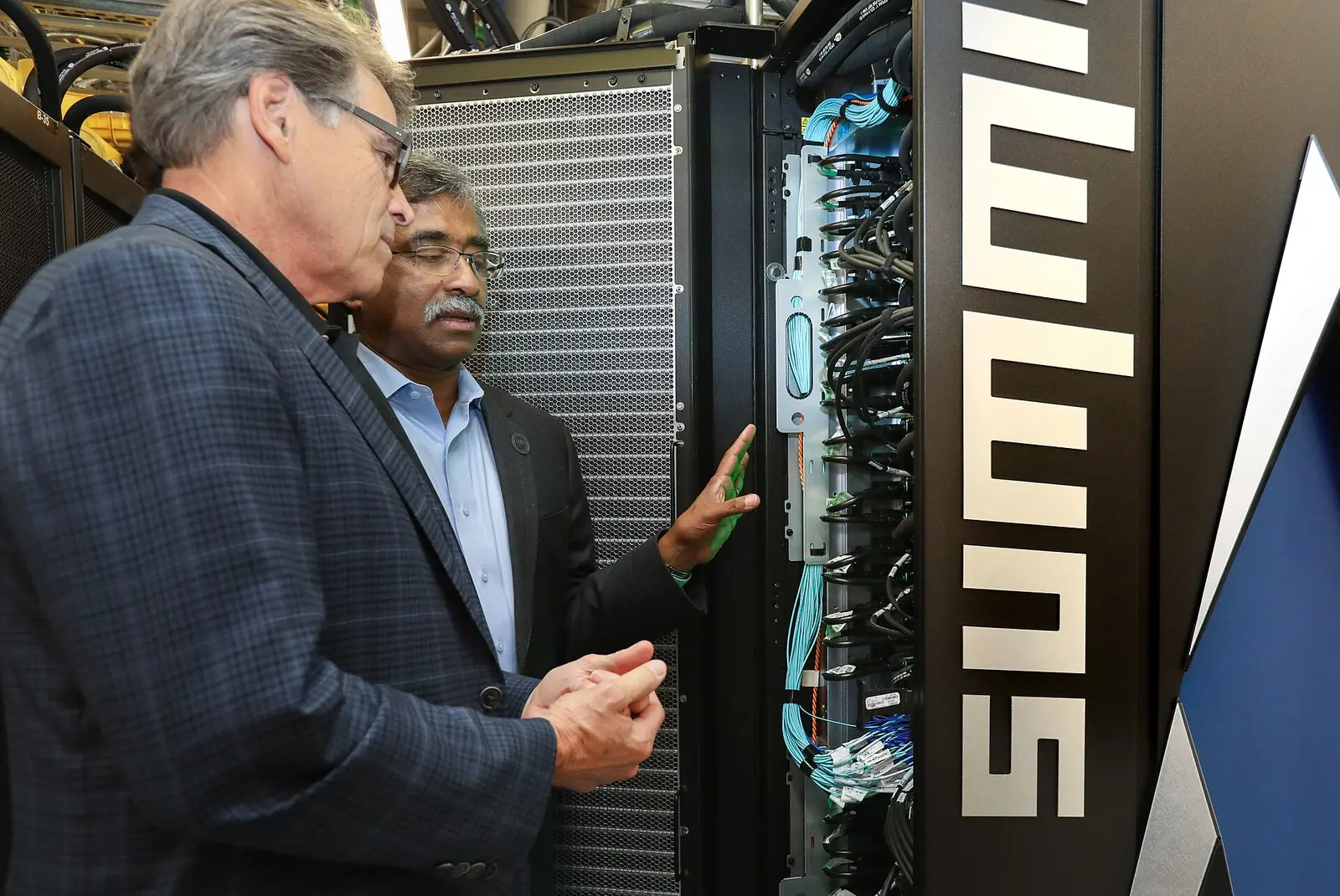
This is also why software deserves attention alongside the hardware photographs. A more capable processor still needs a usable route into a scientist’s daily workflow. If every experiment requires a bespoke chain of scripts and manual transfers, the headline specifications tell only part of the story.
The announcement does not establish a quantum speedup, a completed integration or a finished fault-tolerant machine. It identifies a problem the partners intend to tackle. The result to watch is a reproducible end-to-end workload, compared fairly with a classical alternative. The interesting future is not necessarily quantum versus supercomputing. It may be quantum earning a useful place inside it.