
UKRI Opens £17 Million Call for Quantum, AI and Supercomputer Workflows
The funding opportunity asks teams to show how an entire application benefits, with a defined end user and credible classical comparisons.
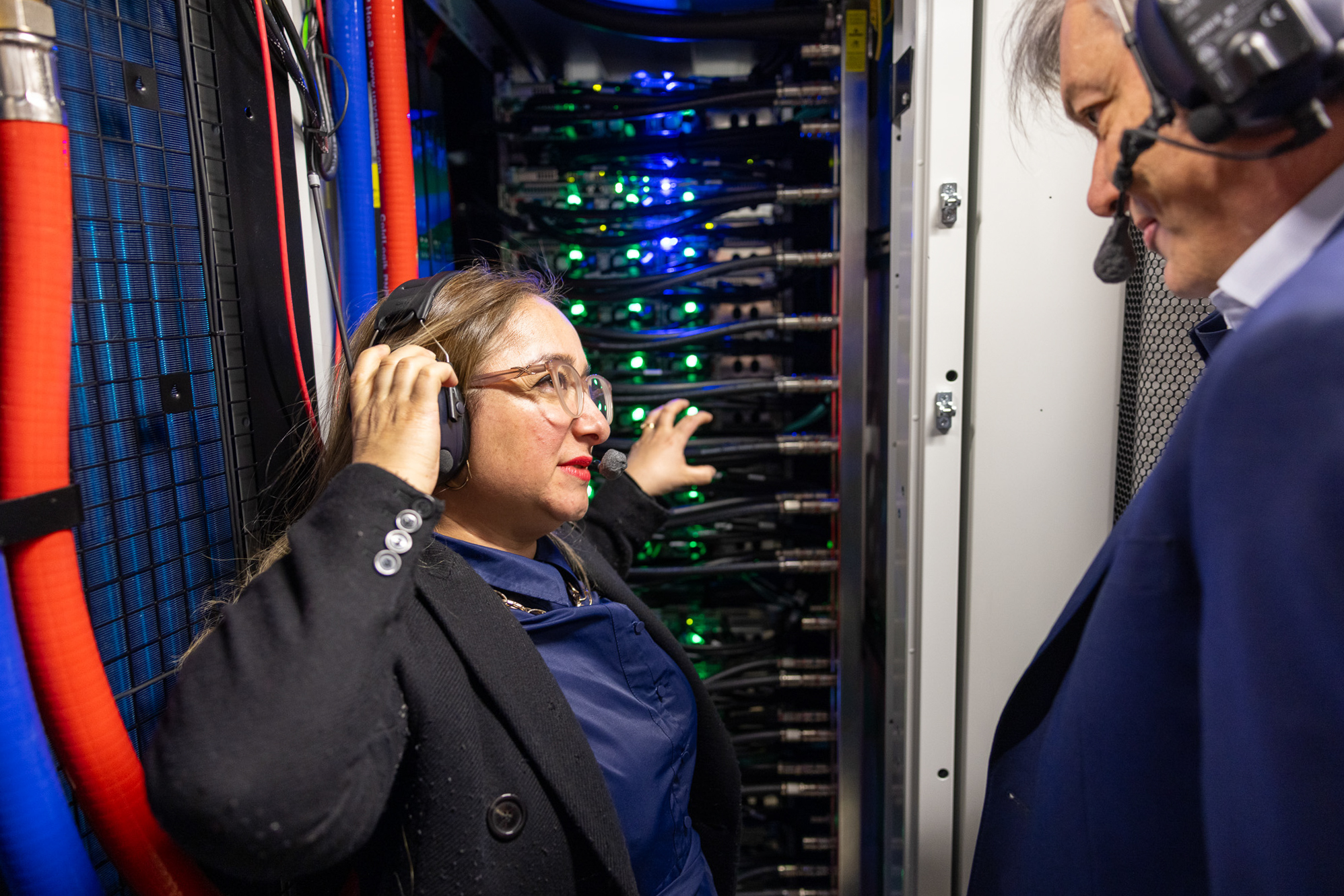

UK Research and Innovation's £17 million call asks teams to make quantum computing useful across a complete application, not just a fast subroutine. Opened September 4, it requires quantum computing to be central, a defined application and collaboration with a specified end user.
The scope includes scheduling, data encoding and error handling, with reproducible comparisons against strong classical, simulation and AI-assisted baselines. Teams are expected to build demonstrators and identify benefits in time, accuracy, cost, energy or usability. The call follows the National Quantum Strategy's emphasis on combining quantum, high-performance computing, AI and cloud services.
Applications close at 4 p.m. UK time on November 3. Projects may have a full economic cost up to £3.75 million, with EPSRC funding 80%, and run for up to three years from a fixed June 1, 2027 start. The lead must be based at a UK research organisation eligible for EPSRC funding.
UKRI also expects at least 1:1 matched support from public or private sources over each project's lifetime; cash and in-kind contributions qualify. Funding remains subject to full business-case approval. These conditions describe an open competition, not an awarded grant. An applicant's case therefore needs to cover the entire job, from input data to a result the end user can use. It must explain why quantum belongs in the workflow and offer a credible comparison. An award would fund testing that case, not establish quantum advantage.