
The $215 Million Quantum Race Is About Finishing the Calculation
DOE plans up to $215 million for protected qubits and long computations, with scientific demonstrations and verification central to the program.
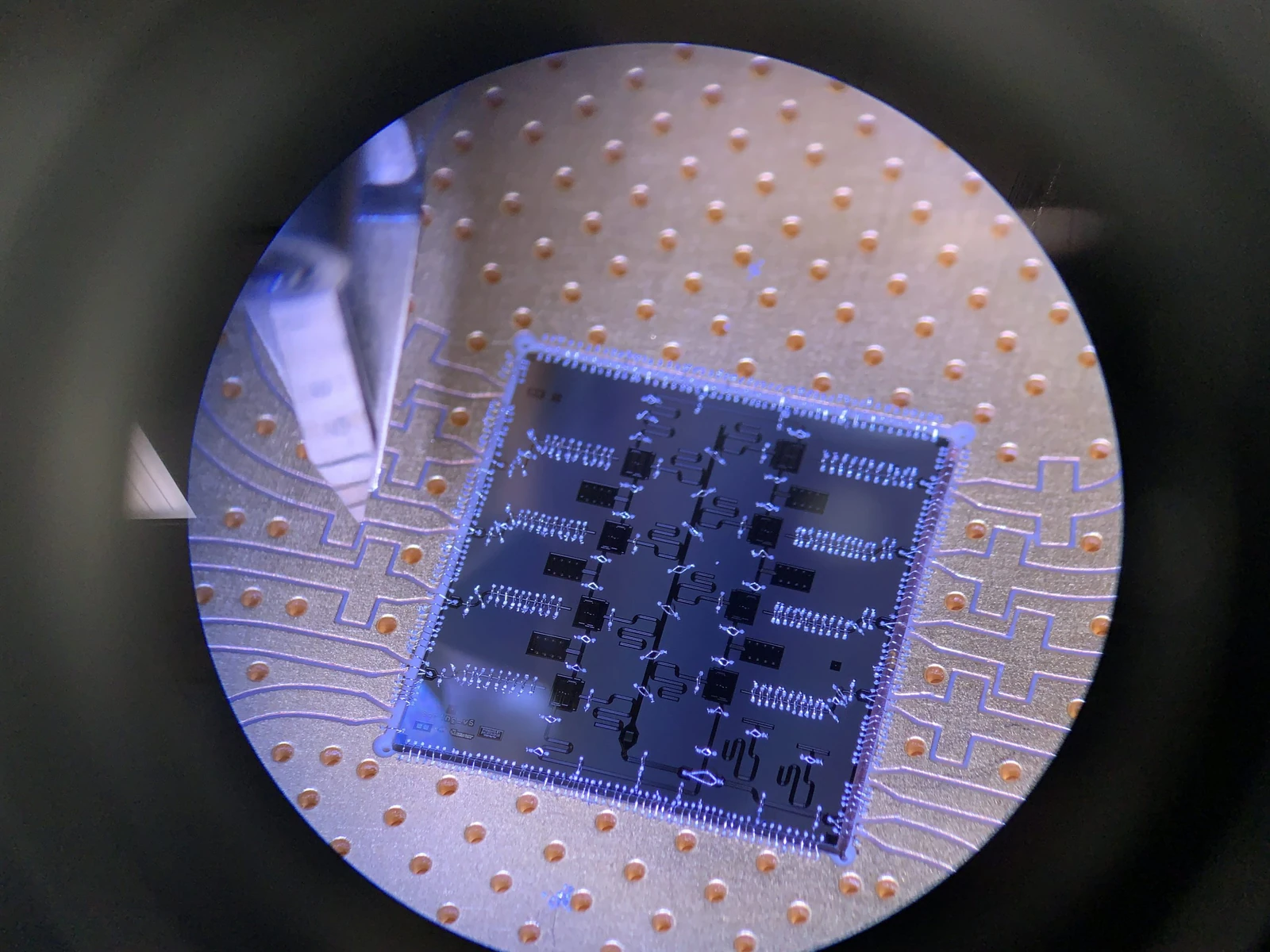
Errors can end a quantum calculation long before the hardware runs out of things to do. Fragile states change and the useful answer can be lost. A new U.S. Department of Energy competition focuses on the machinery needed to keep a calculation reliable through many successive operations.[1]
Announced on September 17, Quantum Genesis Q sets out up to $215 million in planned funding. Its target includes systems with at least 100 capable of hundreds of millions of fault-tolerant operations, alongside scientific demonstration programs. These are development goals for the competition.[1]
A is an individual carrier of quantum information. A logical qubit is an encoded unit designed to protect that information against errors. The protection is what makes the distinction useful: a demanding algorithm needs its information to survive throughout the calculation.
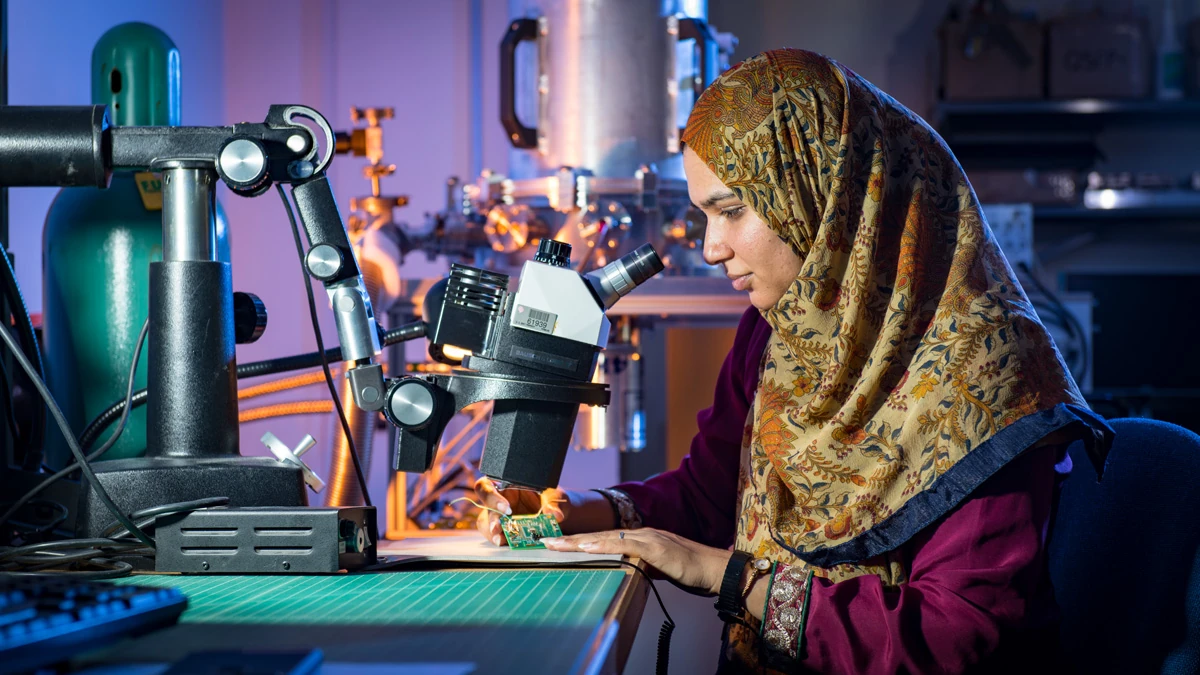
There is no universal conversion rate between physical and logical qubits. The hardware architecture, error rates and code all affect the resources required. Counting logical qubits therefore needs to go alongside evidence about the operations they can perform and how reliably those operations work.
DOE describes a planned program, with later-year funding contingent on congressional appropriations. It also announced a separate $45 million laboratory call for validation and verification infrastructure. Both announcements concern work ahead; they are not reports of completed awards or delivered machines.[1]
The validation effort matters because checking a protected quantum computation is part of establishing its usefulness. A system must do more than meet a component count: researchers need evidence that the hardware, logical operations and scientific workload perform as intended.[1]
As the program develops, the most informative milestones will connect those layers. Which logical operations have been demonstrated? How were their errors measured? Can other researchers inspect or reproduce the result? A funded target and a completed test should be easy to distinguish.
The competition directs attention toward sustained computation. The goal is to protect quantum information long enough for a machine to finish the scientific work it was built to attempt.