
A $27.9 Million Institute Targets a Microscopic Quantum-Chip Bottleneck
Princeton-led MARQUIS will bring materials science and semiconductor processing to the Josephson junction, a core superconducting-qubit component.
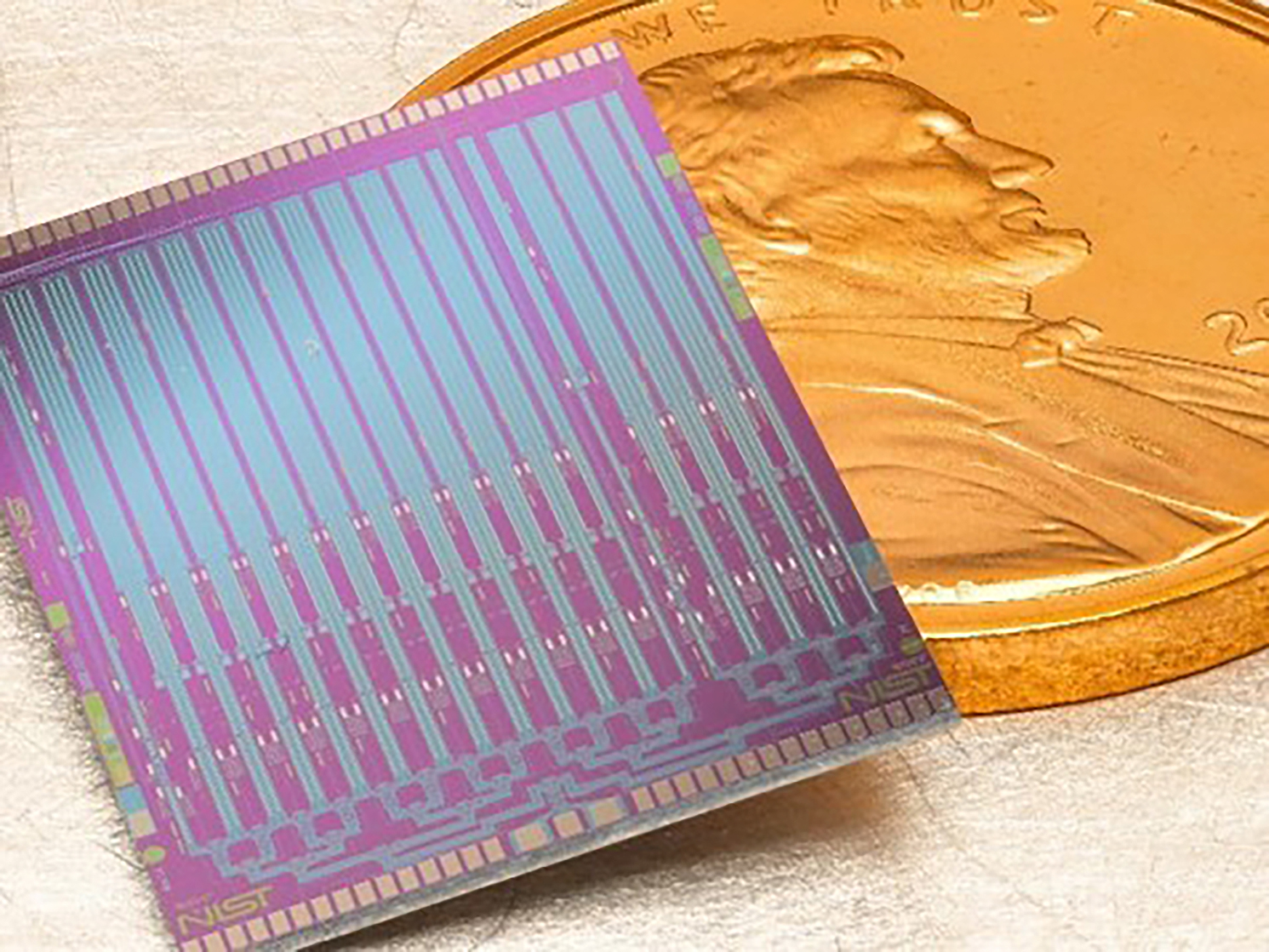
A barrier just a few atoms thick is central to a . Inside its , paired electrons tunnel between superconducting materials. Making that component reliably is the manufacturing problem a new Princeton-led institute, MARQUIS, will tackle. Announced August 25, the collaboration is due to receive $27.9 million from the US National Science Foundation over five years. Princeton says it brings together roughly two dozen laboratories across nine institutions, combining materials science, quantum devices and semiconductor processing.
Cornell, whose Valla Fatemi will be deputy director, describes widely used junctions made with aluminum, aluminum oxide and a polymer stencil process dating to early superconducting qubits. It points to related work using etched silicon trenches without a resist mask as one process change under exploration. MARQUIS is part of an NSF round supporting eight quantum institutes, including new centers and renewals.
The award funds research into fabrication and characterization; it does not establish a manufacturing improvement. Princeton says the team will develop validation methods and test designs in processors between small academic devices and much larger future systems. That step from an isolated junction to a working processor is consequential. A promising material or process still has to produce reproducible devices, consistent manufacturing and useful processor-level results before it can ease the problem of building larger quantum machines.