
The Next Big Quantum Breakthrough Might Look Like a Factory.
A federal award of up to $1 billion puts quantum manufacturing, not just qubit design, in the spotlight.
.jpg)
Quantum computing has a talent for dramatic photographs: gold hardware, hanging cables and machines that look borrowed from a spacecraft. One of its next important advances may be much less theatrical. Make the components. Make them consistently. Then make them again.[1]
On September 16, the U.S. Department of Commerce finalized a CHIPS research-and-development award of up to $1 billion for Anderon, an IBM subsidiary developing a quantum foundry in Albany, New York. The emphasis is on manufacturing capability: infrastructure that can help turn delicate designs into repeatable hardware.[1]
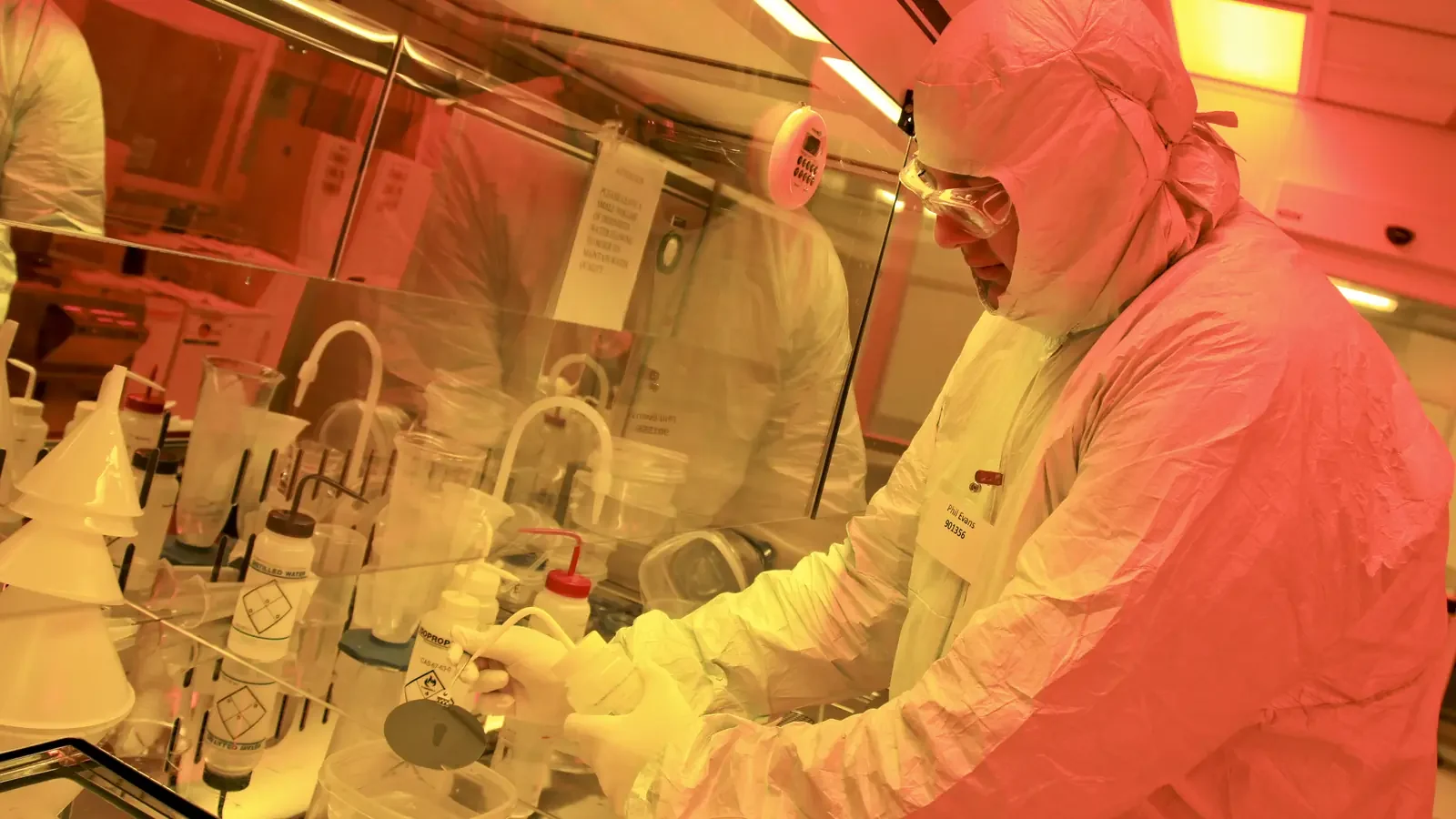
IBM says initial quantum wafers are already moving through the facility. Its plan centers on a 300-millimeter manufacturing platform, with components for superconducting quantum systems among the early targets. A foundry could give researchers and builders a route beyond making everything as a one-off laboratory exercise.[1][2]
That does not mean $1 billion has already been spent, or that a factory produces a fault-tolerant quantum computer by itself. An award ceiling is not a delivery receipt. Better fabrication still has to meet demanding requirements for materials, control, packaging and .[1][2]
Yet the shift is worth noticing. Quantum progress will need extraordinary science. It will also need the deeply practical ability to manufacture good parts, repeatedly. The next chapter may be written as much in a cleanroom as in a physics paper.[1][2]