Microsoft’s New Quantum Lab Has an Important Audience: the People Checking It
A new Maryland research center is an infrastructure story, but the more useful angle is how ambitious hardware claims will be tested.

A new laboratory is not proof that a quantum computer works. It can, however, give more people a way to find out.[1]
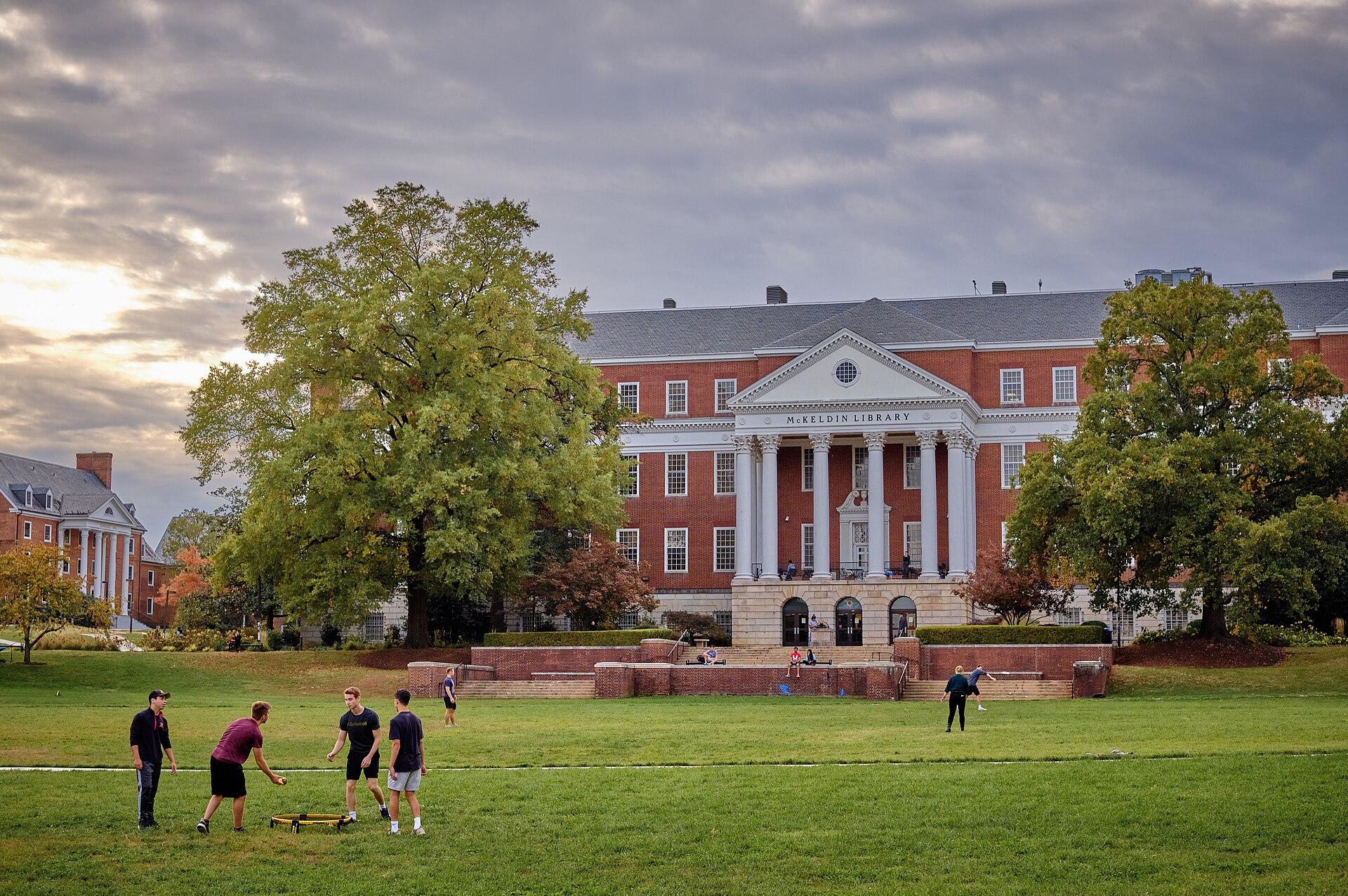
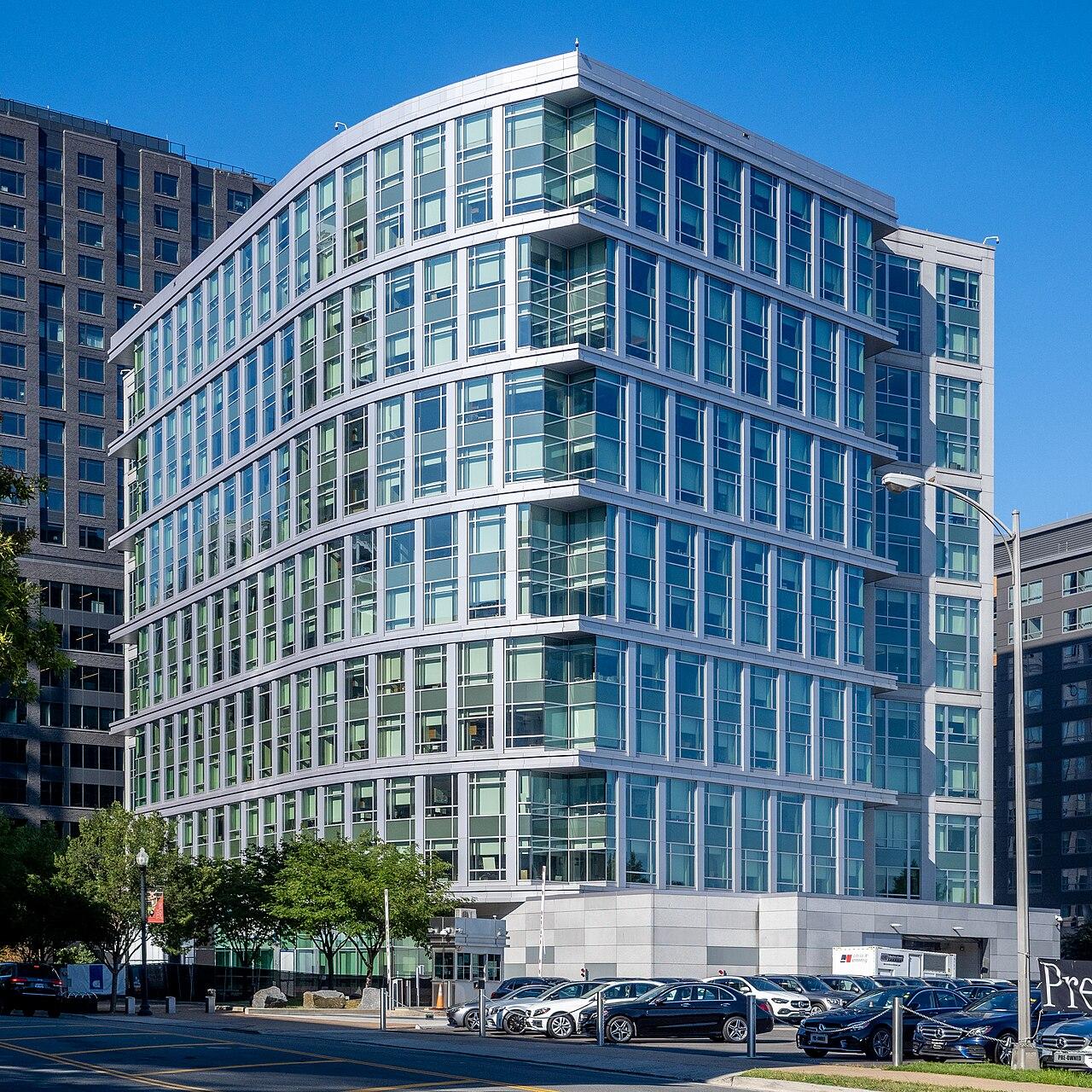
Microsoft announced the opening of a quantum research center in Maryland on September 22. The 15,000-square-foot facility in the University of Maryland’s Discovery District is intended to bring hardware development, academic collaboration and evaluation into closer contact.[1]
That last function deserves as much attention as the laboratory itself. Microsoft says the center will support access to its latest quantum hardware, including Majorana 2, for work involving DARPA’s quantum evaluation effort. The announcement describes an opportunity for testing. It does not report that an outside team has validated every performance or scalability claim.[1]
This is the difference between showing a promising device and establishing what it can reliably do. A convincing result needs a defined task, a measurement procedure, enough detail to reproduce the test and an explanation of the conditions under which it stops working. A product name cannot supply those things.
.jpg)
The center also includes space for hardware development and collaboration with researchers. Microsoft describes opportunities involving University of Maryland postdoctoral researchers and workshops. Those are ways to build an experimental community, not numbers that can be substituted for a processor’s error rates.[1]
DARPA describes its broader Quantum Benchmarking Initiative as an effort to determine whether any approach can reach utility-scale operation, meaning that computational value exceeds cost. That is an evaluation question rather than an endorsement of a particular vendor.[2]
For readers following the quantum race, the center offers a useful change of perspective. Instead of asking which company has the boldest timetable, ask who can examine the machine, what data they will receive and which conclusions the experiment can actually support.
The next compelling headline will not be a photograph of an opening ceremony. It will be a clearly reported test: what was measured, who performed it, what uncertainty remained and whether the result survived scrutiny. A bigger laboratory is interesting. Better evidence would be more important.