
Quantum Computers Are Getting a New Scoreboard. Qubit Count Isn’t Enough.
A new benchmarking framework asks how much useful circuit a machine can handle, and how quickly it can handle it.
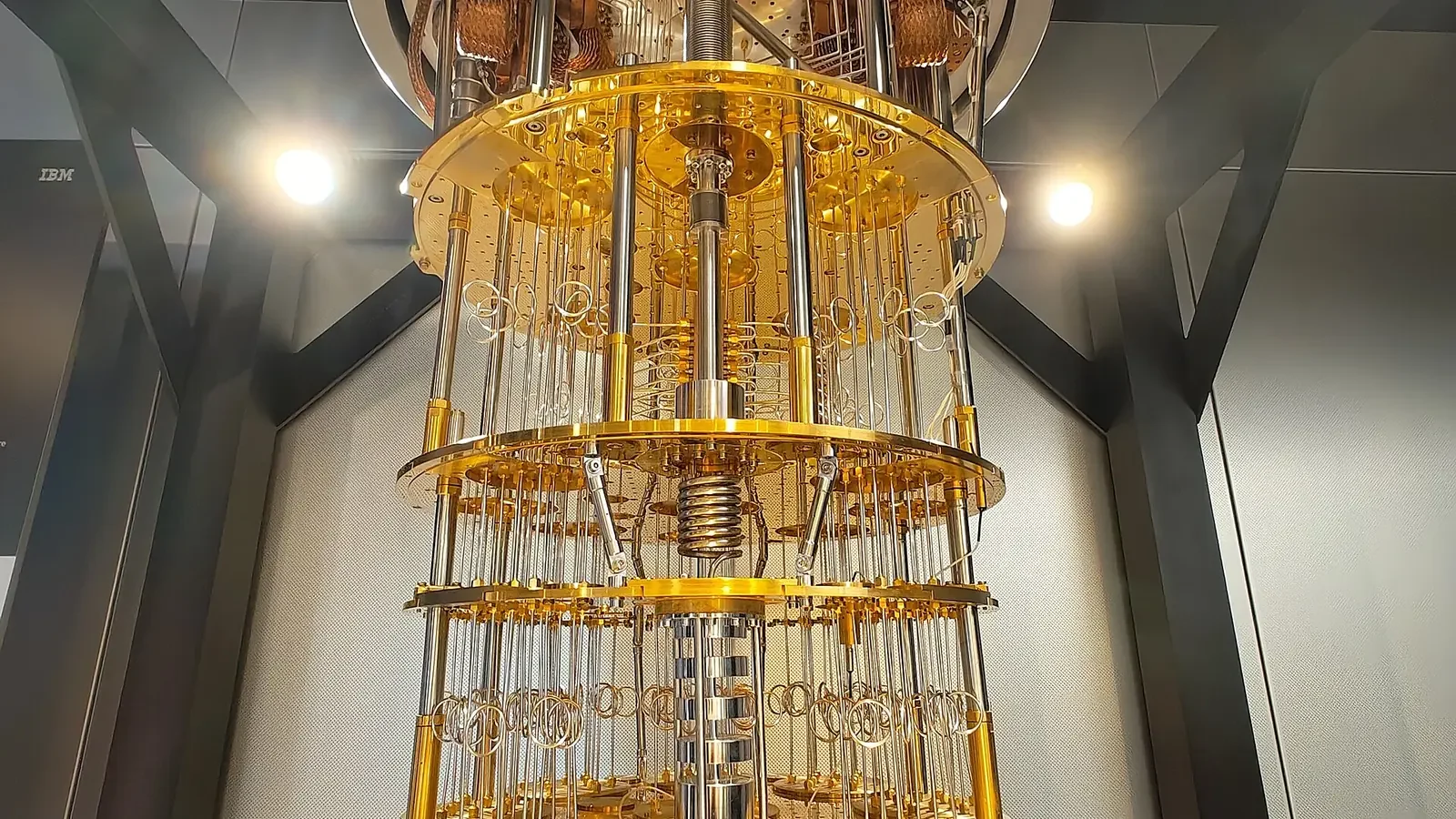

Judging a quantum computer by its qubit count is a little like judging a restaurant by its number of chairs. Capacity matters. So does what actually comes out.[1]
A new research preprint proposes a more demanding scorecard called QUOPS. Rather than treating one hardware number as the whole story, the framework combines the size and quality of circuits a processor can execute with the speed of execution. In plain English: how much computation can this machine do reliably, and how fast?[1]
The September 10 study includes experiments on processors from Quantinuum, Google and IBM, plus a demonstration involving protected . NVIDIA then highlighted the Sandia-developed benchmark as part of its September 14 CUDA-Q expansion. That makes the work more than a new acronym: it is a practical attempt to connect hardware claims to computational capability.[1][2]
There are limits. A benchmark is not a universal verdict on every application, and a preprint is not the final word. Results still depend on the workload, error assumptions, implementation and comparison being made. This is not a declaration that useful quantum advantage has arrived everywhere.[1][2]
But the direction is refreshing. As the machines improve, the questions should improve too. Not just “How many qubits?” but “What can they finish?” That is a much better conversation to have.[1][2]