
Quantum Sensors Are Making Nuclear Material Easier to Read
Superconducting detectors measured important X-ray features more precisely, helping scientists interpret overlapping signals from nuclear material.
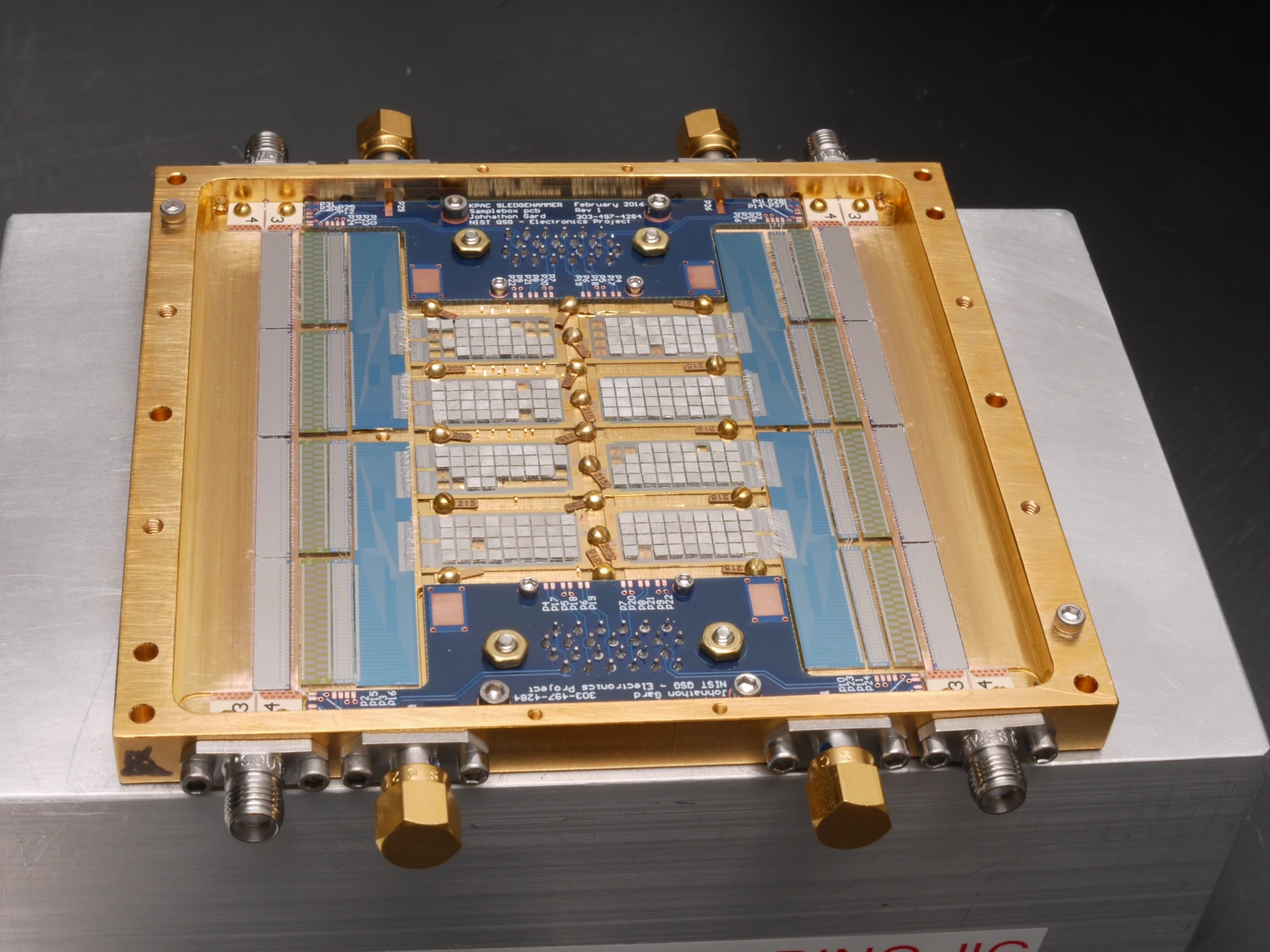
A crowded radiation spectrum can hide the information researchers need. A new NIST-led study uses superconducting sensors to sharpen that picture, improving measurements of features that help scientists characterize nuclear material.[1][2]
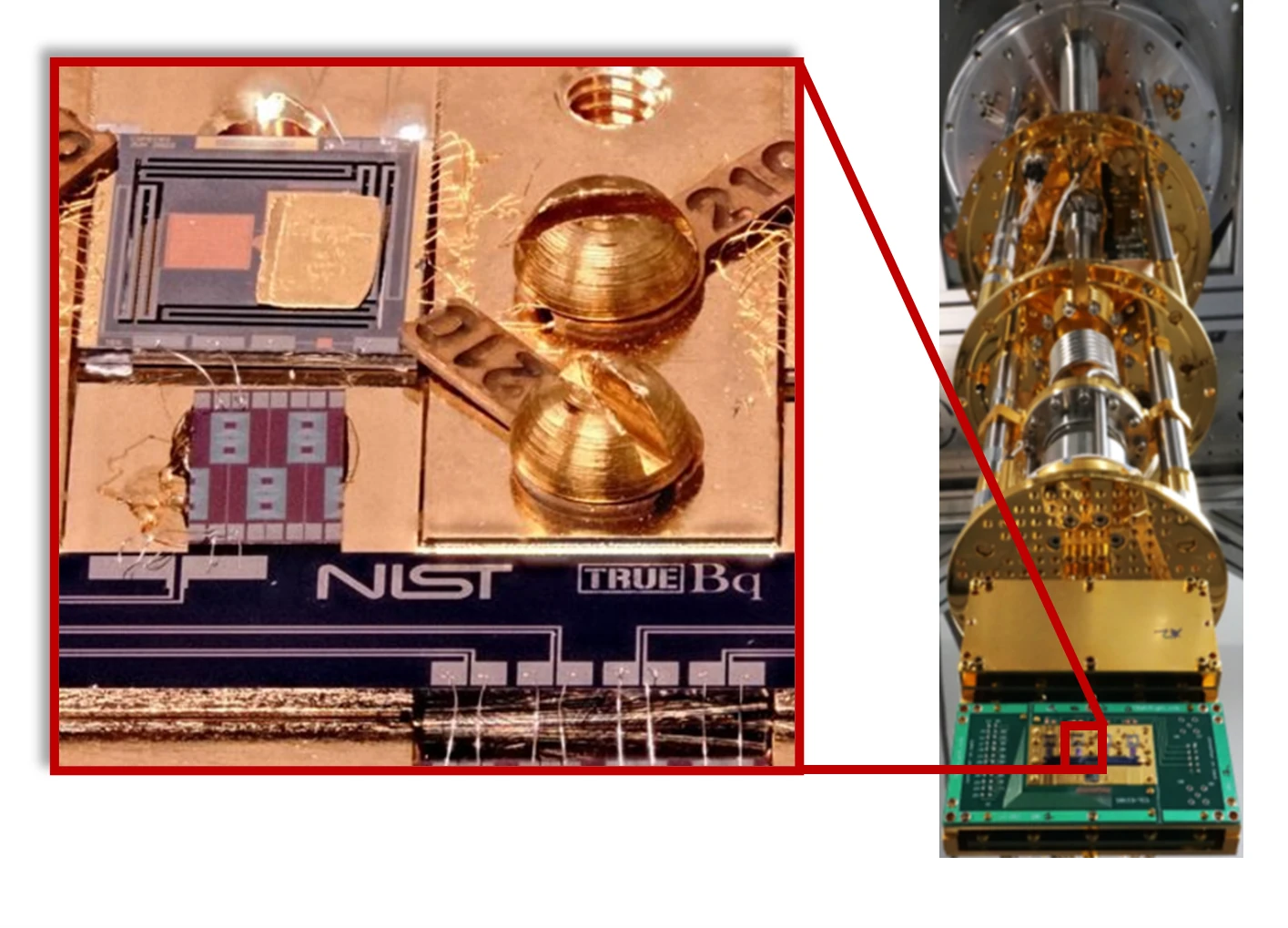
The devices are transition-edge sensors, or TESs. Operated close to the boundary between superconducting and ordinary electrical behavior, they turn a tiny deposit of energy into a measurable electrical change. An array of these microcalorimeters lets scientists distinguish features that would otherwise blur together.[1][2]
The study measured characteristic X-ray linewidths for uranium, neptunium and plutonium. The published paper reports relative uncertainties of 0.5% to 1.5%, an improvement over earlier values. Better knowledge of those features can reduce systematic errors where they overlap with gamma-ray signals used in material assays.[2]
Think of a crowded conversation. Turning up the volume does not necessarily make individual voices easier to follow. Separating the overlapping contributions can help more. Here, the improvement is in the reference information used to interpret a radiation spectrum, giving researchers a clearer basis for their analysis.
The uncertainty figures apply specifically to the reported linewidth measurements. The accuracy of a later material assay will also depend on the sample, instrument and analysis. Keeping that scope clear helps users judge where the new reference measurements can make a difference.[2]
Refrigeration remains a substantial part of the system. NIST says the sensors must operate a fraction of a degree above absolute zero. Deploying the instrument therefore involves the cooling equipment and its operating demands as well as the detector array.[1]
The next practical questions concern how reliably laboratories can use the improved measurements and how easily the full instruments fit into their work. Repeated results, calibration and operating costs will help determine their wider value.
This is a concrete role for quantum sensing: improving a difficult measurement so researchers can extract more dependable information from the signals they already have.