
Nordic ministers back closer quantum research ties. What would make them real?
A Copenhagen declaration backs closer cooperation on research facilities, training and commercialization. A separate grant call shows one way that could work.
Reading tools for text size, copying, printing and your reading list
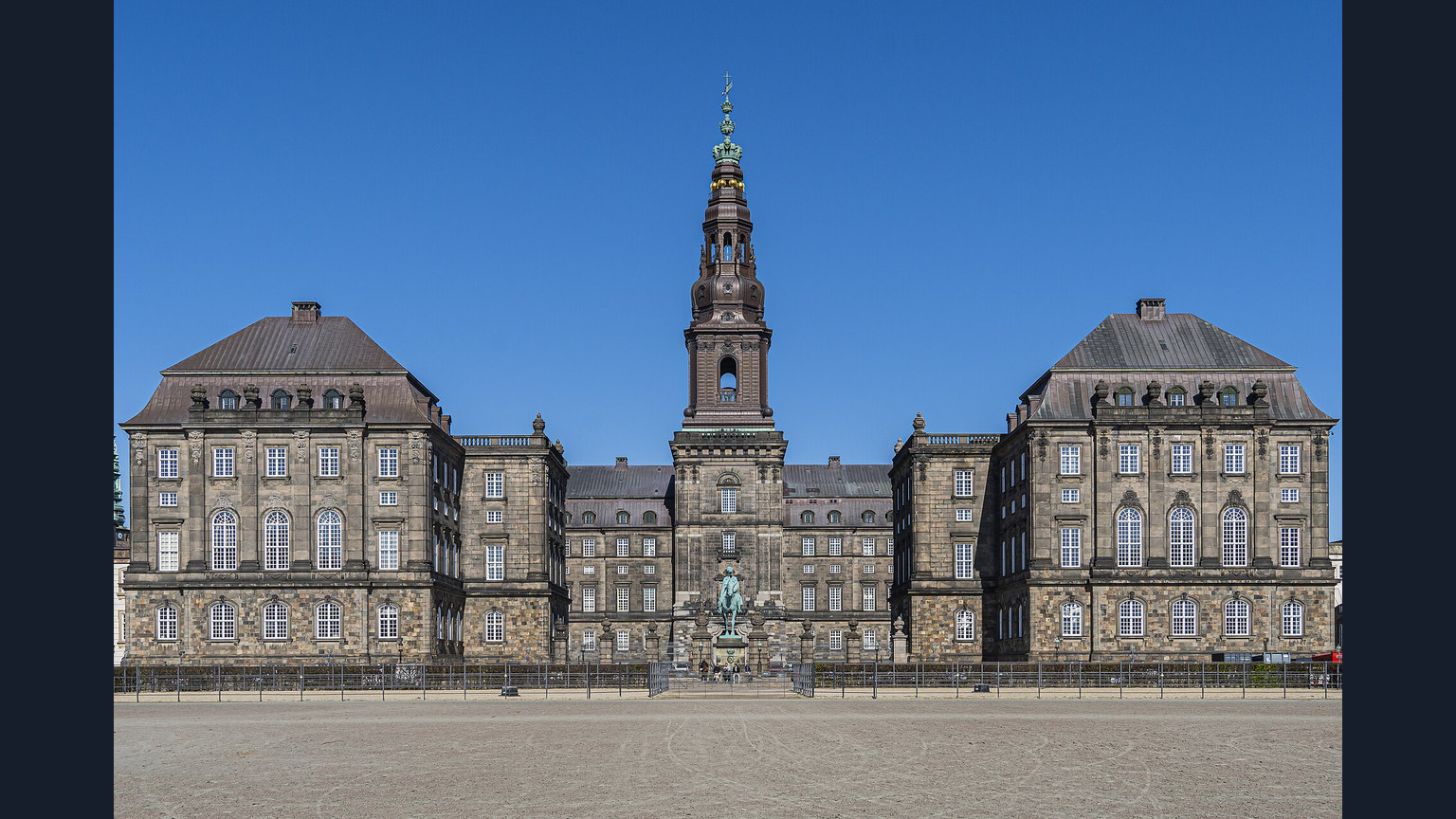
Nordic education and research ministers adopted a declaration in Copenhagen on November 26 backing closer cooperation on quantum technology. The ministers want universities and companies to work together more closely, and they singled out NordForsk, the regional research funding body, as a way to support collaboration on research, researcher exchanges and facilities. The declaration did not announce a budget, a shared facility or a deadline for opening one.[1][2]
The practical question is what a lab or startup can do across a border that it couldn't do before. A group developing a quantum sensor, for example, might need access to a specialist test facility and a company that can try the device outside the lab. A commitment to cooperate is one thing. Published rules on who can use the facility, who pays and how access is scheduled would give researchers something they can act on.[1][3]
The working group predates the declaration
The Copenhagen text builds on a May 2025 statement from Nordic heads of government and a separate October 2026 declaration from ministers responsible for cooperation and business. It confirms that a cross-sector working group has already been formed. NordForsk says the group brings together national research and innovation funders, Nordic institutions and a representative of the Council of Ministers. Its remit includes proposing joint funding calls. In other words, November 26 was a political endorsement of closer coordination, not the launch of the group.[1][2][3]
There is already a benchmark for demand. An earlier international quantum research call closed on September 24 and drew 186 proposals, according to NordForsk. Exactly half, 93, involved Nordic partners. That's a count of proposals, not awards. The Nordic side of that call had a budget of up to NOK 84 million and intended to support participation in 12 international projects. Neither the applications nor that earlier budget represent funding newly committed in Copenhagen.[4][5]
Where a team can act now
A separate, open call from Nordic Innovation gives teams until December 15 to propose a way to help quantum researchers test whether their work could solve a business problem. It is designed to support one project, not to fund individual startups or buy a quantum computer. Teams need at least three partners from three Nordic countries and must at least match the grant with their own contributions. Those can include staff time.[6]
The call offers up to NOK 2 million for the first phase and up to another NOK 5 million to expand the work if the first phase delivers and funding is available. That makes NOK 7 million a ceiling, not a sum that has been awarded. The funding decision is expected in January 2027.[6]
That decision is worth watching alongside a different test of the Copenhagen pledge: whether the research funders publish a concrete plan for cross-border access to equipment or facilities. The grant can support a way for researchers to find partners and test business ideas. It can't, by itself, tell a visiting team when it can get time on a piece of equipment.[1][3][6][7]