
Pasqal highlights an unexplained slowdown in a 256-qubit quantum magnet
A fresh company explanation revisits an earlier preprint with an unresolved physical question.
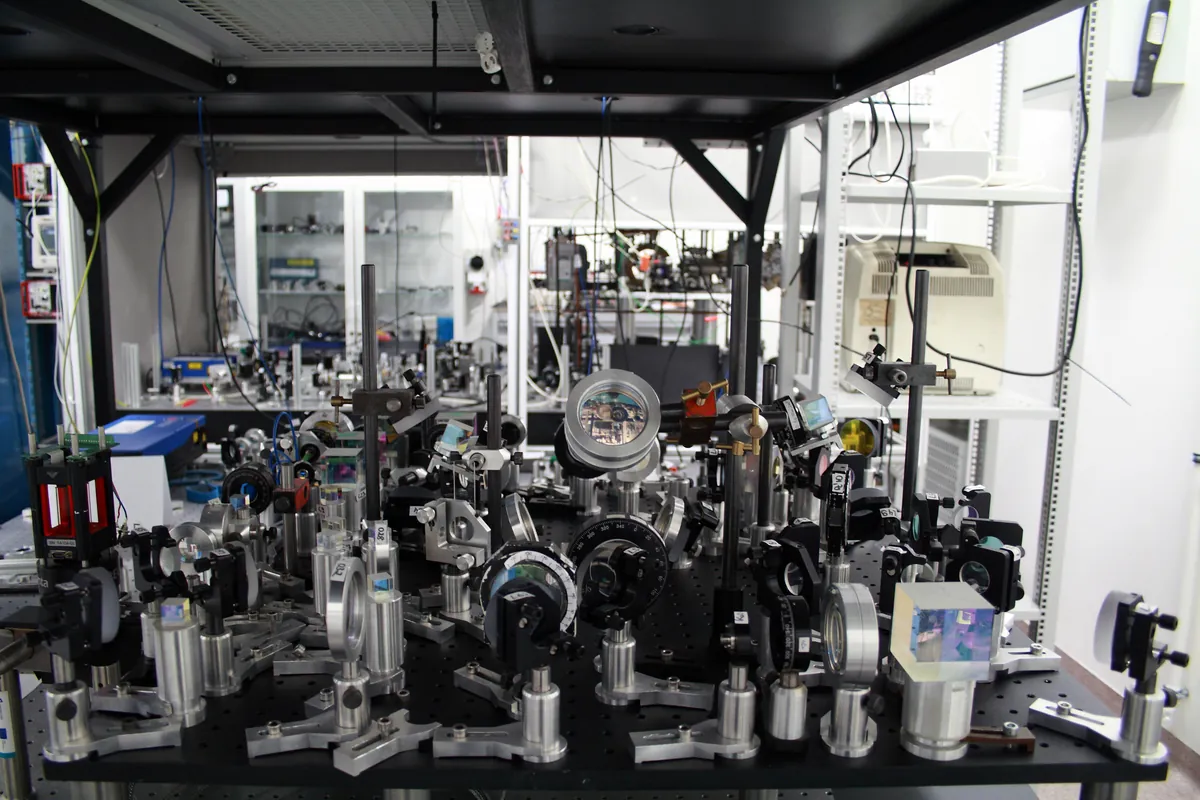

Pasqal is drawing attention to a puzzling result from its 256- neutral-atom processor: a simulated quantum magnet can relax much more slowly than expected after a sudden disturbance. The company published a new explanation on October 27, while the underlying preprint first appeared on August 7.[1][2][3]
The experiment maps the behavior of a two-dimensional magnet using a 16-by-16 atomic array. It finds several relaxation regimes, including a slow crossover whose origin remains unresolved. The study compares the device with classical calculations and examines the effects of noise and system size.[1]
The result should not be presented as a demonstration of computational quantum advantage. Pasqal's technical account explicitly says the work does not compare runtimes or computing costs. Noise and finite-size effects also influence the quantitative relaxation rate.[1][2]
Editorial interpretation
The appeal is scientific: a programmable device can help investigate a regime that available calculations struggle to describe. The next step is a clearer quantitative explanation of the slowdown, supported by further measurements and stronger classical comparisons.
Learn: The three dates behind a science headline
A scientific result can become news more than once, for different reasons. Its first public manuscript, its journal publication and an institutional announcement may appear on separate dates. Each can be a legitimate event, provided the article tells readers which event is new.
Submission histories are especially useful because they expose the sequence behind an announcement. A fresh company explanation may introduce a wider audience to a result that researchers have already been discussing. A revised paper may add experiments or narrow a claim. Journal publication may provide a new review milestone while leaving the central result unchanged.[1]
Worked example
Hypothetical example: a manuscript appears on May 1, gains an additional experiment in an August 10 revision and is published by a journal on October 20. An October 27 news article could accurately explain the publication milestone. It should not imply that nobody had access to the result before that week. If the new experiment is the important development, the August revision deserves attention too.
The practical editorial method is to write a short chronology before drafting the headline. Record the earliest accessible version, later versions, publication status and announcement date. Then compare the new material with the older record. The question is whether the evidence changed, the review status changed or only the audience changed.
This approach does not make an older result uninteresting. A clear explanation can be valuable when a new application, useful comparison or stronger interpretation gives readers a reason to revisit it. The article simply needs to describe that reason honestly.
On a website, keep the story's publication date separate from the dates inside the reporting. Updating an existing article should also leave a meaningful change note. Readers can then understand both the research timeline and what the publication has added since its earlier coverage.