
A U.S. national lab wants a quantum computer it can run itself
New procurement answers put a September 2027 target on a possible on-site lease at Pacific Northwest National Laboratory. There is no order yet.
Reading tools for text size, copying, printing and your reading list
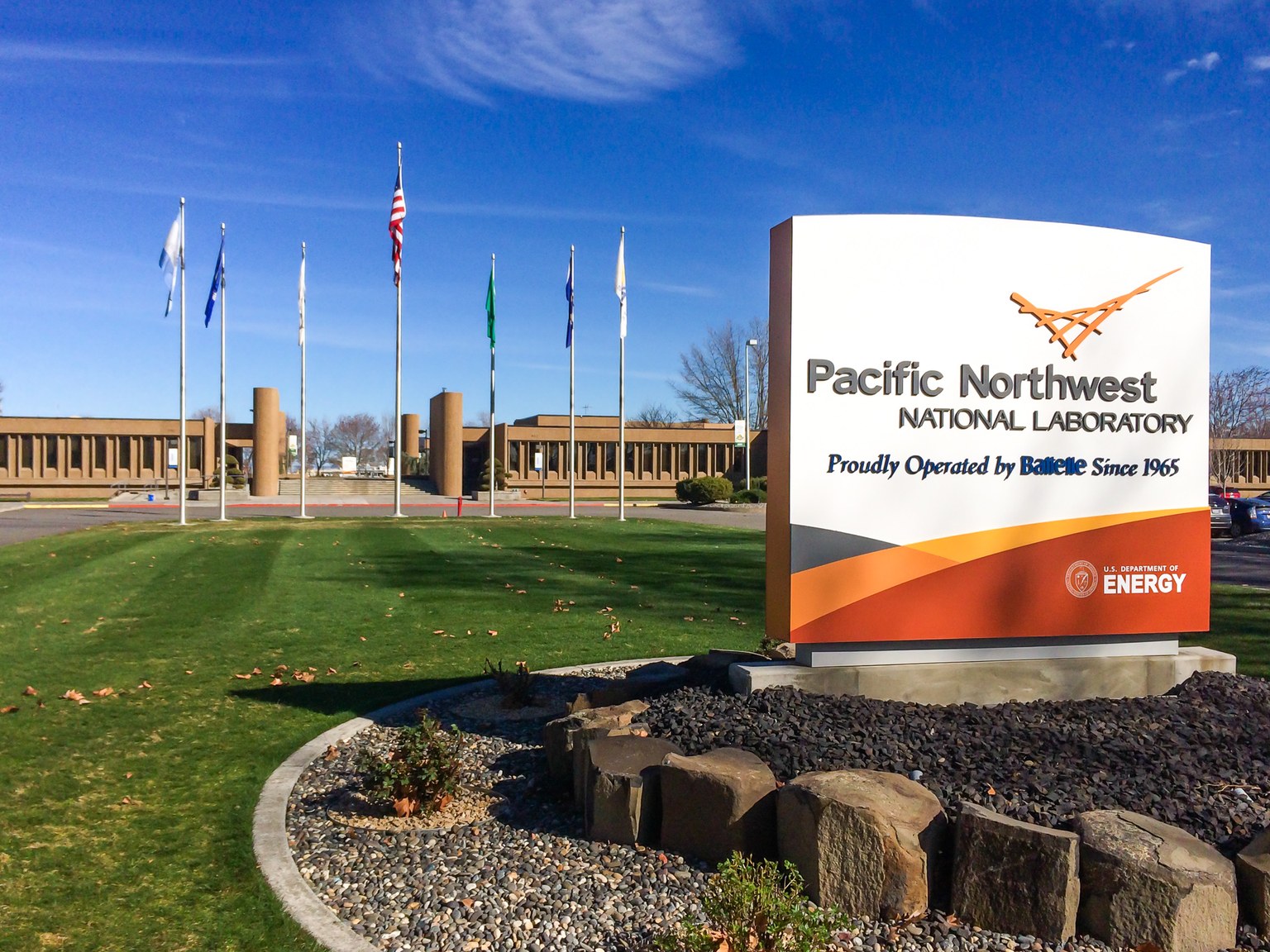
The operator of Pacific Northwest National Laboratory wants to bring a superconducting quantum computer to its campus in Richland, Washington, and run it with its own staff. In answers posted November 25, Battelle said September 30, 2027, is its desired delivery and installation date. It asked suppliers to say whether they can actually meet it given manufacturing and assembly lead times. The request is still market research: no machine order or supplier selection is announced in the notice.[1][2]
The update also clarifies what the lab is willing to lease. The original request envisages three to five years with supplier support. Battelle now explicitly asks vendors to describe lease-to-own and other leasing options as well. It has identified several possible locations on the Richland campus but would select one after a site survey if a contract proceeds.[1][2][3]
What the lab wants to test
Battelle put roughly 50 to 150 physical on its planning list, along with a median two-qubit of at least 99.5%. Those are guides for market research, not pass-fail requirements. It invited vendors with different systems, including other kinds of qubits, to respond and explain what they could deliver. The lab also wants to know how it could move to a larger processor during the lease.[3]
Qubit count and the accuracy of a typical two-qubit operation answer different questions. The count tells you how many physical elements are available to work with. Fidelity tells you how closely an operation on two of those elements matches the intended one. A median can mask weak pairs, and neither number by itself tells you whether an entire experiment will produce a useful answer. Battelle also asks for system-level benchmarks and for measurements of how accurately the system reads out qubits and how long they keep their quantum state.[3]
Why on-site access matters
Battelle asks for two levels of control. At the circuit level, researchers specify the operations they want to run. At the pulse level, they can program the signals that drive the hardware. That lower-level access matters if a lab wants to study how a machine behaves under its own controls rather than rely only on a vendor’s standard settings. The requested equipment includes the refrigerator and control electronics, not just the chip, plus software that works with a high-performance computing scheduler.[3]
The notice lists possible uses including independent hardware benchmarks, feasibility studies in chemistry and materials science, and workflows that split the work between a quantum processor and conventional high-performance computers. Those are research plans, not claims that the system would beat a classical computer. The notice says research results would be published, while the new answers say Battelle has not yet ranked those uses.[1][2][3]
What would make this a real order
The distinction to watch is whether the market survey turns into a formal request for proposals and then a contract. The new answers put a date on what Battelle wants and leave room for vendors to propose a different schedule. The notice still lists December 8 at 4 p.m. Pacific for industry responses. Until there is a contract, the model, price and delivery date remain open.[1][2][3]