
Qilimanjaro’s €19.6 Million First Close Puts Manufacturing Next
Indra and SETT back the Barcelona company’s Series A first close. The next useful evidence is what the capital changes in chip production and system delivery.
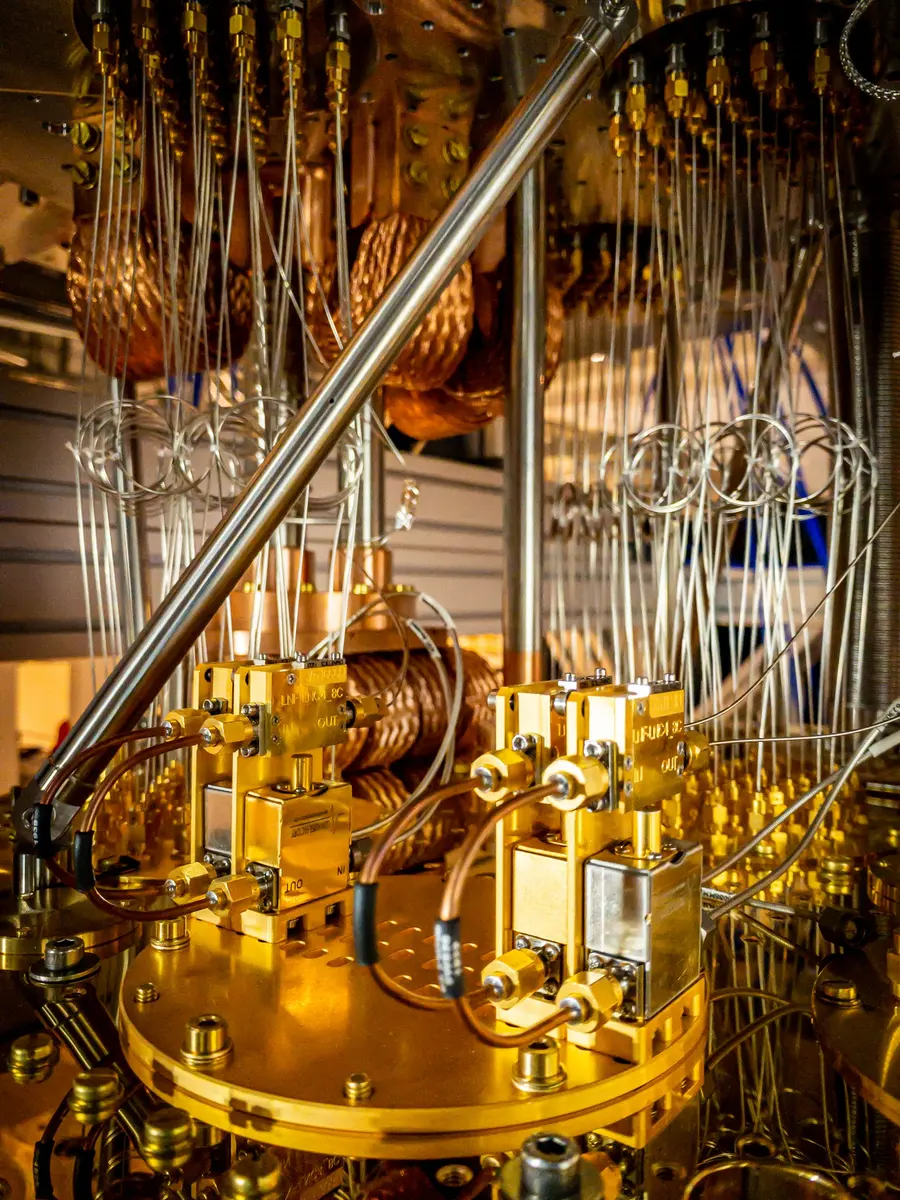
Qilimanjaro Quantum Tech announced a €19.6 million first close of its Series A on October 14. Indra Group, through IndraMind, invested €10 million and Spain’s SETT contributed €9.6 million. The company says it expects to complete the wider round in the final quarter of the year.[1]
One round, more than one milestone
A first close is a real financing milestone, but it leaves the round open. The €19.6 million should remain attached to this stage. If a later announcement gives a final total, it should replace the running total for the same round rather than be automatically added as another independent raise.
Qilimanjaro links the capital to industrializing its quantum computers, developing new chip generations and increasing manufacturing and deployment capacity. Those are intended uses. The funding announcement does not supply a new performance benchmark, manufacturing-yield result or a count of newly accepted customer systems.[1]
The hardware work behind industrialization
The company’s July account of its IPQUANTICS project supplies a more concrete starting point. Qilimanjaro builds analog processors based on fluxonium . It describes planar and flip-chip designs, fabricated devices measured at cryogenic temperatures, and in-house FPGA control electronics. The company explicitly characterizes that control hardware as a research prototype, still short of production.[2]
Qilimanjaro identifies control-line routing and interference between lines as scaling problems. Adding qubits therefore increases an integration task as well as a device count. A useful follow-up would test whether the larger processor remains controllable under the operating conditions required by its application. That is an evaluation question drawn from the stated challenges, not a measured result of this financing.[2]
From a chip to an accepted system
The manufacturing question is more specific than whether the company can make a good device once. A repeatable process must make enough devices that meet the same requirements. Packaging, control and acceptance tests then determine whether those components become usable systems. Financing can support each stage, but no single spending total measures the whole route.
Consider a hypothetical production run with 100 components, of which 60 pass the required tests. A later run producing 200 components but only 50 acceptable ones would have higher raw output and fewer usable devices. The example is illustrative, not a claim about Qilimanjaro. It explains why production capacity and accepted output belong in separate columns.
For readers following the investment, a useful progress record would name the process being scaled, the specification a component must meet and the point at which a delivered system is accepted. Where commercial details cannot be disclosed, a clearly scoped public test can still make a milestone understandable.
The next financing update is whether the wider round closes. The next engineering update is whether the funded work produces repeatable components and usable deployments. Keeping both in view makes the investment consequential without turning it into evidence of computational advantage.