
Qiskit 2.6 gives compiled languages more control over quantum circuits
C API compiler passes, circuit serialization and custom operations broaden the SDK. The 2.6.1 patch is already out, so migration checks should include it.

Qiskit 2.6 expands the C interface to its quantum compiler, giving programs outside Python more control over circuit processing. IBM’s October 22 summary highlights custom compiler passes, circuit serialization and user-defined operations. Version 2.6.0 was released on October 16. The official repository also lists a 2.6.1 patch, available when checked on October 24.[1][2][3]
A compiler pass changes or examines a program representation. The new C API pass manager can compose passes whose input and output representations are checked for compatibility. This lets developers build more specialized compilation sequences, instead of being limited to invoking a preset pipeline. It is infrastructure for integrating the compiler into a larger software system.[1]
The release also exposes QPY circuit storage through C and permits custom operations without relying on Python’s object model. QPY version 18 becomes the default. IBM describes progress toward a standalone C library, so the release should not be interpreted as a blanket guarantee that every supported workflow can now run without Python installed.[1]
For upgrades, the minimum Python version remains 3.10, while building from source requires Rust 1.89. The 2.6.1 patch includes fixes involving interior NUL bytes, two- decomposer wrappers, allocator behavior and preservation of control states when certain controlled phase gates are raised to a power. Those are concrete reasons to review the patch notes alongside the feature summary.[1][2]
QubitWire’s suggested migration check is a small representative circuit round trip: save it, reload it and compare the operations, parameters and control states expected by the application. Repeat the compilation path used in production and record the exact package version. This is a proposed verification procedure, not a claim that we have executed the new release against a reader’s environment.
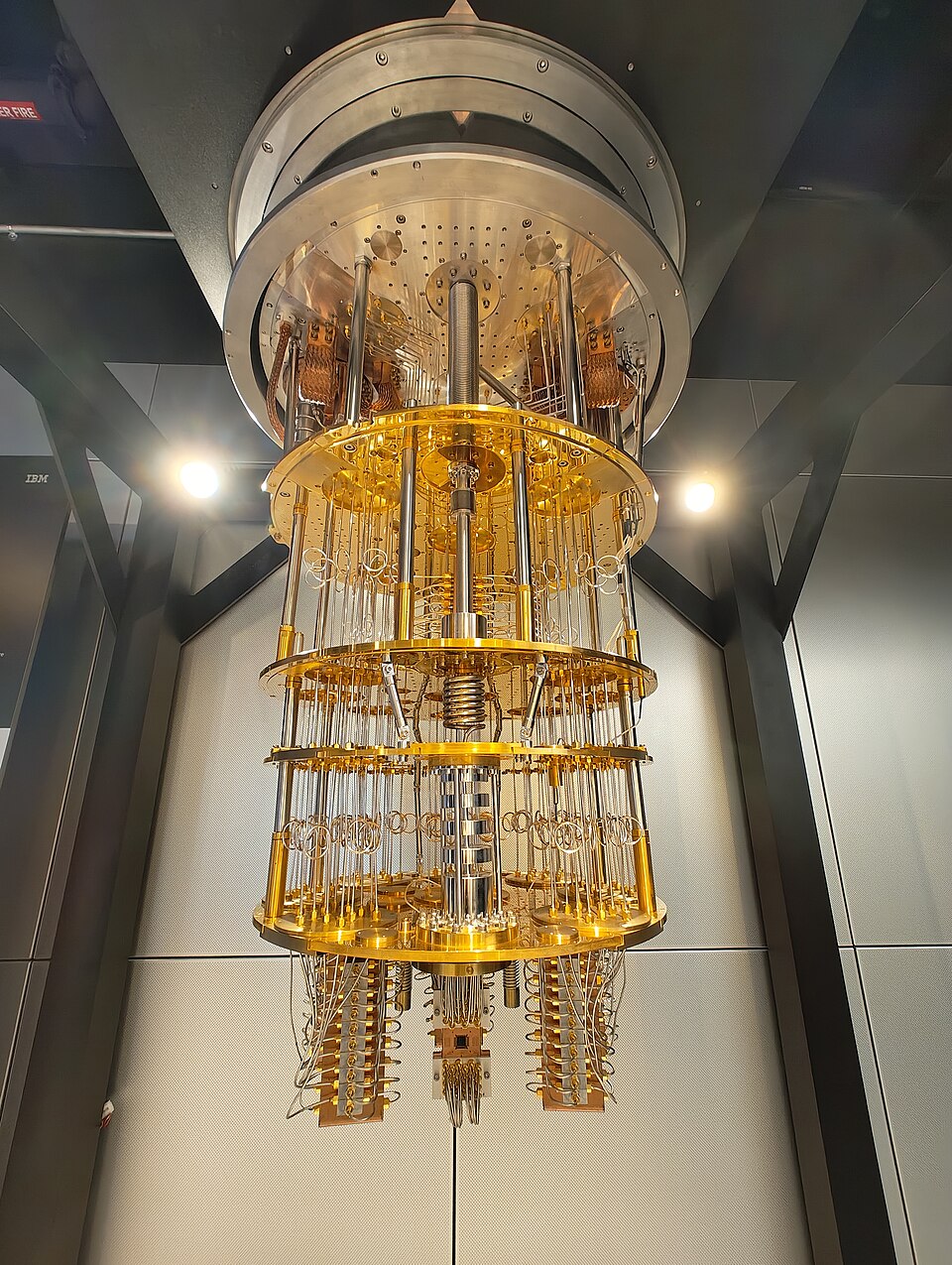
The practical gain is greater access to compiler building blocks across languages. An application-speed claim would require a separate benchmark of the complete workflow. The photograph shows IBM Quantum System One in 2024; it provides hardware context and does not document a Qiskit 2.6 performance test.