
Germany backs a quantum test for spotting trouble in energy data
The QUANDA project will combine quantum and conventional computers, with better fault detection still to be demonstrated.
Reading tools for text size, copying, printing and your reading list
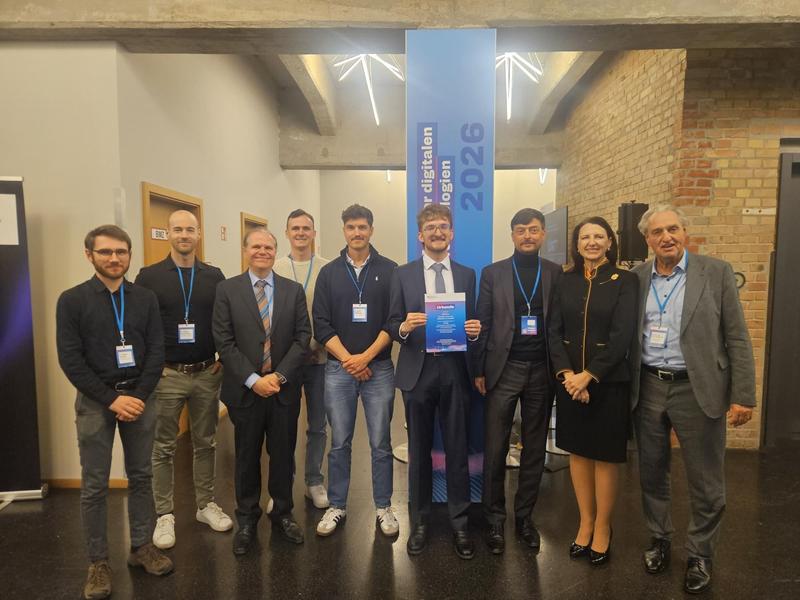
Germany is backing a three-year project to test whether quantum computing can help spot unusual patterns in energy data, potentially flagging equipment faults or other disruptions. The QUANDA consortium described its launch on November 12, following a funding-certificate ceremony on November 9.[1]
Partner GWDG says Germany’s research ministry has awarded about €4 million to the project. The funding backs an investigation, not an already demonstrated improvement in keeping the lights on.[2]
An unusual reading is a clue, not automatically a fault. The consortium plans to test quantum machine learning, which combines learning algorithms with quantum computation, on three energy-sector use cases. Its announcements identify energy facilities, electricity grids and data centres as places where detecting unusual patterns matters.[1][2]
The quantum processor is only part of the experiment. Deggendorf Institute of Technology leads the six-partner consortium. GWDG and QUDORA will develop software that coordinates quantum processors with conventional high-performance computers.[2]
One technique they plan to investigate is circuit cutting: splitting a quantum program into smaller pieces that today’s limited machines can run, then combining the results on a conventional computer. Fitting a calculation onto the hardware is therefore a separate question from whether the complete workflow is useful.[2]
The planned open software will feed into FullStaQD, Germany’s broader effort to make quantum machines easier to connect to existing computing systems.[1][2]
The useful test will be whether the combined workflow detects meaningful problems better, or at an acceptable total computing cost, compared with conventional methods. The launch announcements provide no such comparison yet.[1][2]
Keep your reading trail
Keep up with these topics
Explore the subjects covered in this story.