
Quantum Computing’s Next Test Is Hiding in Rare Earths
The hard part is not another futuristic chip. It is finding chemistry that separates valuable materials more effectively.

.jpg)
A quantum computer could eventually earn its place in industry by helping choose a better chemical. That is the practical question behind a September 17 partnership between USA Rare Earth, Pasqal and Riven Systems. The target is rare-earth separation, not a newly discovered mine.[1]
Rare earths are a family of 17 elements, not one mysterious substance. Their useful properties make them valuable across modern technology, but a mixture of elements is not the same as a supply of separated materials ready for manufacturing. Chemistry is part of the journey from a resource to a usable product.[2]


The partners plan to combine automated laboratory experiments with machine learning. Riven would generate experimental data; Pasqal would compare quantum models with classical models trained on that data. The aim is to identify better extractants, molecules that preferentially bind to particular rare earths. It is a proposed discovery workflow, not a reported quantum advantage.[1]
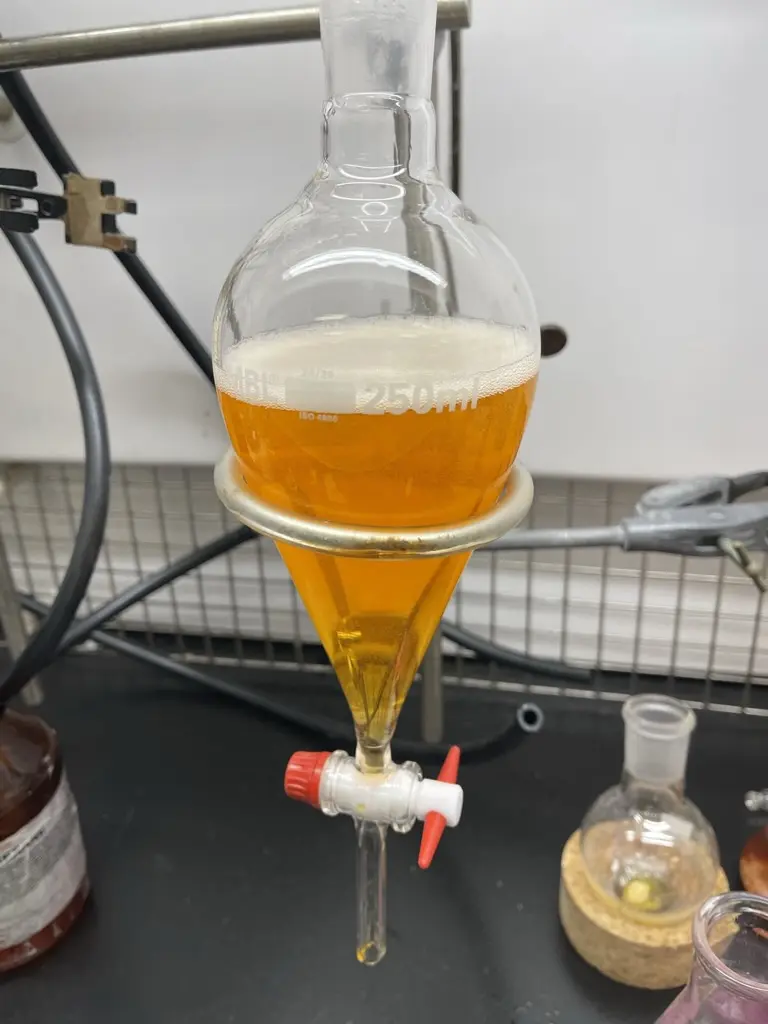
The simplest analogy is a sorting problem in a crowded room: the useful tool is the one that picks out the right guests without collecting everyone else. In a chemical process, that selectivity has to survive real feedstocks, real equipment and repeated testing. A good score in a model is only the beginning.

This is why the classical comparison is so important. Adding quantum hardware does not automatically improve a machine-learning system. A convincing result would need to show a benefit after counting data preparation, computer time and laboratory validation, not just an attractive intermediate metric. Those are the questions a reader should ask when results arrive.
There are no demonstrated processing savings in the announcement. The story is an unusually concrete test of where quantum tools might help: a small part of a larger industrial workflow. The most interesting outcome would not be a headline claiming quantum has solved mining. It would be a better molecule that keeps performing outside the model.