
Quantum Computers Could Change What the World Is Made Of
Chemicals, batteries and pharmaceuticals are among the clearest candidates for early gains. Their breakthroughs could reach you through everyday products.
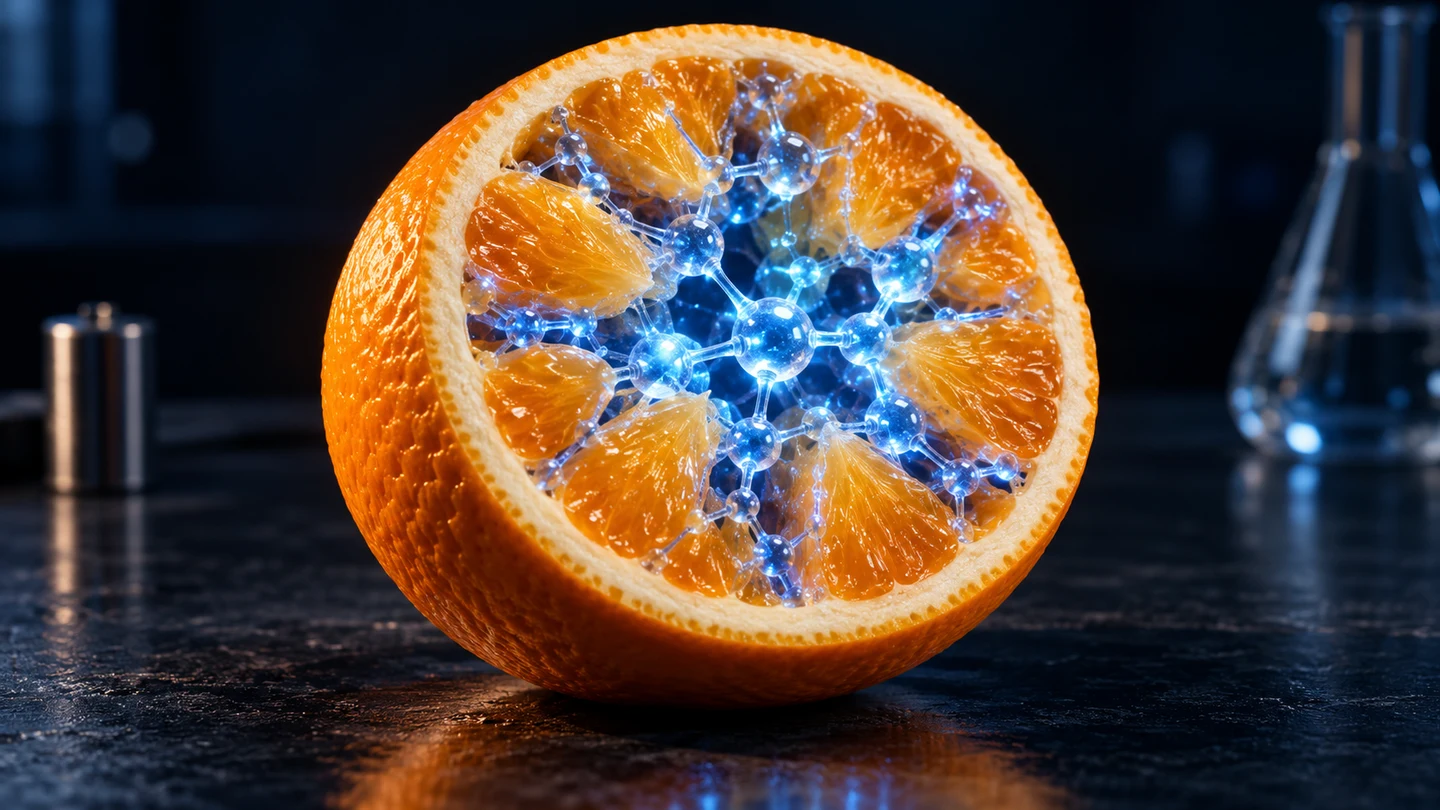
Quantum computing could reach everyday life through a longer-lasting battery, lower-waste chemical manufacturing or better medicine. Chemicals and materials, batteries and pharmaceuticals are promising early candidates because they make costly decisions about molecules, which obey quantum rules. That is an editorial shortlist, not a forecast of timing or order.
Catalysts help reactions happen; understanding them could reduce manufacturing waste and energy use. Nitrogenase, the enzyme certain bacteria use to turn airborne nitrogen into ammonia, might inspire better fertilizer production. But bacteria expend energy too. Caltech's Garnet Chan cautions that understanding the enzyme is only a step toward a useful industrial alternative.
For batteries, the challenge includes materials that store abundant energy but deteriorate with repeated charging. A 2025 preprint proposes quantum algorithms to interpret X-ray measurements of lithium-rich materials. Tested on a simulator, the method has not produced a better commercial battery. If the method becomes practical, better material choices for laboratory testing could benefit electric cars and electricity storage.
In a May 2026 preprint, Cleveland Clinic, RIKEN and IBM combined quantum processors with conventional supercomputers to model protein–molecule interactions in water. The largest system had 12,635 atoms, including water; it was divided into pieces, not placed on one quantum chip. IBM says the method does not yet beat the best conventional approaches. Better predictions would still face laboratory experiments and lengthy medicine testing.
Predicting how electrons behave can be demanding, so quantum computers could help with selected calculations alongside existing machines. Yet a 2026 preprint from Chan's team used conventional computing to estimate a key nitrogenase-model energy with high accuracy, challenging that quantum target. Bigger machines alone are insufficient: the milestone is a useful prediction that beats the strongest conventional method on accuracy, time or cost and helps an experiment succeed.