
DOCOMO Reports Lower Network Signalling With D-Wave Optimization
The companies report a 65.3% reduction in peak location-registration signals and a 7.0% reduction in paging signals.
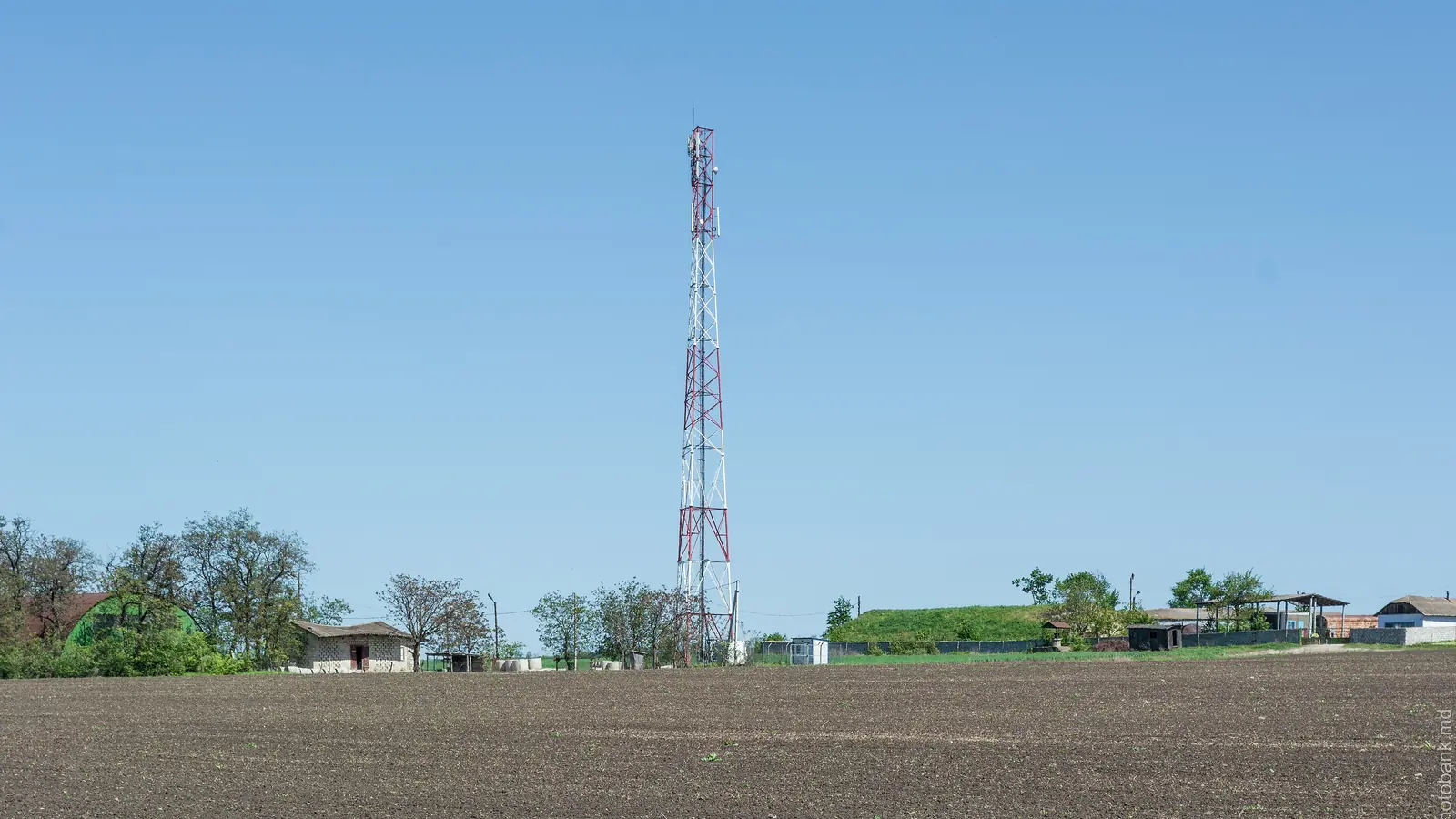

A mobile network's tracking-area assignments affect both device registration and paging traffic. On August 18, D-Wave and NTT DOCOMO announced their second production application for optimizing mobile-network operations. The reported deployment puts quantum optimization into that practical task of managing network signalling.
The companies report a 65.3% reduction in daily peak location-registration signals and a 7.0% reduction in paging signals.
Those are reported deployment outcomes. They do not isolate how much of the improvement came from quantum computing or establish superiority over every classical alternative. Transparent baseline comparisons, operating costs and repeatable measurements would make it easier to judge the benefit behind the reported reductions.