
A quantum algorithm tightens the math on an old route-planning puzzle
The new result improves a seven-year-old bound for finding the shortest round trip. The catch is the kind of memory it assumes.
Reading tools for text size, copying, printing and your reading list
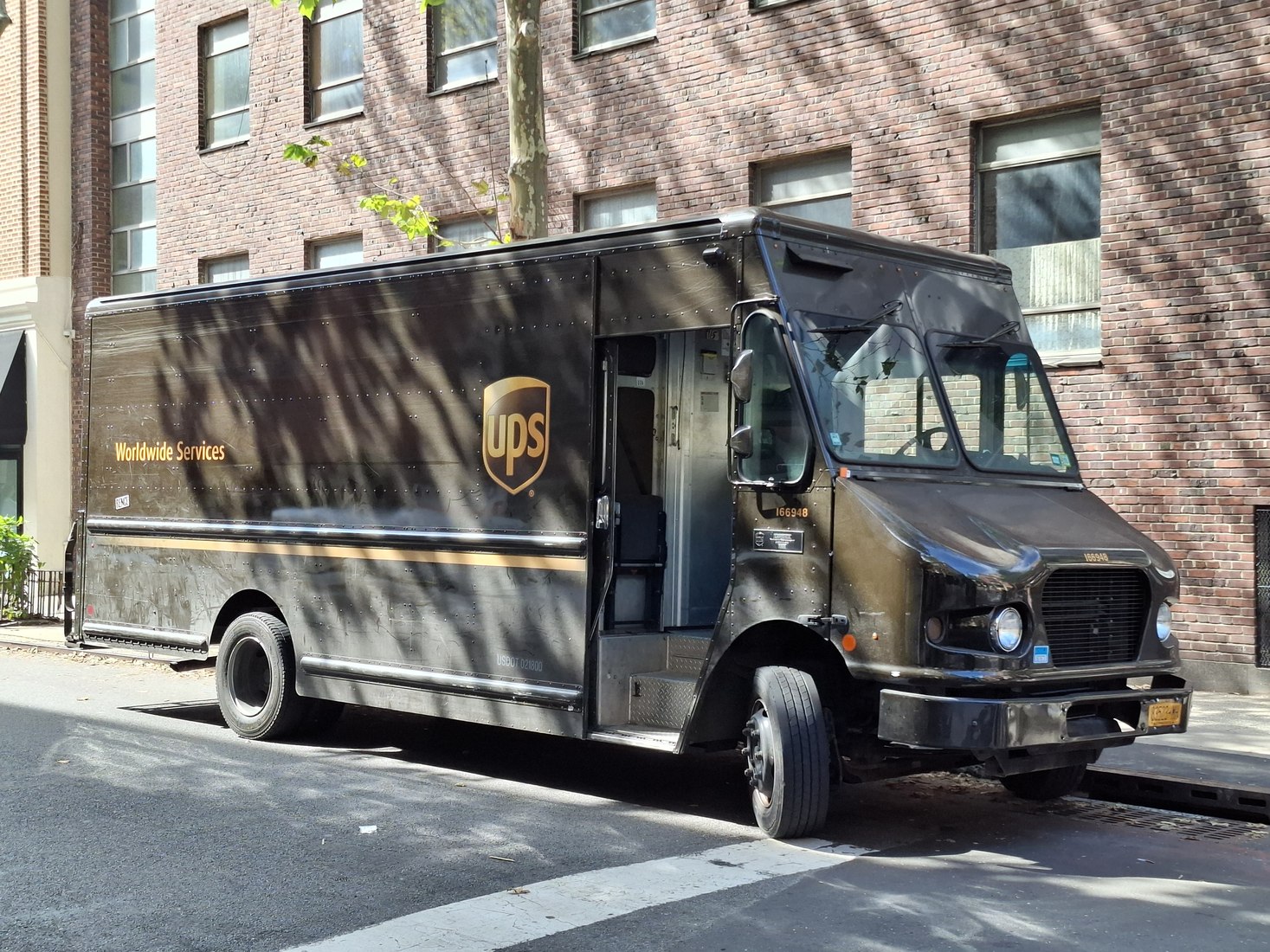
How do you visit every stop exactly once, return to where you started and spend as little as possible getting there? That’s the traveling salesman problem. For the general version, a new preprint from Masayuki Miyamoto at the University of Tsukuba reduces how fast the work grows as you add stops, compared with a quantum algorithm published in 2019. It’s a mathematical result, not an experiment on a quantum computer or a new tool for planning deliveries.[1][2]
A small change compounds
A standard exact classical method for general costs avoids checking every complete route by saving answers to smaller problems. Its leading exponential term is 2 raised to the number of stops. A quantum algorithm by Andris Ambainis and colleagues reduced that base to about 1.7274 in 2019. Miyamoto reports a bound of about 1.70961. At 100 stops, the old exponential term is about 2.8 times the new one. That comparison shows what the change in the base does; it leaves out other factors and doesn’t predict that one program would finish 2.8 times sooner. Roads with special distance rules and problems where you only need a good route rather than the best one are different comparisons.[1][2]
Where the cost went
The new algorithm breaks a candidate tour into four consecutive pieces and uses a carefully chosen collection of subsets to limit which shorter routes it must calculate and store in advance. A quantum search helps find promising combinations without going through all of them individually. The trick cuts the growth rate, but the stored tables still grow exponentially. The analysis charges a single step to retrieve a word even when the quantum computer is working with a combination of possible addresses.[1]
That’s a demanding assumption. The fastest version needs both a large table of precomputed classical data that can be read in this way and writable quantum memory. The paper also calculates versions that use less memory at the cost of more time. Miyamoto discloses using an AI tool to find and tune the numerical parameters and help write the preprint; the paper sets out the mathematical argument for readers to check.[1]
The result moves a theoretical benchmark. A practical test would have to count the time and hardware cost of building the tables, querying them and recovering an answer, then compare that full process with a strong classical solver on the same routes. Until then, the lower number describes the algorithm’s growth under its assumptions, not a faster delivery round.[1][2]